Functional Testing
Functional Testing
One-stop SMT assembly
Our factories provide high -quality SMT assembly services for medical, aerospace, national defense industry, automobiles, communications and consumer electronics.

homeHome > PCB Assembly > Functional Testing

Functional Testing


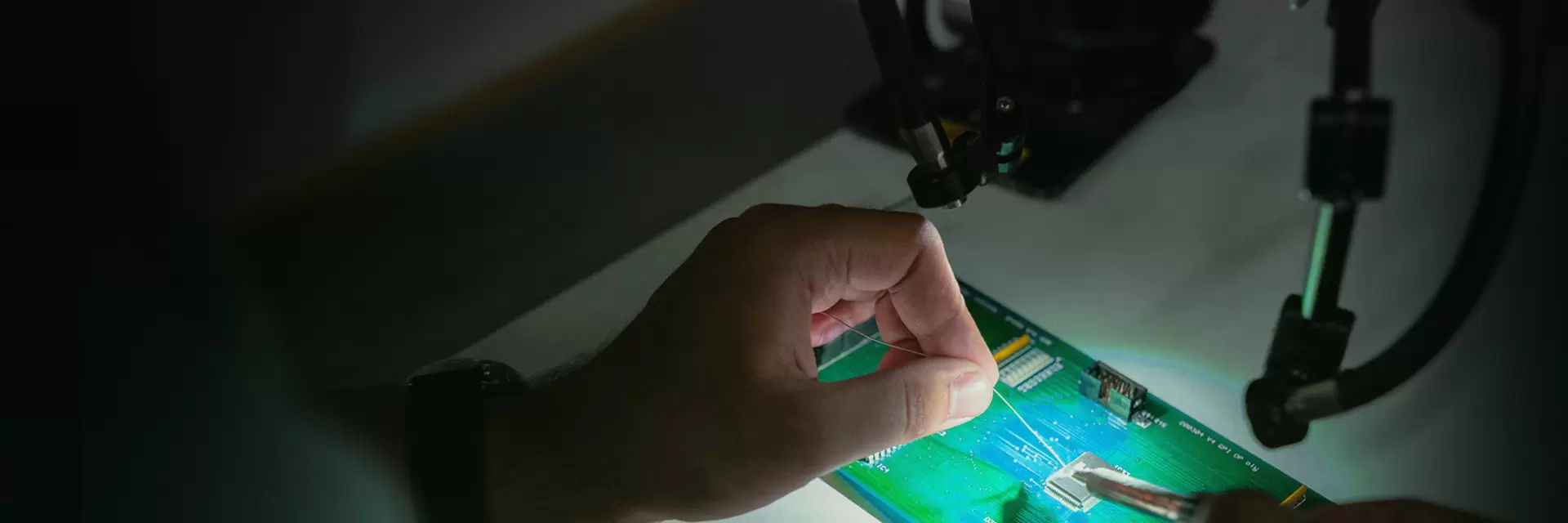
PCBA functional testing is the final verification step for the PCBA, to ensure they perform correctly in a simulated environment. This involves set up and applying power, stimulate the board and measuring its outputs, to confirm they work as requirements and all components work together correctly. 


This step is crucial for functional verification, exposing errors, so the manufacturer could react accordingly, such as rework, repair and replace defective components. 


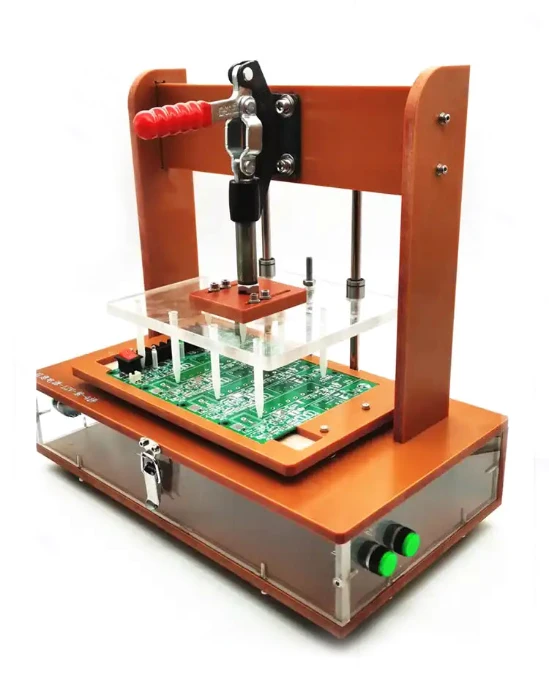
When go for mass production, we usually customize testing fixtures to assist this process, to accumulate the operation.


If you need this service, please consider to tech us how to operate, such as power on with certain current&voltage(such as 5V/1A), how to operate and measure the outputs.


SMT Assembly Process Step
Solder Paste Application
Stencil printing deposits precise amounts of solder paste onto designated PCB contact pads.
01
Component Placement
Automated pick-and-place machines retrieve surface-mount devices (SMDs) and accurately position them onto the solder paste-coated pads.
02
Reflow Soldering:
Boards pass through a controlled thermal oven, melting the solder paste to form permanent electrical and mechanical connections.
03
Automated Optical Inspection (AOI):
Vision systems verify component presence, placement accuracy, polarity, and basic solder joint quality post-reflow.
04
Through-Hole Component Insertion
Remaining non-SMD parts (connectors, large capacitors) are manually or automatically inserted into plated through-holes.
05
Wave Soldering (For Mixed Technology):
Boards with through-hole components pass over a molten solder wave, forming connections on the underside.
06
Conformal Coating (If Required):
Protective chemical layer applied to shield assembled boards from environmental factors (moisture, dust, chemicals).
07
Secondary Reflow (For Double-Sided Assembly):
Process repeats (steps 1-4) for components on the board's opposite side, using higher-temperature solder or adhesive.
08
Advanced Inspection & Testing:

X-ray Inspection (AXI): Examines hidden connections (BGAs, QFNs) for voids, bridging, or alignment defects.

In-Circuit Testing (ICT): Electrical verification of component functionality and circuit performance.

Functional Testing (FCT): Validates the fully assembled board against operational specifications.

09
Cleaning & Final Assembly:
Flux residues removed (if needed); boards undergo final integration (housing, connectors) in a controlled environment.
10
Rework & Repair:
Dedicated stations (BGA rework, SMT IR) correct identified defects for component replacement or solder joint remediation.
11