Conventional PCB for Scalable and Reliable Electronics Production
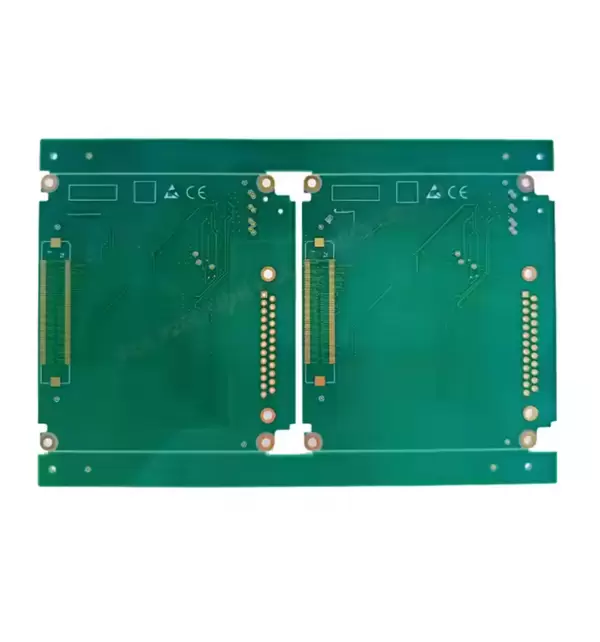
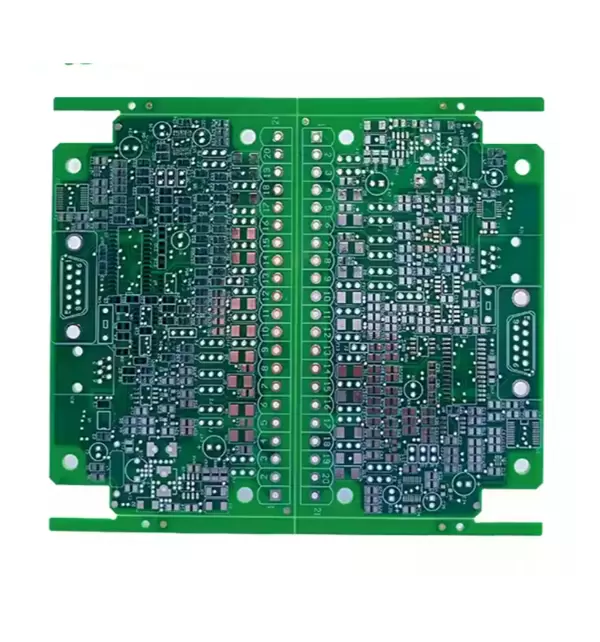
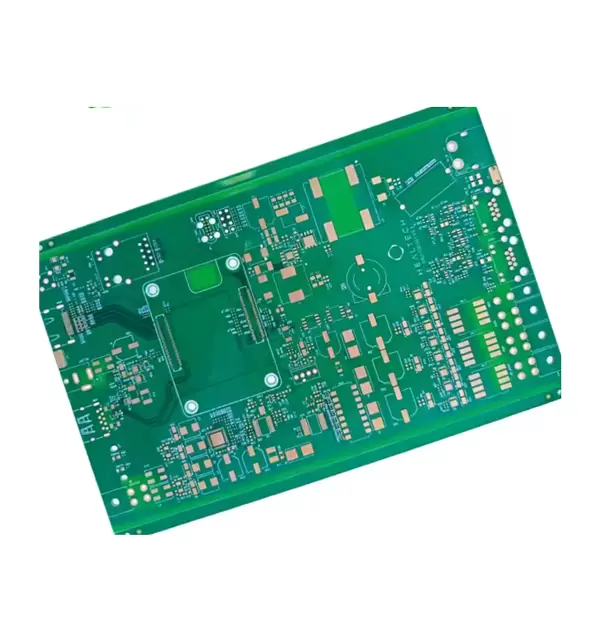
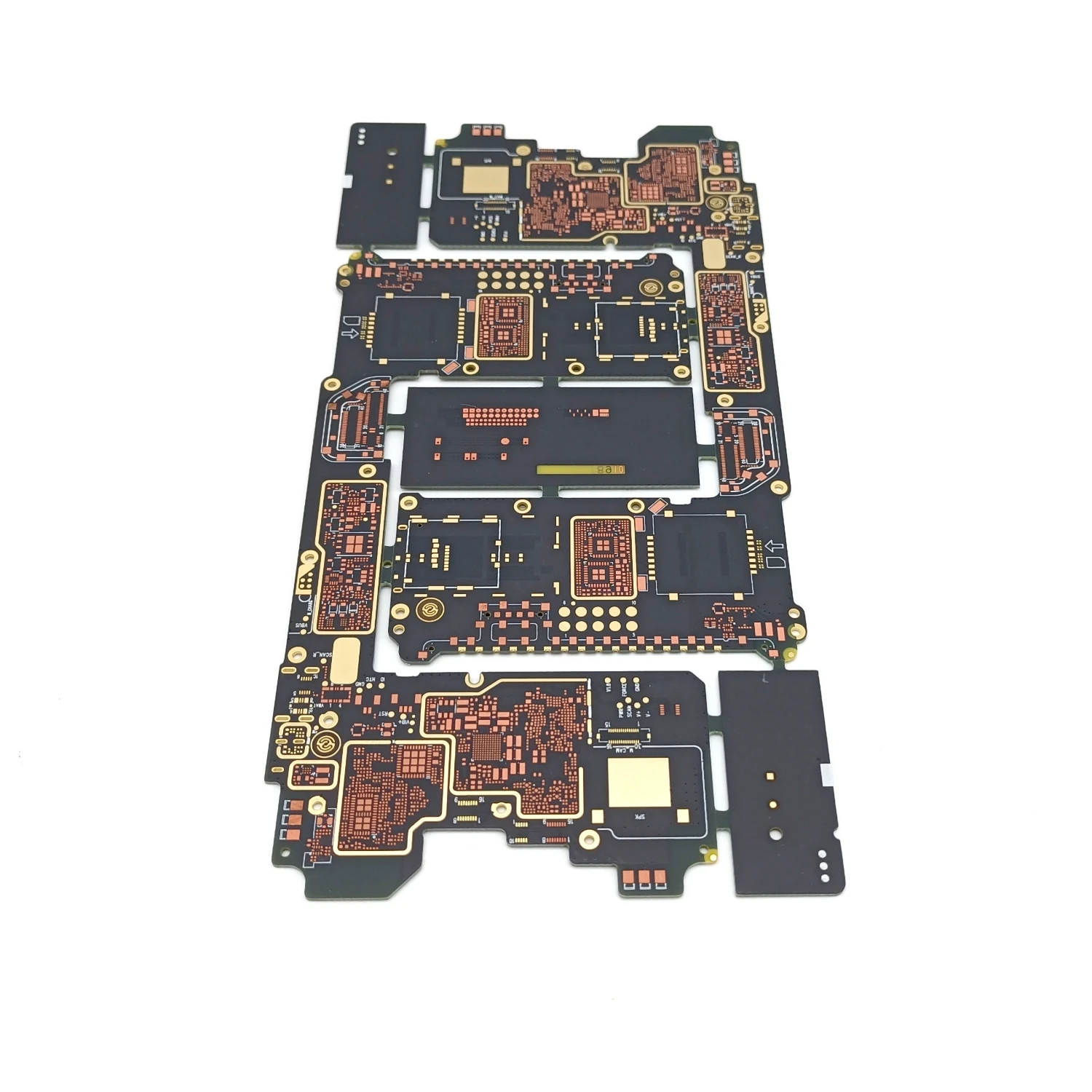
When a product moves beyond prototyping, priorities shift quickly. Cost needs to stay under control, supply has to remain stable, and every batch must perform the same way as the last. This is exactly where a Conventional PCB, or Rigid PCB, proves its value.
Instead of relying on complex structures, it offers a straightforward and repeatable manufacturing path. That simplicity is what allows it to support large-scale production across consumer electronics, industrial systems, and control equipment without introducing unnecessary risk.
Built Around Cost Stability, Not Just Low Pricing
In real projects, the challenge is rarely about finding the lowest price—it’s about keeping pricing predictable over time. A Rigid PCB benefits from widely available materials and a highly optimized production process, which makes long-term cost control much easier.
Because the process is mature, yield rates remain stable even as volume increases. That directly reduces waste, rework, and unexpected cost fluctuations. For products with ongoing demand, this consistency often matters more than chasing marginal savings.
A Manufacturing Process That Keeps Projects Moving
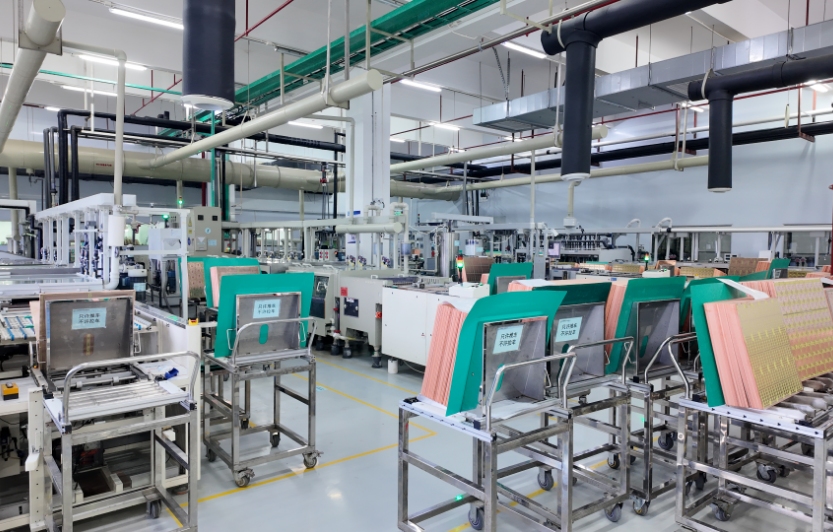
One reason Conventional PCB remains the industry standard is the level of familiarity across the entire supply chain. From fabrication to assembly, every step follows a well-established process.
This reduces friction when moving from design to production. Engineers don’t need to adjust for unusual structures, and manufacturers don’t need to introduce additional process controls. The result is a smoother transition into production, with fewer delays and fewer unknowns.
Flexible Material Choices Within a Stable Framework
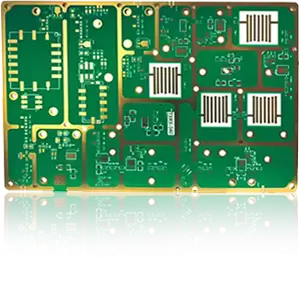
Even within a standardized structure, a Rigid PCB can adapt to different application needs through material selection.
●FR-4 is widely used for general-purpose electronics
●High-Tg materials support higher operating temperatures
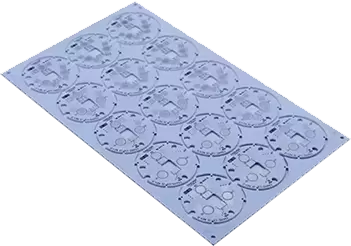
●Aluminum-based boards improve heat dissipation in power applications
This allows designers to meet performance requirements without stepping outside a proven manufacturing approach.
Designed for Efficient Assembly at Scale
In production environments, assembly efficiency has a direct impact on overall cost and delivery timelines. A Rigid PCB provides the mechanical stability needed for automated processes, especially in high-speed SMT lines.
Flat surfaces, consistent thickness, and reliable finishes all contribute to smoother component placement and soldering. Fewer alignment issues and more consistent joints mean less rework and better throughput across batches.
Consistency That Supports Long-Term Supply
Once a product is in production, consistency becomes non-negotiable. A Conventional PCB supports this through repeatable processes and controlled manufacturing conditions.
Instead of variation between batches, the board maintains stable electrical and mechanical performance over time. This is particularly important for products that require continuous production or long lifecycle support.
Manufacturing Capability Overview
●Materials: FR-4, CEM-1, CEM-3, Aluminum
●Layers: 1–36 layers
●Thickness: 0.4mm – 3.6mm
●Copper: 0.5oz – 6oz
●Min. trace/space: 0.15mm / 0.15mm
●Min. hole size: 0.2mm – 0.30mm
●Surface finish: HASL, ENIG, OSP, Immersion Silver, Immersion Tin
A Stable Foundation for Scalable Products
A Rigid PCB doesn’t try to solve every design challenge. What it does is provide a stable, cost-effective foundation that supports production at scale.
For many products, that balance—between performance, cost, and manufacturability—is exactly what keeps projects moving forward without disruption.

 en
en

 WhatsApp