PCB Assembly for Industrial Control
Industrial control boards are not something you replace often. Once they go into a machine or a system, they are expected to keep running, sometimes for years. Because of that, most of the real problems don’t show up at the beginning. They show up later, after the board has been running under load for a while.
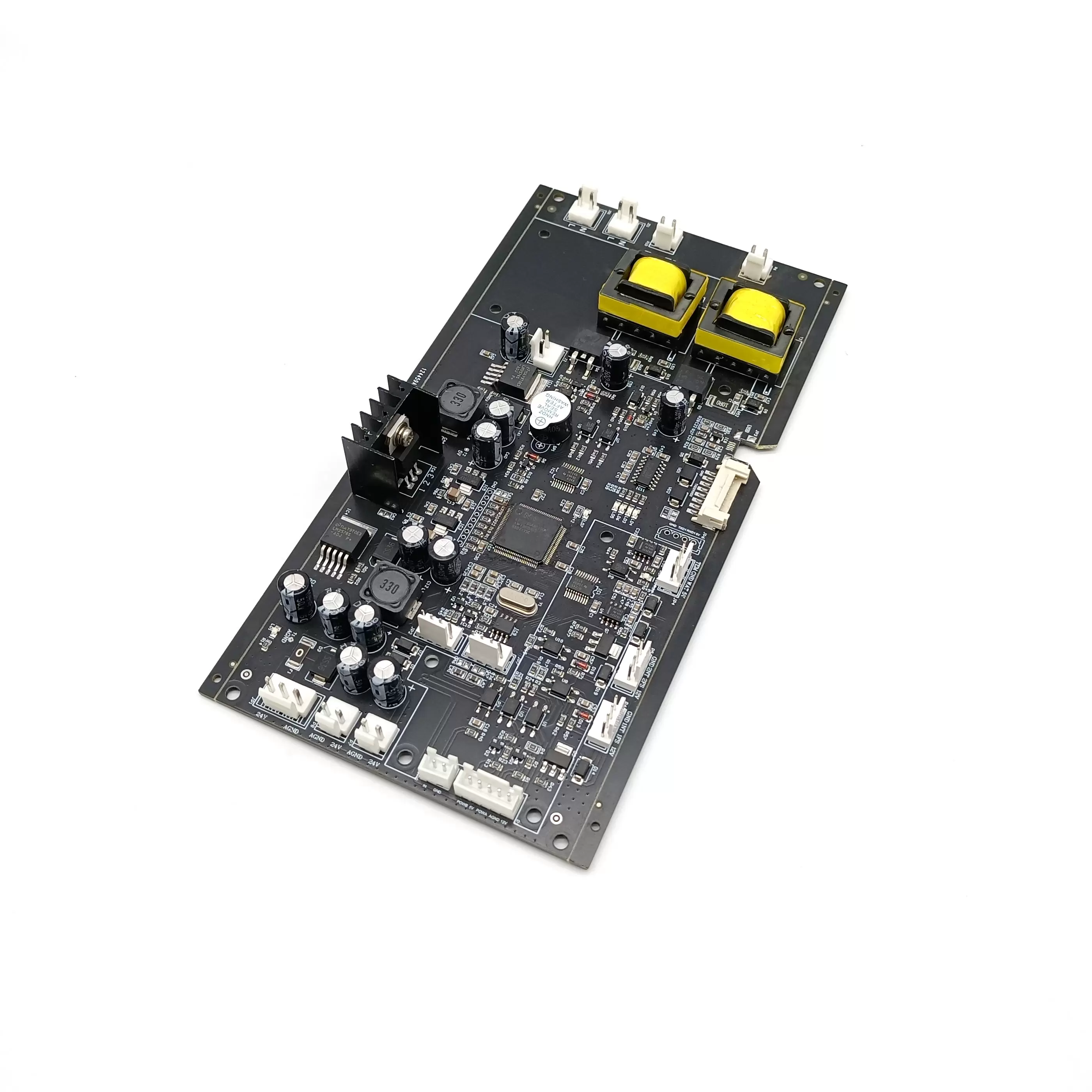
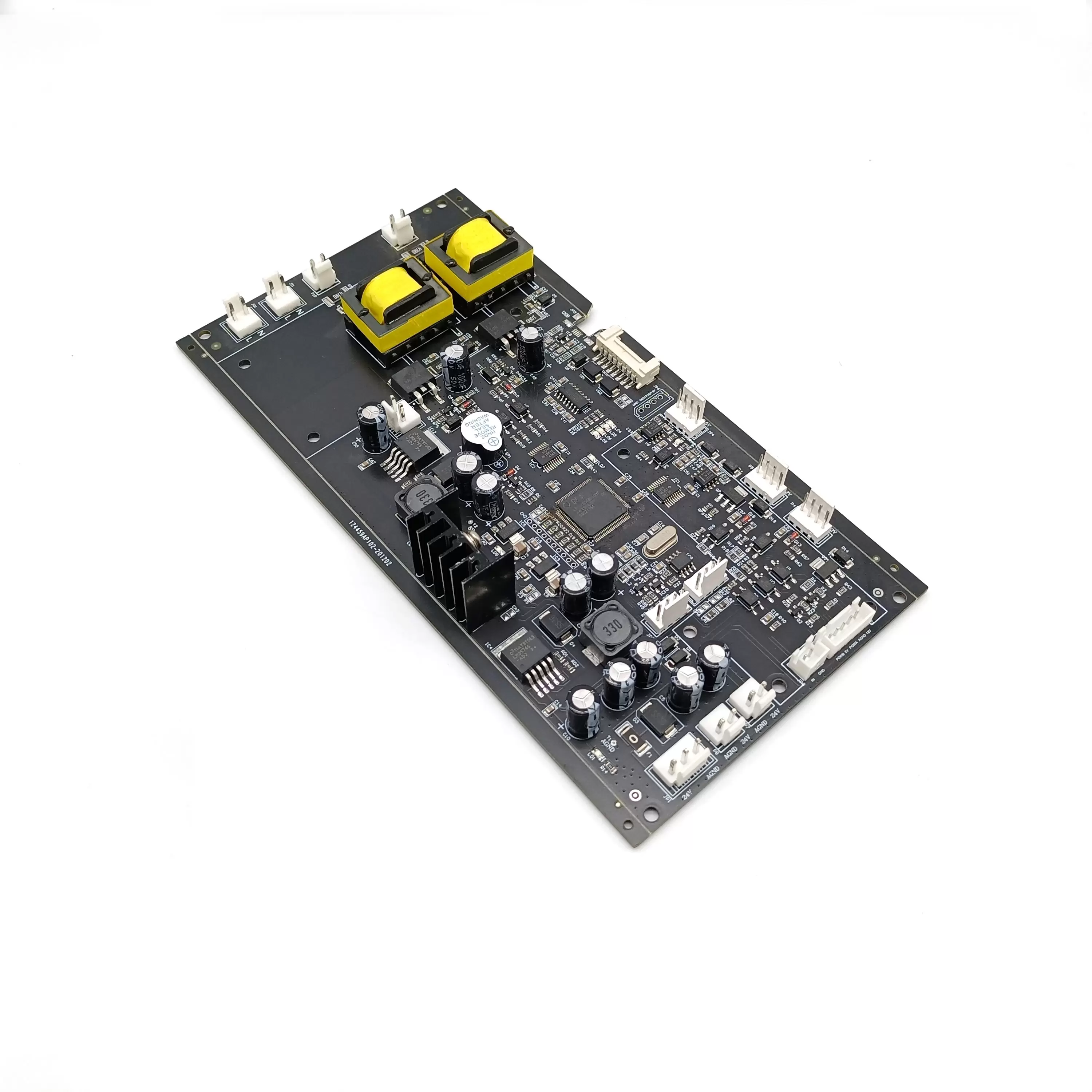
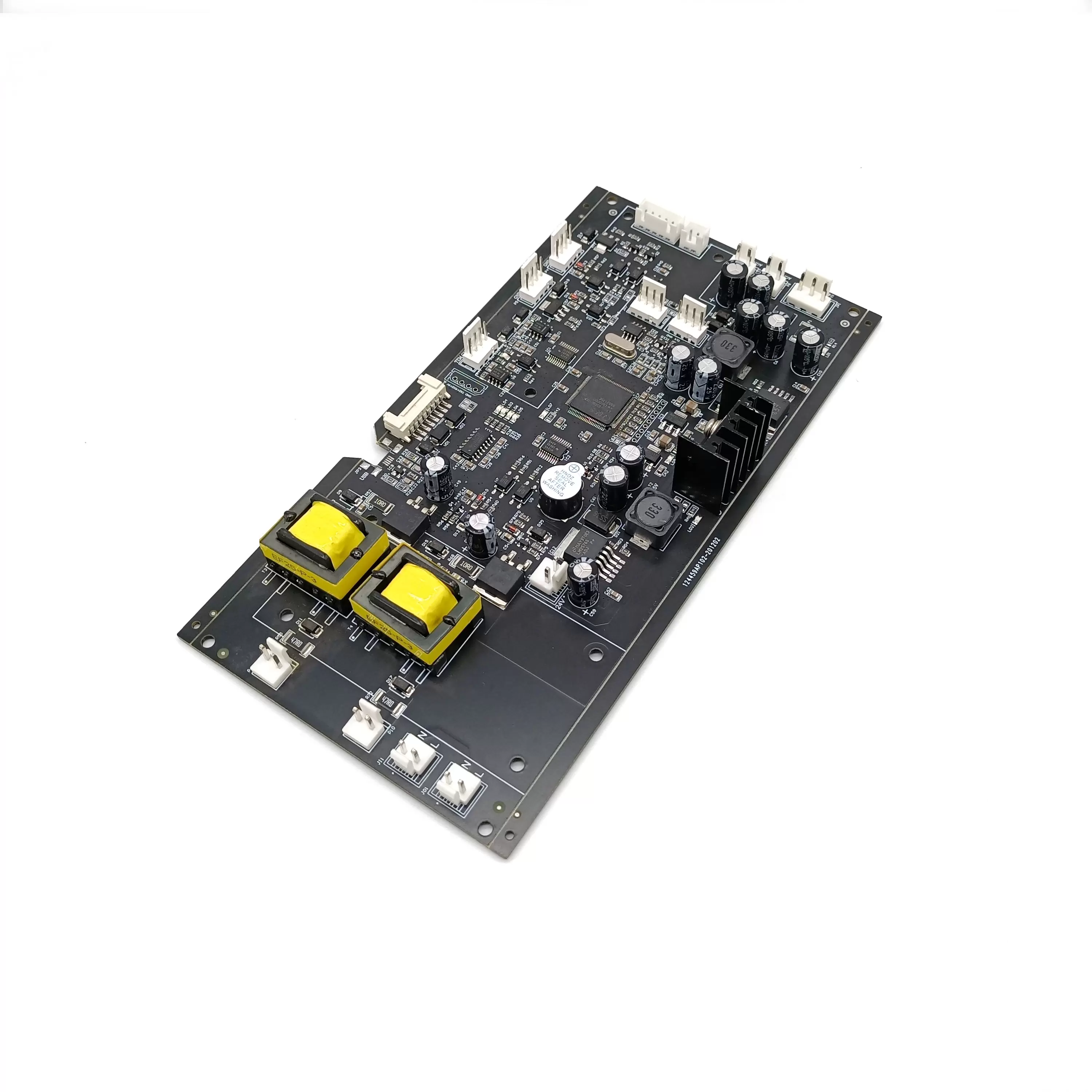
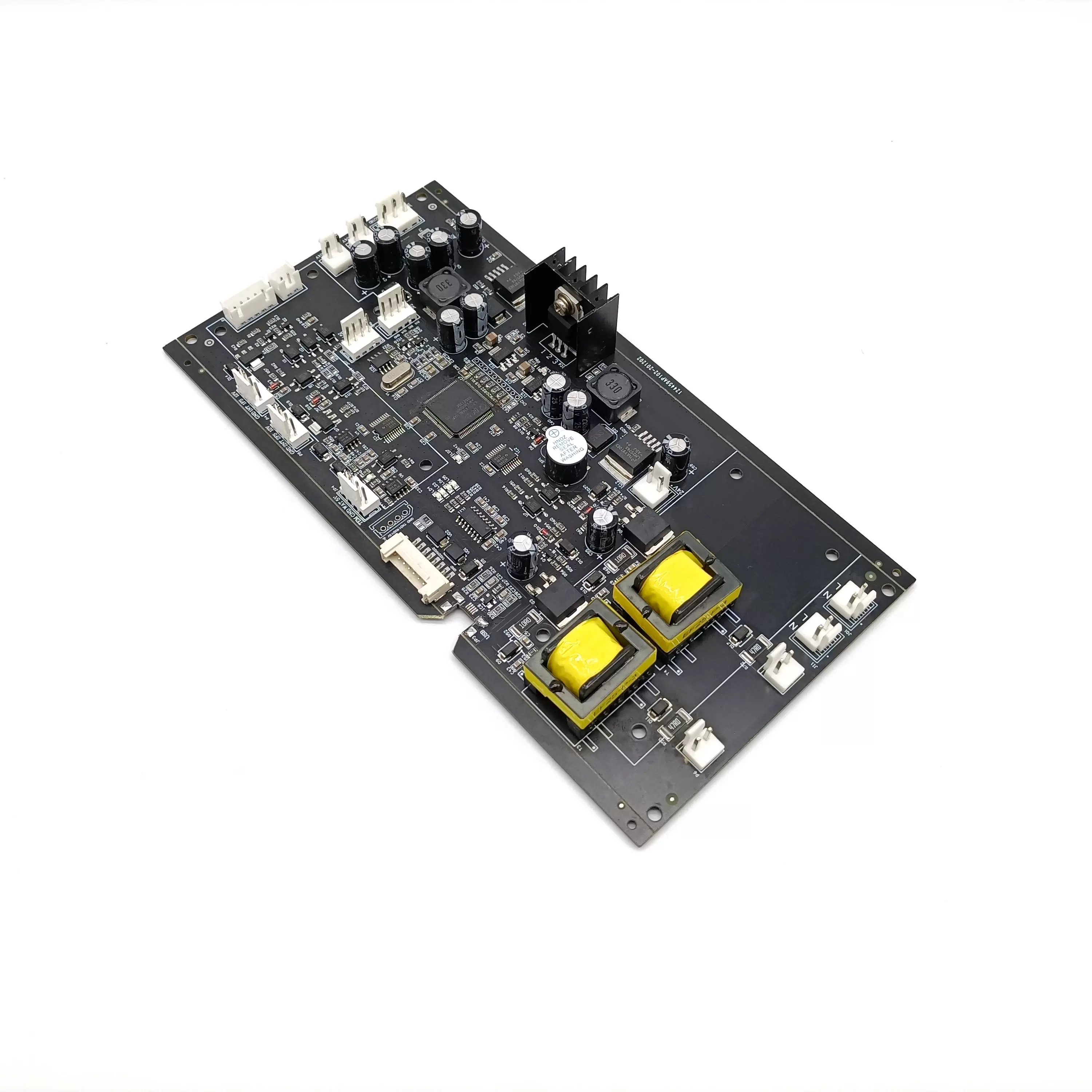
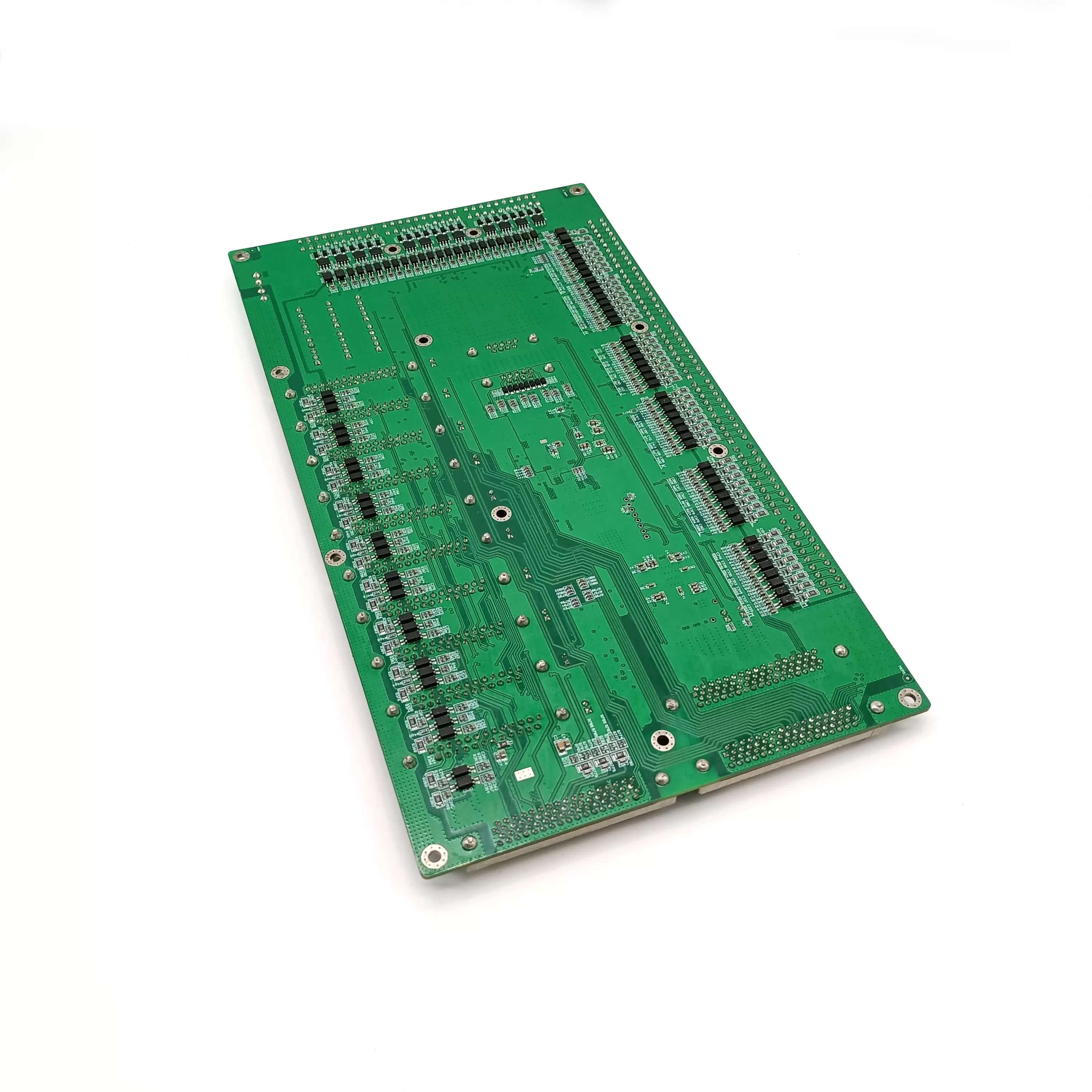
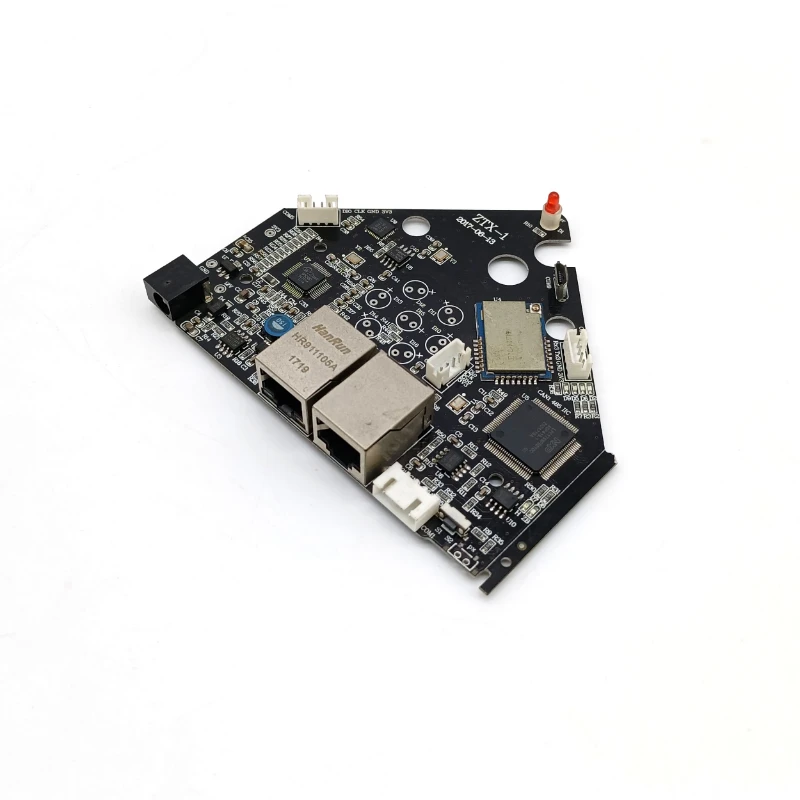
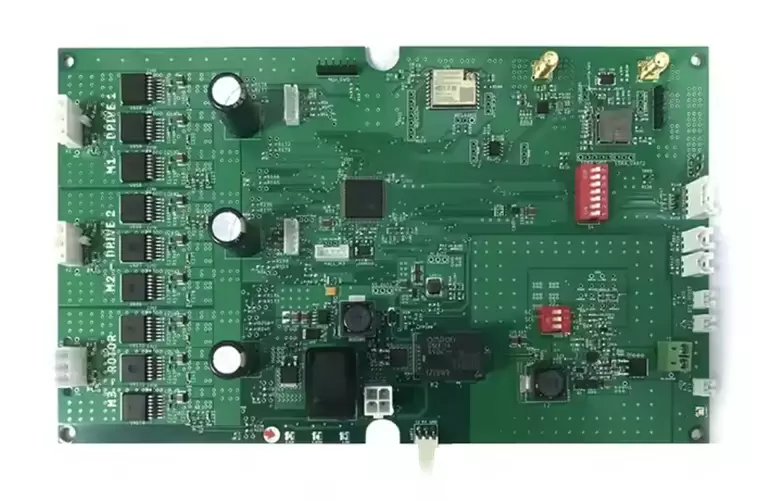
When dealing with a PCB Assembly for Industrial Control, the focus is usually not on pushing specs to the limit. It’s more about whether the board can stay stable over time, especially in environments where there is electrical noise, temperature variation, and continuous operation.
A lot of projects look fine during prototyping. Everything powers on, signals look normal, no obvious issues. But once production starts, or once the boards are installed in actual equipment, small details start to matter. Solder joints, material behavior, and consistency between batches — these are the things that tend to make the difference.
Materials and structure: keeping things predictable
This board uses FR-4 TG130. It’s a common material in industrial electronics. Not the highest grade available, but widely used and well understood.
In industrial control systems, people usually prefer materials that behave in a predictable way over time. Extreme specs don’t always help if they come with higher variability. TG130 gives a stable base for long-term use under normal industrial temperature conditions.
The copper thickness is 1OZ. For most control circuits, that’s enough. What matters more is not the maximum current it can handle, but how stable the electrical performance remains during continuous operation. Sudden changes, even small ones, can affect the whole system.
The board is 2 layers. Simple structure, easier to manufacture, and easier to keep consistent when moving into volume production. For many control designs, there is no real need to go more complex than that.
Surface finish: practical choice over premium option
Instead of ENIG or other higher-cost finishes, this uses lead-free HASL.
In industrial control applications, the requirement is usually straightforward. The solder joints need to be strong, durable, and able to handle standard components without issues. Ultra-fine pitch is not always necessary.
HASL works well in this context. It’s not the most precise finish, but it is reliable and cost-effective, especially when production volume increases.
For many customers, this balance makes more sense. There’s no need to pay extra for something the design doesn’t actually require.
Interference is part of the environment.
Industrial systems are rarely “clean” electrically. You have motors, switching power supplies,and relays — all of these introduce noise into the system.
Some of this is handled at the design stage, but assembly also plays a role. Poor soldering, inconsistent grounding, or variation between boards can make interference issues worse.
A PCB Assembly for Industrial Control needs to hold up in this kind of environment. That means connections need to stay stable, grounding needs to be reliable, and different batches should behave the same way.
These are not things you always notice during initial testing, but they tend to show up once the system is deployed.
Where these boards are typically used
You’ll see this type of board in quite a few places:
PLC control systems
Motor control units
Automation equipment
Industrial power control modules
Different applications, different designs, but the expectation is similar. The board should work, and keep working, without needing attention.
In many cases, downtime costs more than the board itself. That’s why reliability usually comes first.
Scaling up is where differences appear.
Prototypes are one thing. Mass production is another.
It’s common to see a design work perfectly in small quantities, and then run into issues when production scales. Not always big failures, sometimes just small inconsistencies that make the system less stable.
For industrial customers, one of the main concerns is consistency:
Will this batch behave the same as the last one?
Will there be variation over time?
Because of that, the focus during production is less about speed and more about keeping the process under control.
Stable assembly conditions, repeatable processes, and clear checks at each step — these are what help reduce variation.
Quality checks: simple but necessary
The testing process for this type of board is not overly complicated, but it needs to be done properly.
Typical checks include:
AOI to look at solder joints and placement
Basic functional testing to confirm the board works as expected
Final inspection before shipment
These steps are standard, but skipping them usually leads to problems later. Industrial boards are expected to run for long periods, so catching issues early matters.
If a project requires additional testing, that can be discussed, but the basics are always there.
Not every project is the same
Industrial control systems vary a lot. Some boards handle higher power, some are more compact, and others have multiple interfaces or specific layout requirements.
Because of that, a PCB Assembly for Industrial Control is usually not fixed. Materials, surface finish, and even parts of the assembly process can be adjusted depending on what the project needs.
It’s easier to make these decisions early, rather than changing things later when production has already started.
If there are Gerber files or even just a basic idea of the project, it’s usually enough to start a discussion and identify potential issues ahead of time.
For industrial control boards, stability tends to matter more than anything else. Once the board is in place, there is not much room for adjustment, so it makes sense to get things right at the beginning.
Most of the time, problems are not caused by major mistakes, but by small details that were overlooked early on.
If you are working on a project that involves a PCB Assembly for Industrial Control, reviewing the design and the production approach upfront can save quite a bit of trouble later.
You can share your files or requirements for a quick check. Even a short review often helps catch things that are easy to miss at an early stage.

 en
en

 WhatsApp