PCB Assembly for LED Carrier
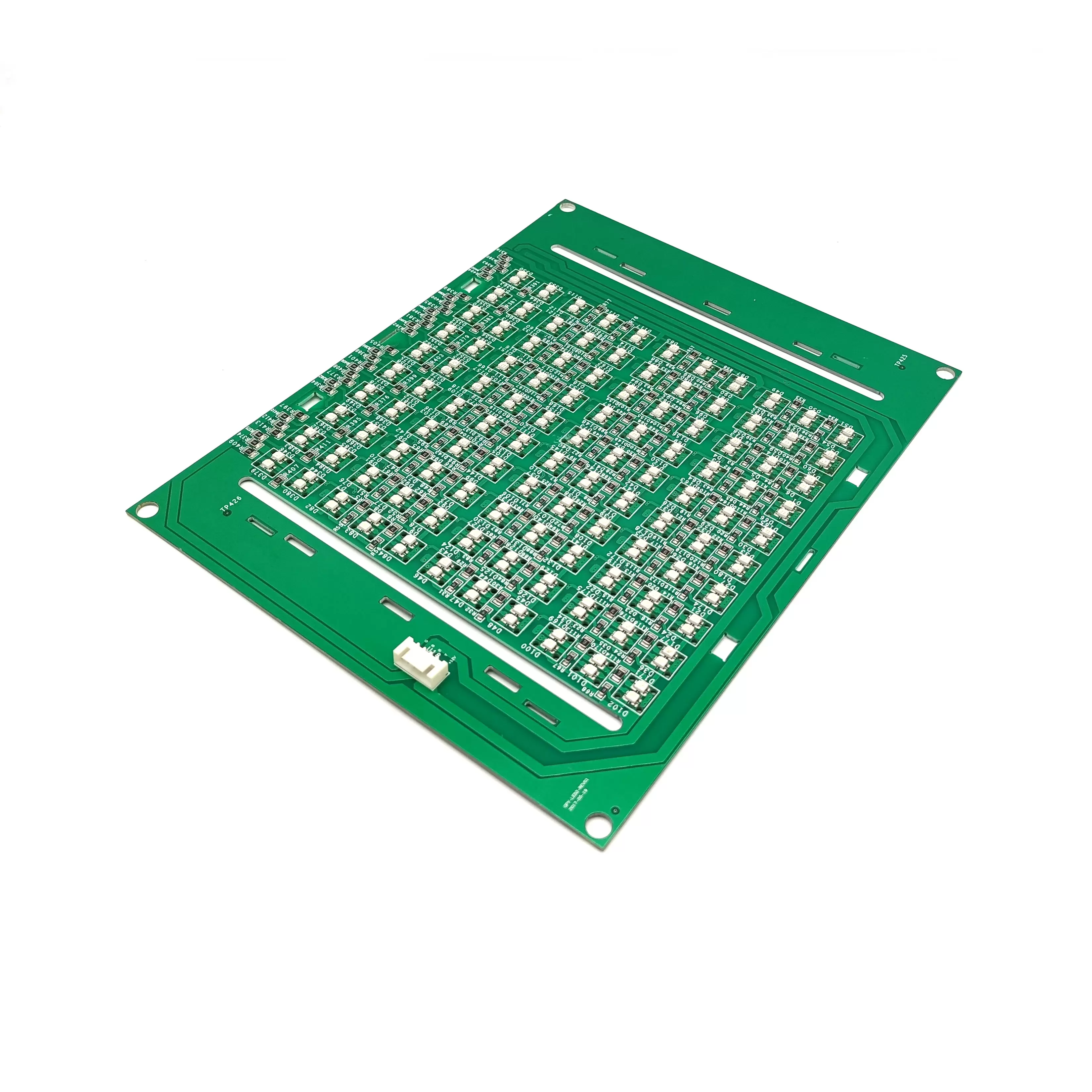
In many real-world projects, issues such as uneven brightness, localized overheating, or early lumen degradation are not caused by the LED chips themselves, but by limitations in the PCB assembly stage. This makes PCB Assembly for LED Carrier less about basic manufacturing and more about ensuring long-term operational stability.
Why LED Carrier Assembly Is Different from Standard PCB Assembly
Unlike conventional circuit boards, LED carriers operate under continuous electrical load and thermal stress. They are expected to maintain stable performance over extended periods, often in enclosed or high-temperature environments.
When assembly processes are not properly controlled, several issues tend to appear:
●Noticeable brightness variation across LED arrays
●Heat concentration in specific regions of the board
●Gradual solder joint fatigue due to thermal cycling
●Inconsistent optical performance despite functional components
These are not isolated defects, but indicators of inconsistency in assembly quality. For LED carrier applications, reliability is defined by how uniformly the entire board performs, not just whether individual joints pass inspection.
Thermal Behavior Starts at Assembly, Not Just Design
Thermal management is often discussed at the design level—material selection, copper thickness, or layout optimization. However, the assembly process can significantly influence how effectively those design features perform.
For example, during reflow soldering, uneven temperature distribution may lead to incomplete wetting or micro-voids within solder joints. While these imperfections might pass initial inspection, they can become points of thermal resistance over time, leading to localized heating.
In LED applications, even small thermal imbalances can affect light output and accelerate degradation. This is why assembly control must take into account:
●Uniformity of solder joints across high-density LED layouts
●Heat distribution during multi-component reflow processes
●Stability of thermal paths between components and substrate
In practice, the effectiveness of thermal design is only as good as its execution during assembly.
Consistency Control: The Hidden Factor Behind Light Quality
From an end-user perspective, the PCB is invisible—what matters is the quality of light. That quality depends heavily on whether each LED operates under nearly identical electrical and thermal conditions.
Achieving this level of consistency requires more than standard assembly tolerance. In mass production, even small variations can lead to:
●Visible differences in brightness between modules
●Color temperature inconsistency across batches
●Irregular response under dynamic lighting conditions
These issues are difficult to detect through basic inspection, but become obvious in final applications. Therefore, PCB Assembly for LED Carrier must focus on process stability and repeatability, ensuring that each board behaves predictably in real use.
From Process Capability to Production Stability
For customers, the real concern is not how a single prototype performs, but whether the same level of quality can be maintained across volume production.
This depends on how well the entire assembly process is controlled, rather than any single step. Critical aspects include:
●Reflow profiles tailored to LED component characteristics
●Temperature consistency across different production batches
●Integration of inspection and functional verification
●Process feedback mechanisms for continuous adjustment
These capabilities are not always visible in specifications, but they directly impact delivery reliability and long-term product performance.
Application-Driven Assembly Approach
LED carrier PCBs are used across a wide range of applications, each with different performance priorities.
In industrial lighting, long-term thermal stability is essential.
In automotive systems, resistance to vibration and temperature fluctuation becomes critical.
In display backlighting, uniformity and response consistency are key concerns.
Because of these differences, PCB assembly cannot rely on a single standardized approach. Instead, process parameters often need to be adjusted according to the specific application scenario. This flexibility is what separates basic manufacturing from application-oriented engineering support.
PCB Assembly for LED Carrier is not simply about assembling a functional board. It is about ensuring that the entire LED system delivers stable, uniform, and reliable performance under real operating conditions.
When assembly processes are aligned with both design intent and application requirements, the result is not only a working product, but a consistent and durable lighting solution. Without that alignment, even well-designed systems may fail to perform as expected over time.

 en
en





 WhatsApp