PCB Assembly for Power Regulation Controller
Power regulation controllers are responsible for managing how energy is distributed, adjusted, and stabilized within an electronic system. Unlike measurement or switching circuits, these boards operate at the intersection of control signals and power delivery, where timing, coordination, and response behavior all matter.
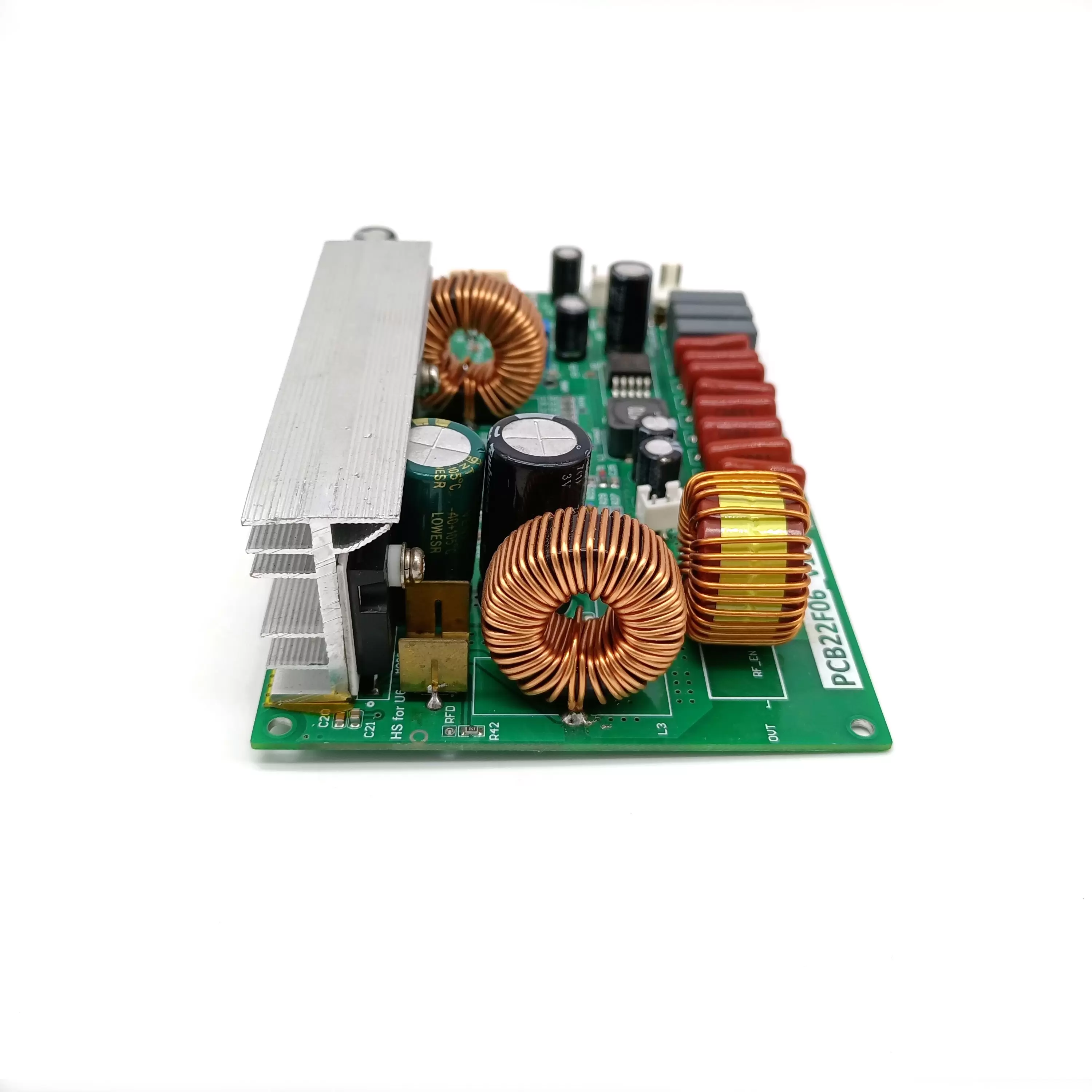
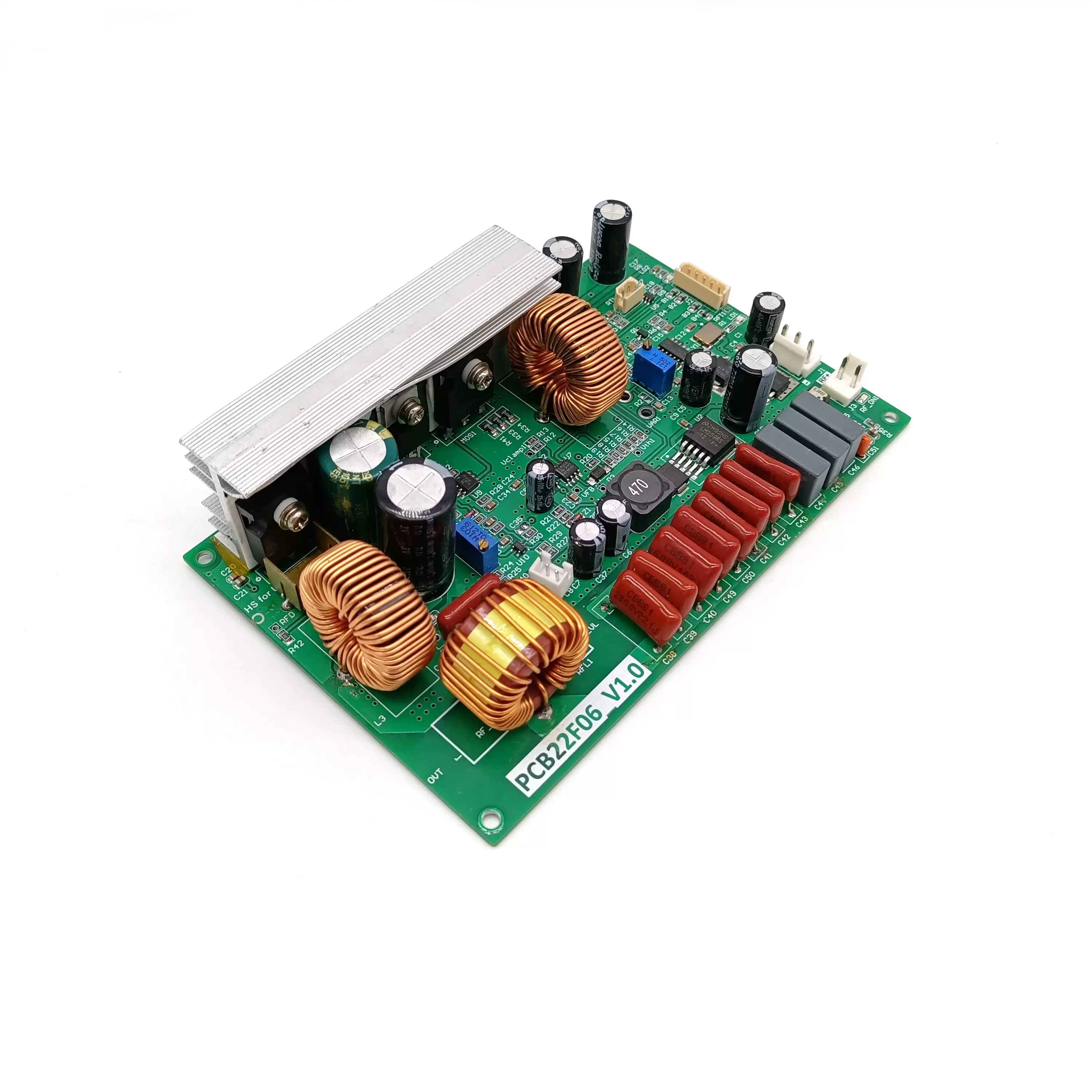
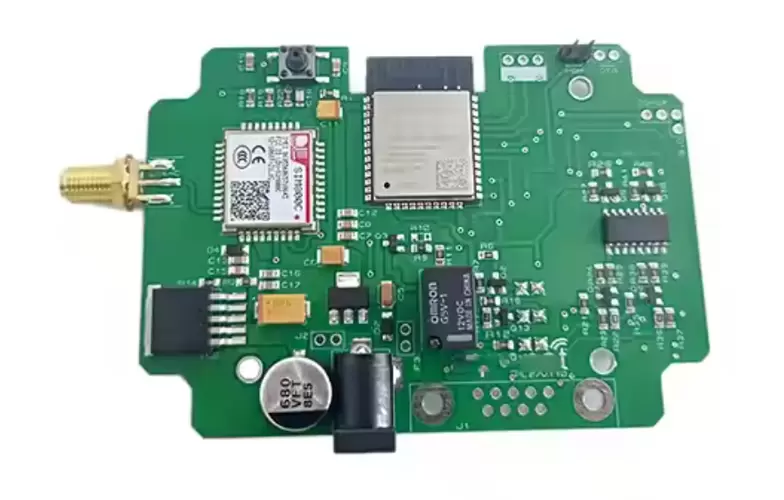
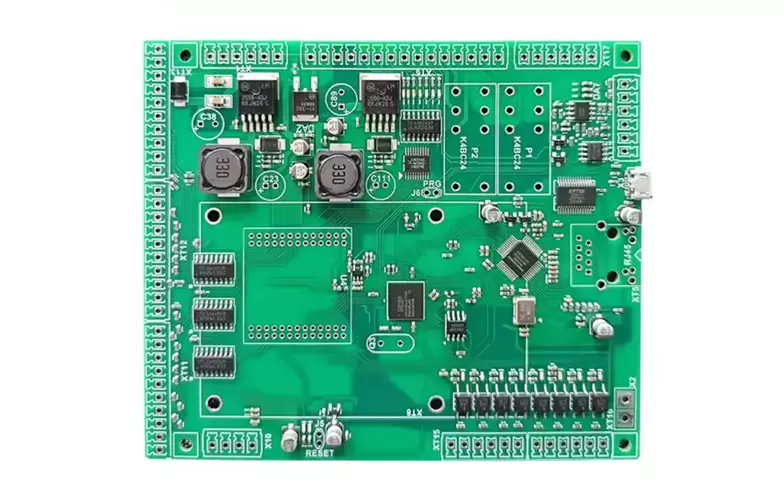
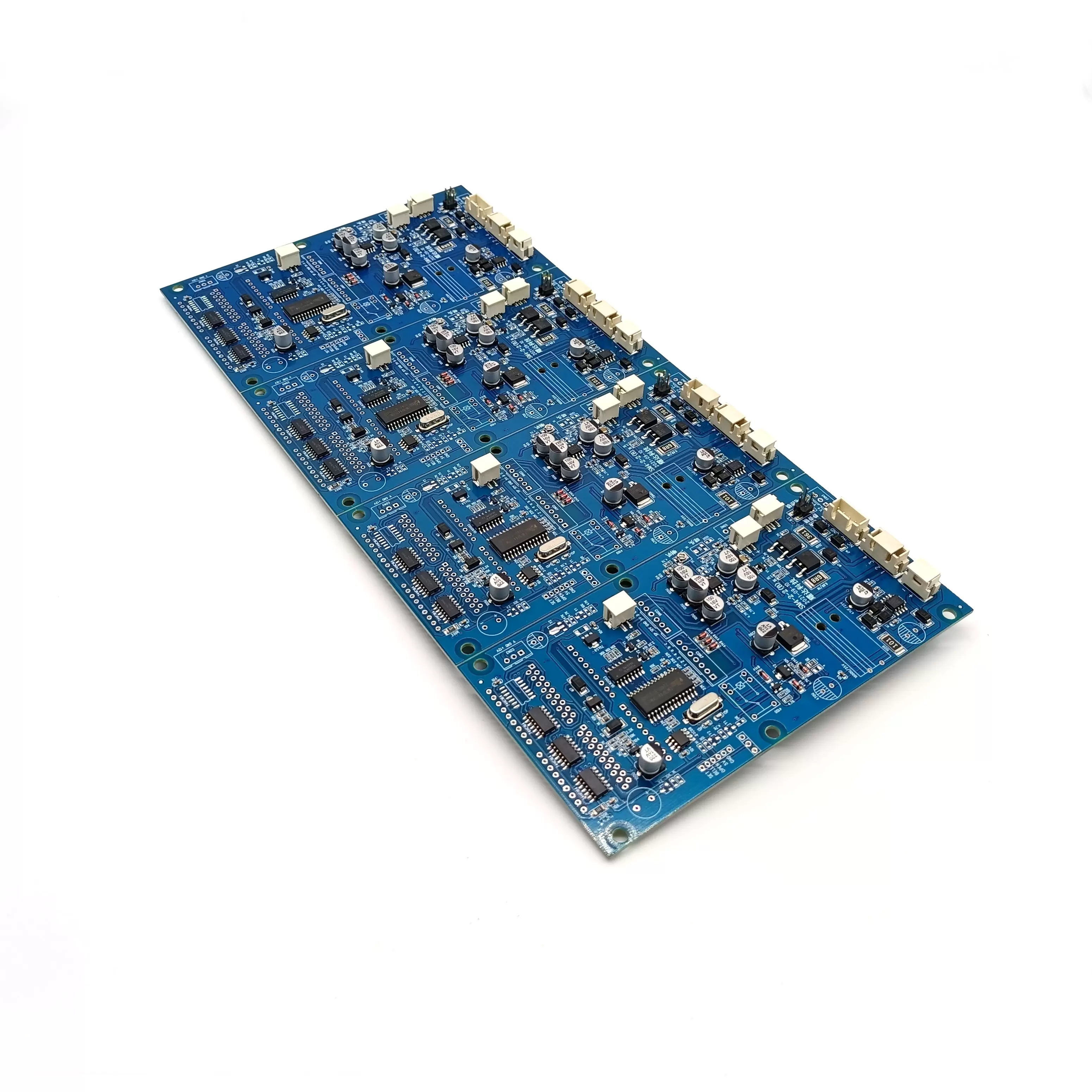
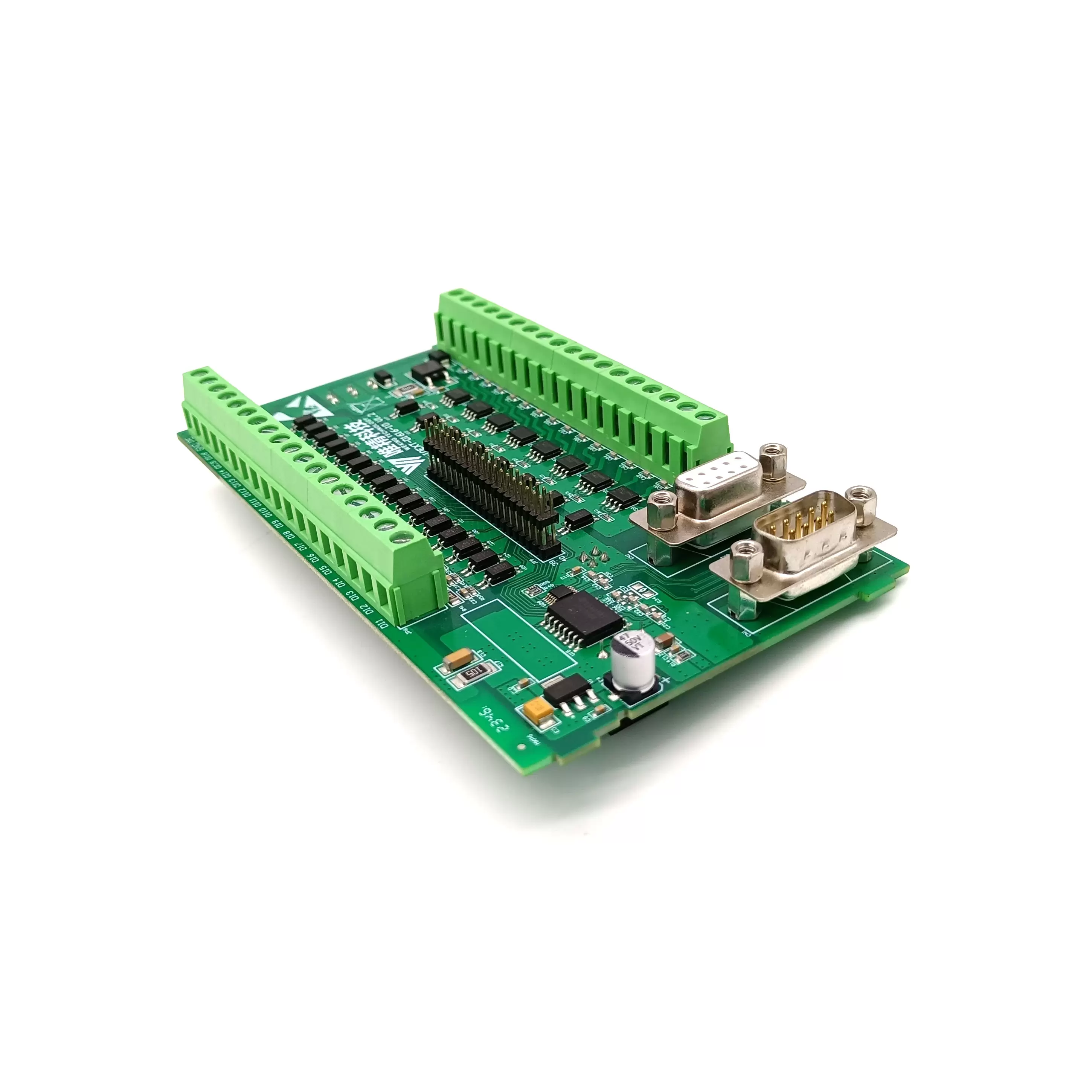
PCB Assembly for Power Regulation Controller is developed to support this interaction between low-level control logic and higher power paths. The goal is to ensure that regulation commands are translated into smooth and controlled electrical output, without introducing instability or delay.
At BENLIDA, the assembly process is aligned with the need for coordinated performance, where both signal integrity and power handling must work together as part of a unified system.
Coordination Between Control and Power
In power regulation systems, the PCB is not just a carrier of components. It acts as the medium through which control decisions are executed in real time.
Control ICs, feedback loops, and power components must interact seamlessly. If there is any inconsistency in assembly, such as variation in solder quality or component alignment, it can affect how quickly and accurately the system responds to changes.
The assembly process, therefore, focuses on preserving this coordination, ensuring that control signals are transmitted cleanly and that power adjustments follow without disruption.
Signal Integrity in Regulation Circuits
While power handling is important, the accuracy of control signals is equally critical. Regulation depends on feedback, and feedback depends on stable signal transmission.
Noise, interference, or minor inconsistencies in the circuit can influence how the system interprets its operating conditions. Over time, this may lead to inefficient regulation or unstable output behavior.
To minimize these risks, careful attention is given during assembly to maintain clean signal paths and consistent electrical characteristics across the board.
Power Path Stability
Another important aspect of power regulation PCBs is the stability of the power path itself. These circuits often deal with varying current levels, which can introduce localized stress if not properly managed.
The assembly approach ensures that connections along the power path remain reliable under load changes. Uniform soldering and controlled processing help prevent weak points that could affect performance during operation.
This allows the board to maintain stable output even as system demands fluctuate.
Assembly Consistency and System Behavior
For power regulation controllers, consistency is not just about product quality — it directly affects how the entire system behaves.
If different boards respond differently under the same conditions, it becomes difficult to predict system performance. This is especially important in applications where multiple units are deployed or where precise control is required.
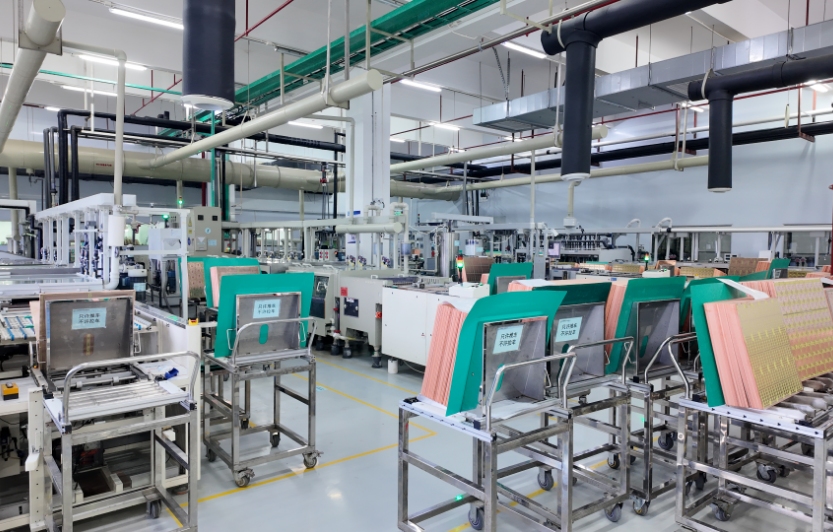
BENLIDA emphasizes repeatable assembly processes to ensure that each board delivers the same response characteristics, supporting stable and predictable system operation.
Practical Application Value
In real-world use, a well-assembled power regulation controller PCB contributes to smoother system performance. Output remains controlled, transitions are stable, and the system responds as expected under varying conditions.
This reduces the need for additional tuning or correction at the system level, allowing manufacturers to achieve more reliable performance with less effort.
Why BENLIDA
BENLIDA approaches power regulation PCB assembly with a focus on how the board performs as part of a complete system. By maintaining consistency in both signal handling and power delivery, the assembly process supports stable regulation behavior across different applications.
This results in PCBs that not only meet design requirements but also integrate naturally into systems that depend on precise power control.

 en
en





 WhatsApp