PCB Assembly for Driver
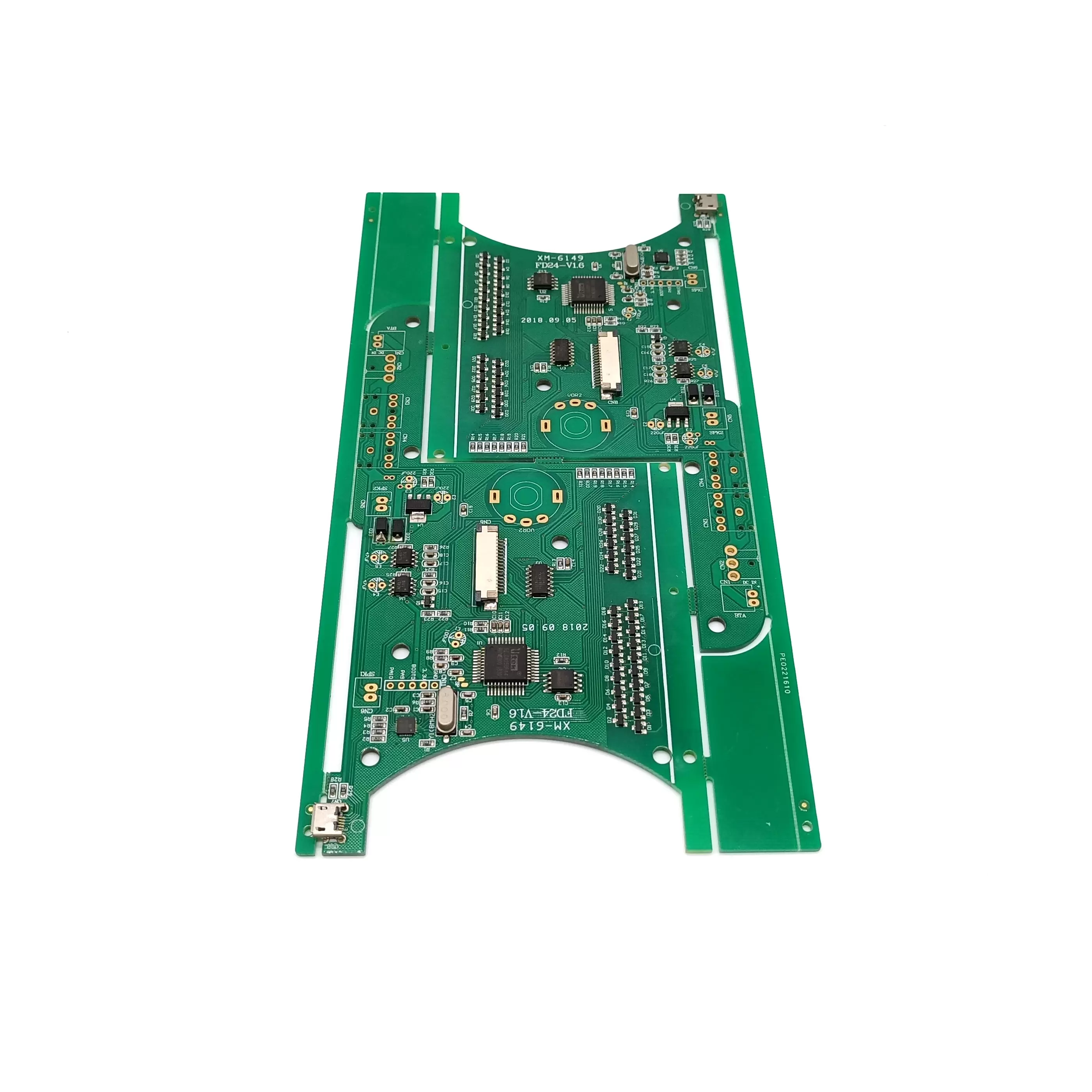
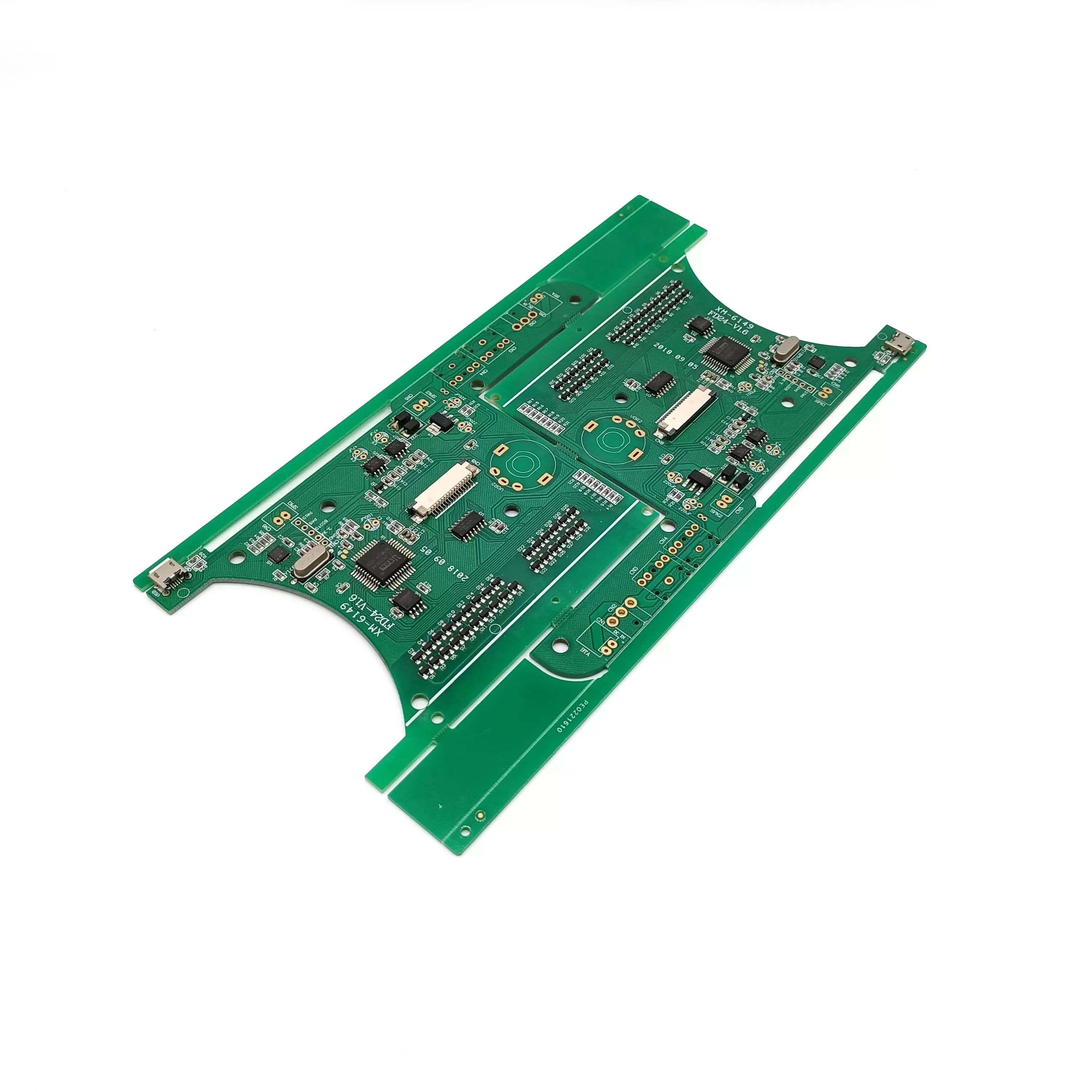
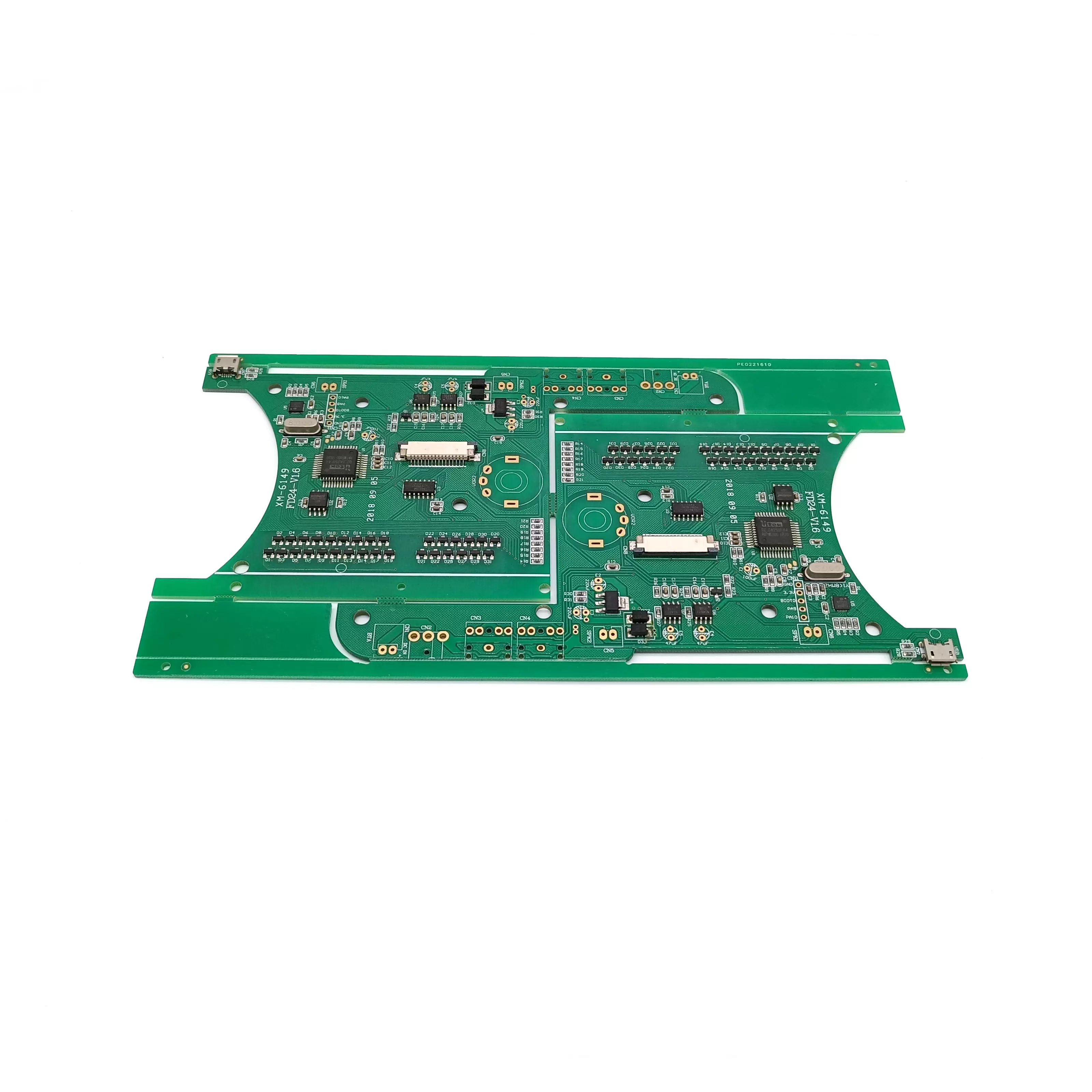
In many electronic systems, driver circuits are used to control how components respond—whether it is switching, signal triggering, or module activation. In these cases, the PCB assembly for the driver is expected to provide stable connections rather than handle heavy current loads.
This type of board is typically simpler in structure, but more sensitive to connection quality. A 2-layer PCB is often enough for routing, while the focus shifts to how cleanly signals move across the board and how reliably each solder joint remains over time.
Where This Type of PCB Assembly Is Commonly Used
Driver PCB assemblies are not limited to one specific product. They are often found in systems where signals need to be translated into action:
●LED driver circuits where brightness or switching needs to be controlled
●Motor driver boards that handle start-stop or speed signals
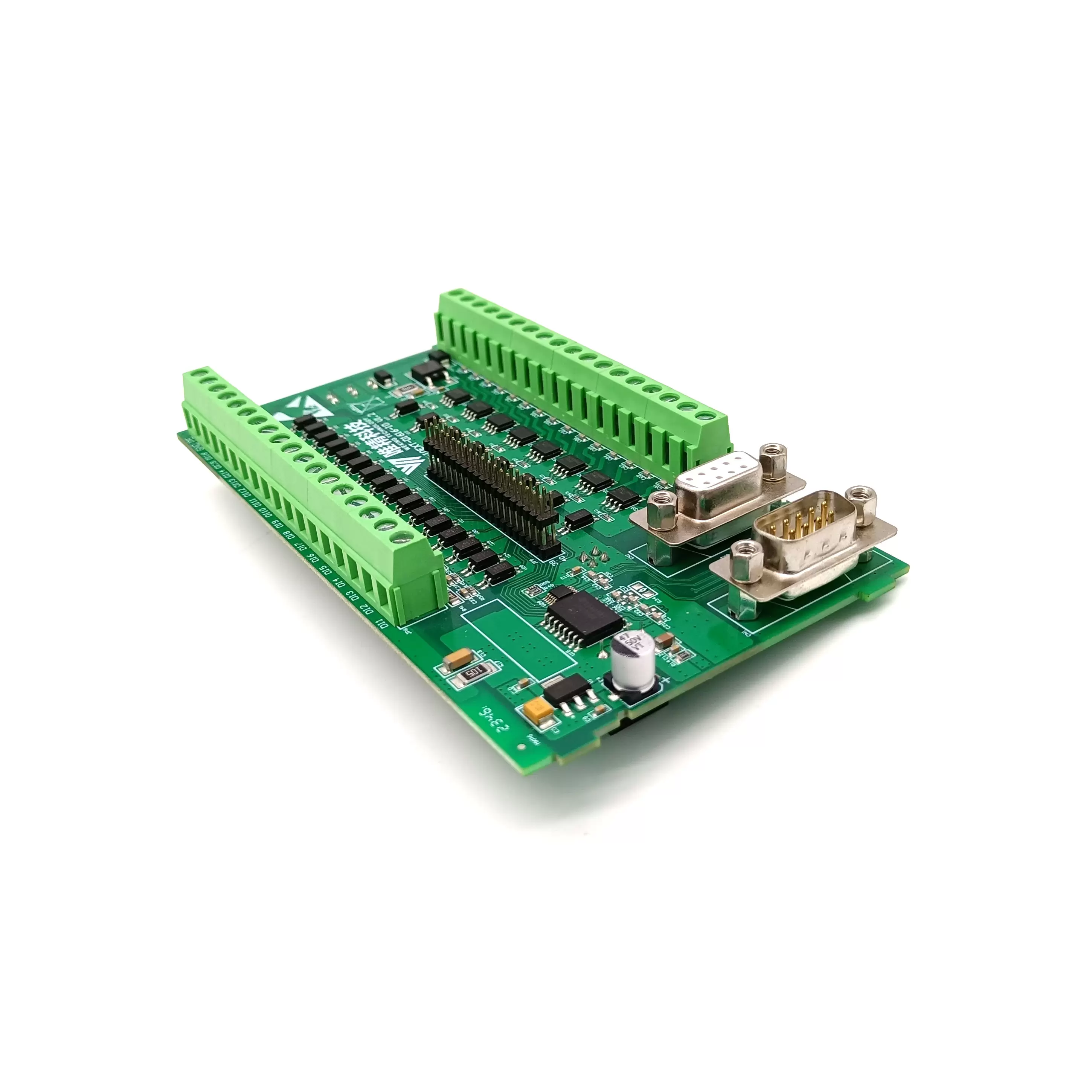
●Interface boards connecting controllers to external modules
●Embedded systems that rely on a stable signal output
In these scenarios, the PCB assembly acts as a bridge between control logic and physical response.
What Matters More in Driver PCB Assembly
Compared to power-related boards, the priorities here are slightly different.
Signal stability is one of the main concerns. If routing is not clean or if interference is present, the output may become inconsistent. This is why even a 2-layer PCB assembly for a driver still needs careful handling during production.
Another point is the surface finish. ENIG is commonly used not because of current capacity, but because it provides a flat and reliable surface for soldering. This becomes important when dealing with smaller components or tighter spacing.
Over time, connection reliability tends to be the deciding factor. A board that looks fine initially may fail if solder joints are not stable enough, especially in systems that switch frequently.
About the Assembly Process
Even though the board structure is relatively simple, the assembly process still needs to stay consistent. Placement accuracy and soldering control both affect how the driver circuit performs after installation.
Using an ENIG finish helps improve solder joint quality and reduces the risk of oxidation. During production, standard process checks are usually enough to maintain stable output, especially for this type of PCB assembly for the driver.
A Practical Note
For driver applications, PCB assembly is rarely about pushing limits. Instead, it is about keeping things consistent—stable signals, reliable connections, and predictable performance over time.
This is why a straightforward structure combined with a stable surface finish is often preferred for PCB assembly for driver boards.

 en
en





 WhatsApp