PCB Assembly for Power Regulator
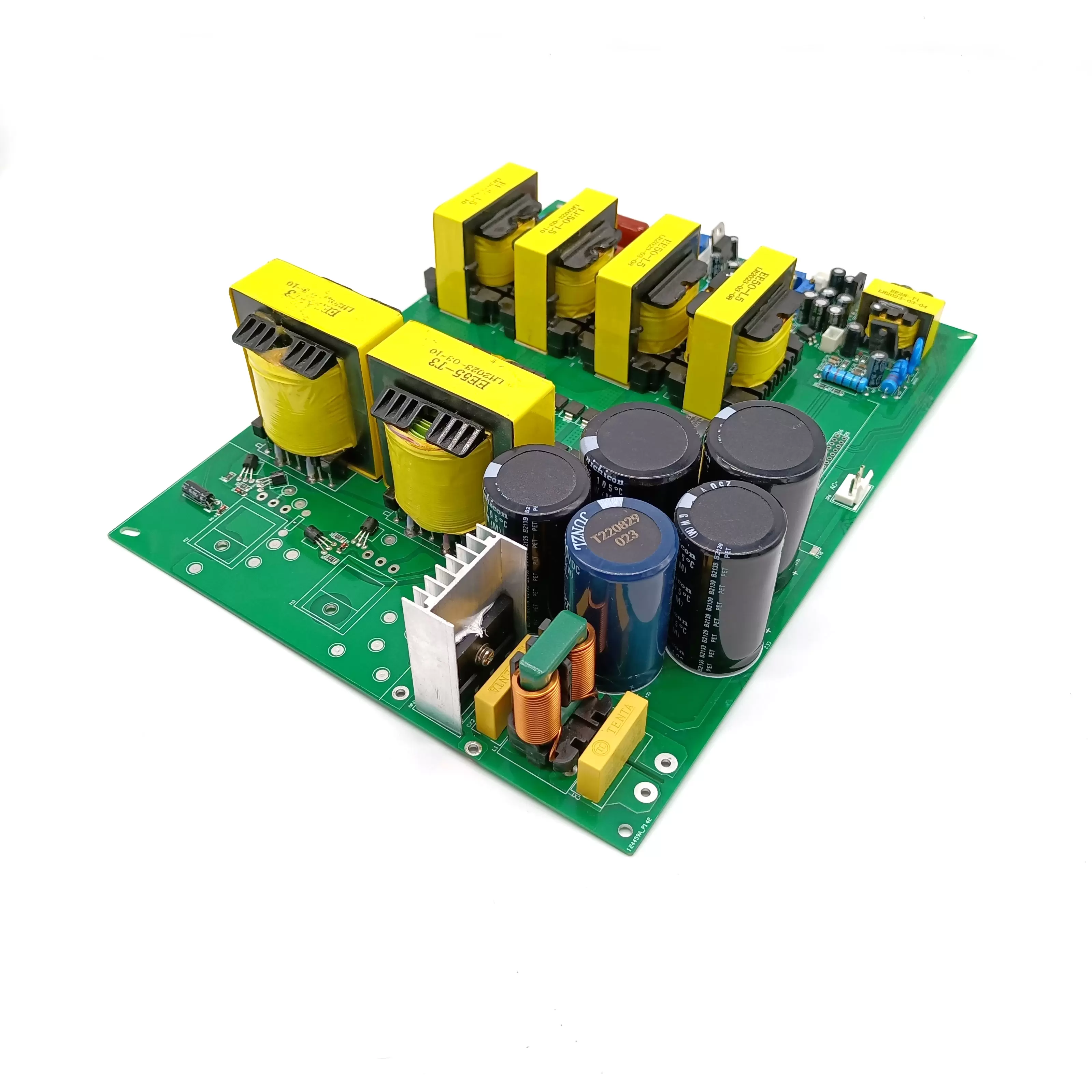
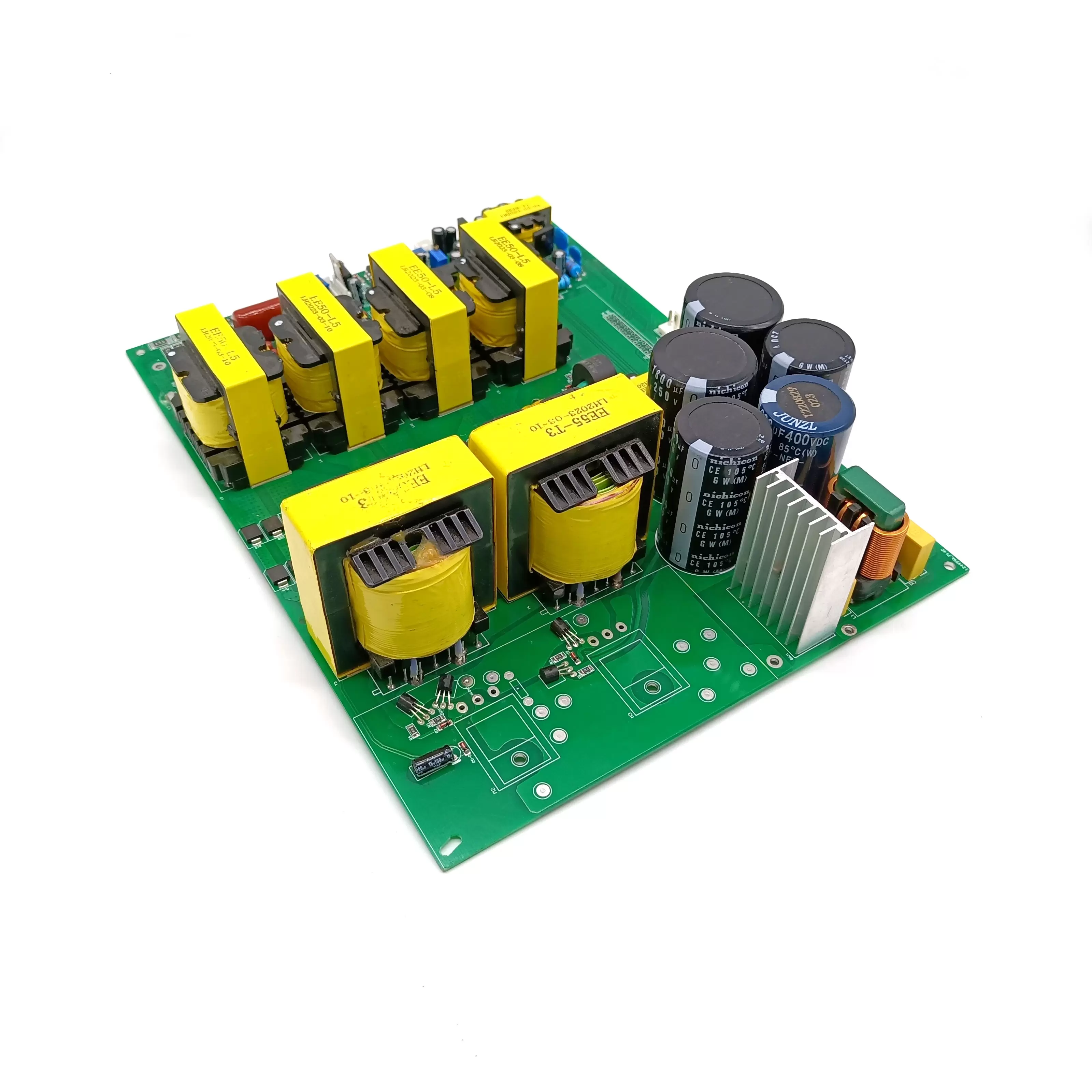
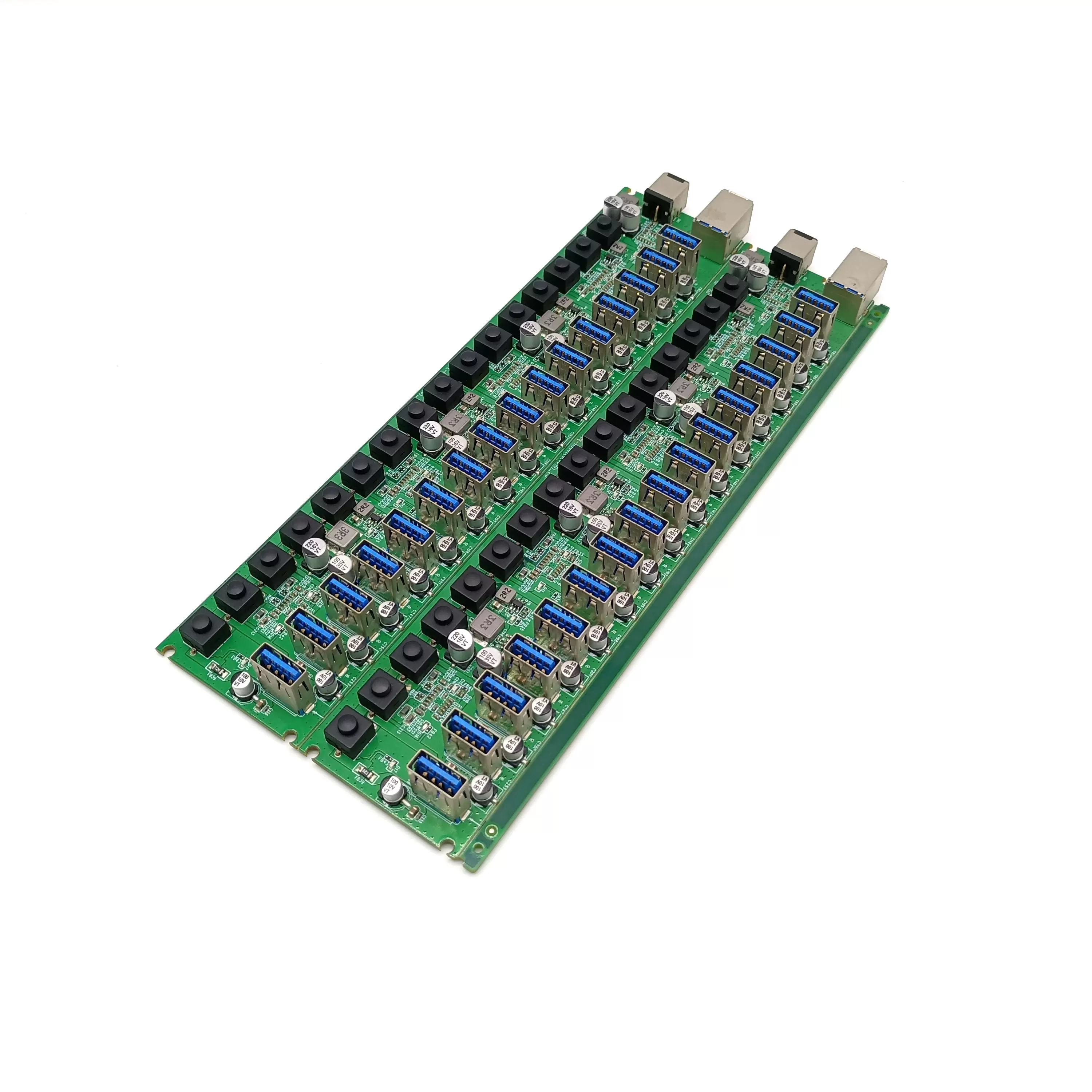
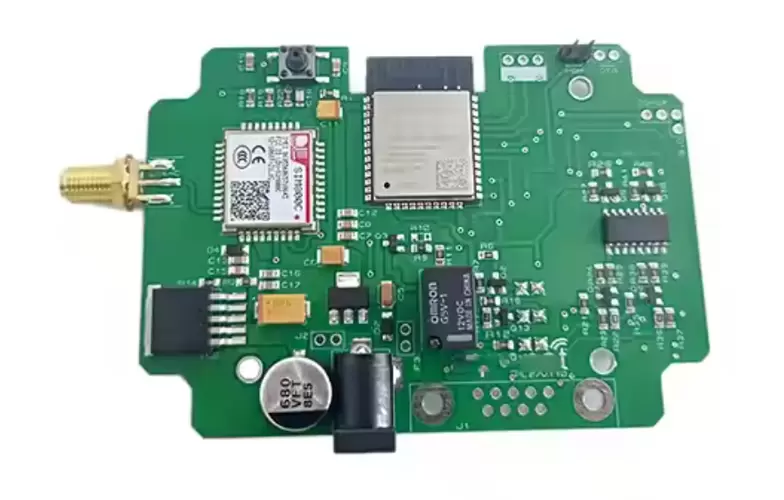
Power regulator circuits usually run under continuous load, so stability and heat control are always key concerns. This PCB assembly for a power regulator is built with that in mind, focusing on current handling and consistent electrical performance over time.
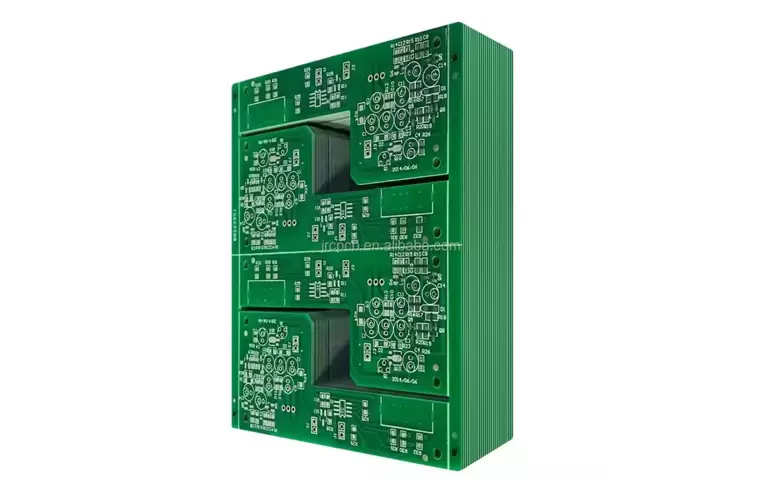
The 4-layer structure helps separate power and signal paths more clearly, which reduces interference during operation. With 2OZ copper, the board can carry higher current without causing excessive temperature rise or noticeable voltage drop.
In real applications, PCB assembly for a power regulator is not just about connecting components. The way the board is built and assembled has a direct impact on how stable the output remains during long-term use.
Key Considerations in Power Regulator PCB Assembly
For power-related circuits, a few practical factors usually matter more than anything else.
●Current Handling
Thicker copper helps lower resistance in the circuit. In this PCB assembly for a power regulator, 2OZ copper supports more stable current flow, especially when the load changes frequently.
●Heat Dissipation
Power circuits naturally generate heat. The layer structure and material used here help spread heat more evenly, reducing the risk of hot spots.
●Layer Arrangement
A 4-layer PCB gives better separation between power and ground, which helps keep the circuit stable and reduces unwanted noise.
Manufacturing Process
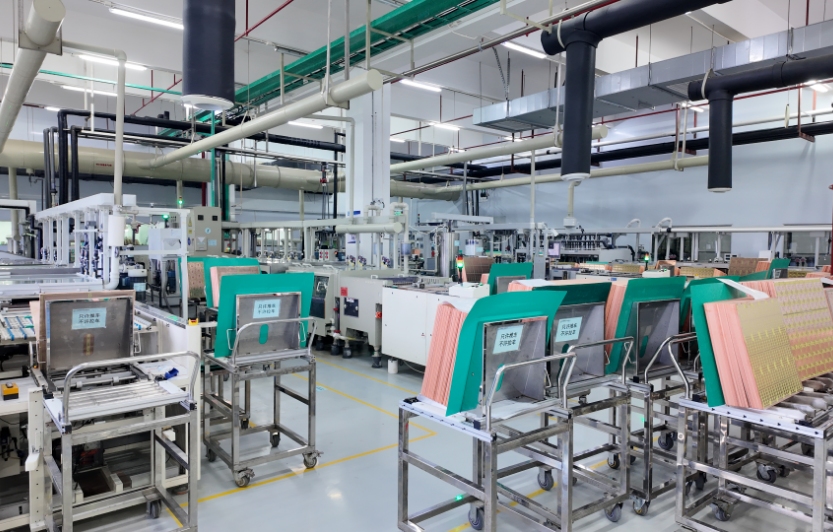
Consistency during production is important for PCB assembly for a power regulator. Small variations in soldering or placement can affect performance, especially in power circuits.
Lead-free HASL is used for surface finishing to ensure reliable solder joints. During assembly, standard process control is followed to keep the quality stable across different batches.
Typical Applications
This PCB assembly for a power regulator is commonly used in:
●Industrial power supply units
●Voltage regulator boards
●Automation equipment power control
●Consumer electronics with power management circuits
These applications all require stable voltage output, so the PCB assembly plays an important role in overall performance.
Why PCB Assembly Matters in Power Regulator Circuits
In power regulator circuits, PCB assembly directly affects how the system performs. If the copper thickness is too low or heat is not managed well, the circuit may become unstable over time.
This PCB assembly for a power regulator is built to handle these common issues, making it suitable for applications that need steady and reliable power output.
FAQ
Q: Why use 2OZ copper in PCB assembly for a power regulator?
A: It helps reduce resistance and heat, which improves stability when handling higher currents.
Q: Is a 4-layer PCB necessary for power regulator circuits?
A: Not always, but it is commonly used because it provides better power distribution and reduces noise.

 en
en





 WhatsApp