PCB Assembly for Signal Driver and Controller
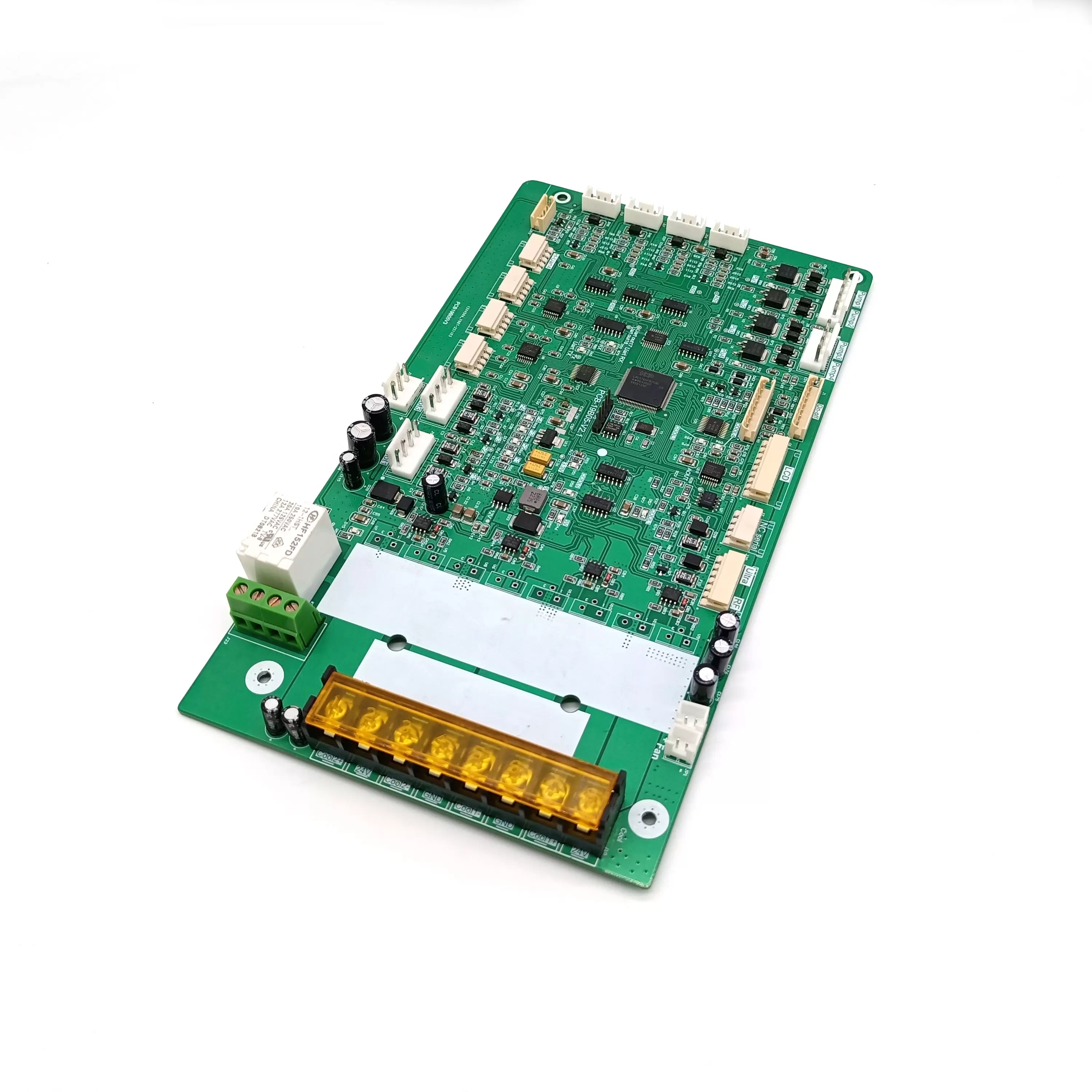
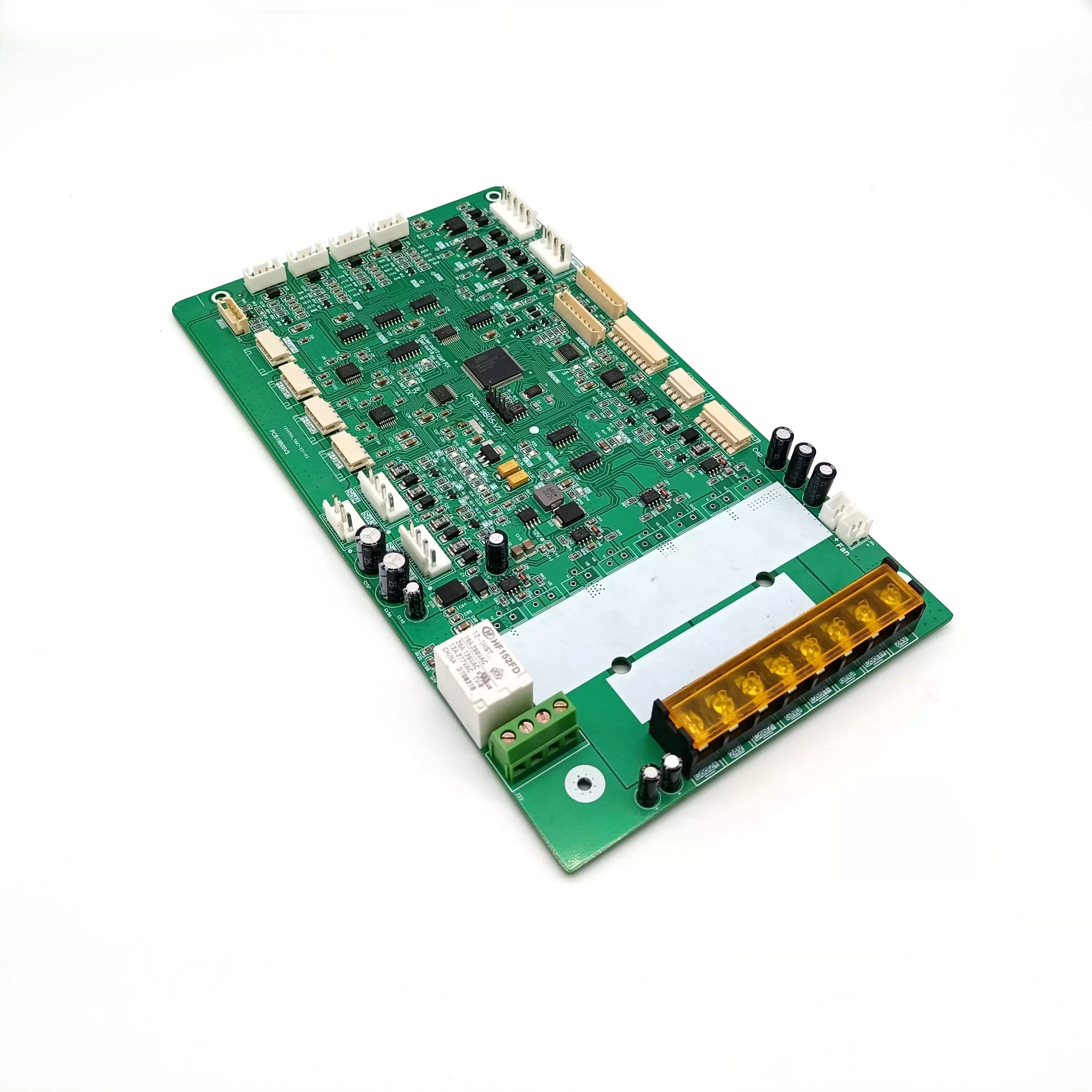
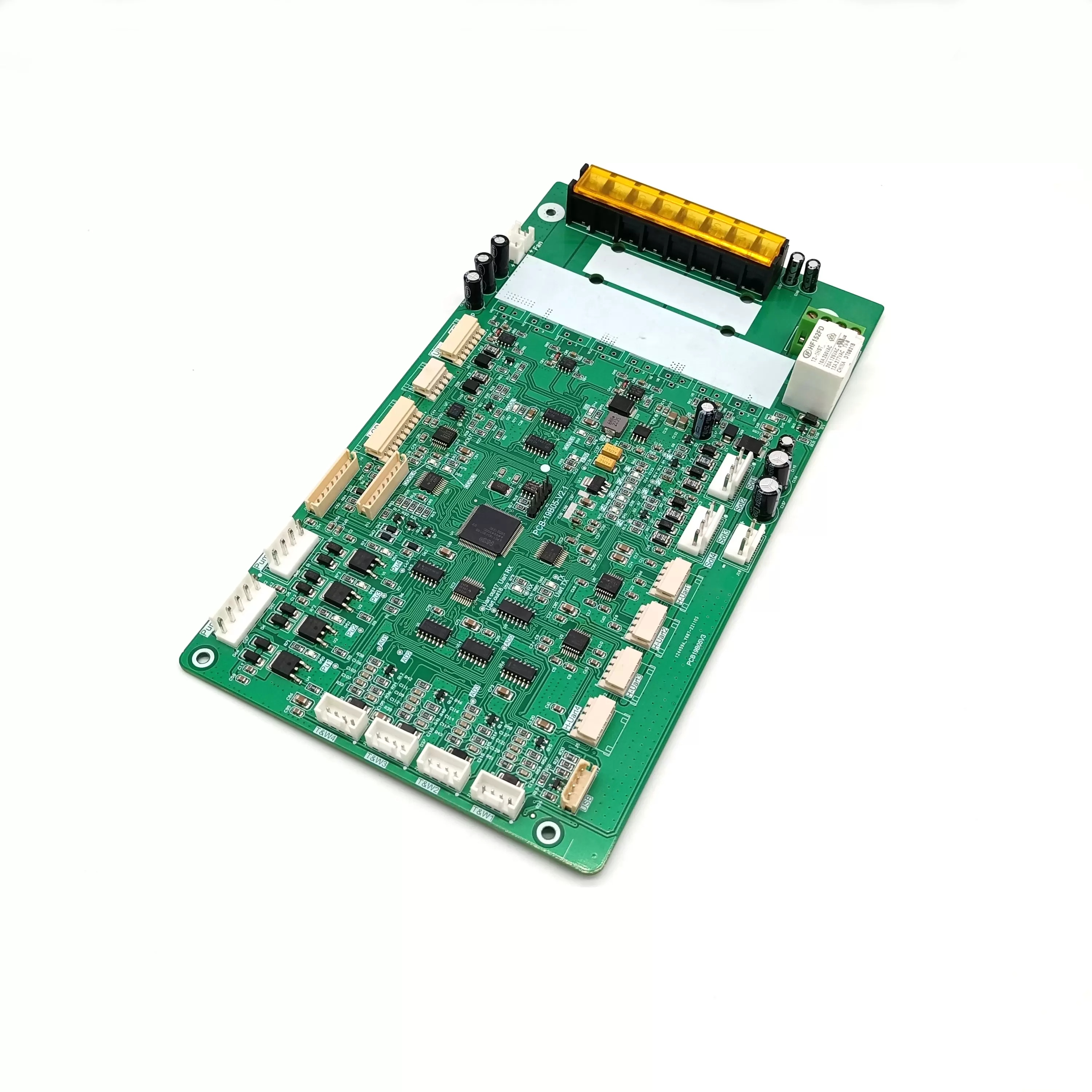
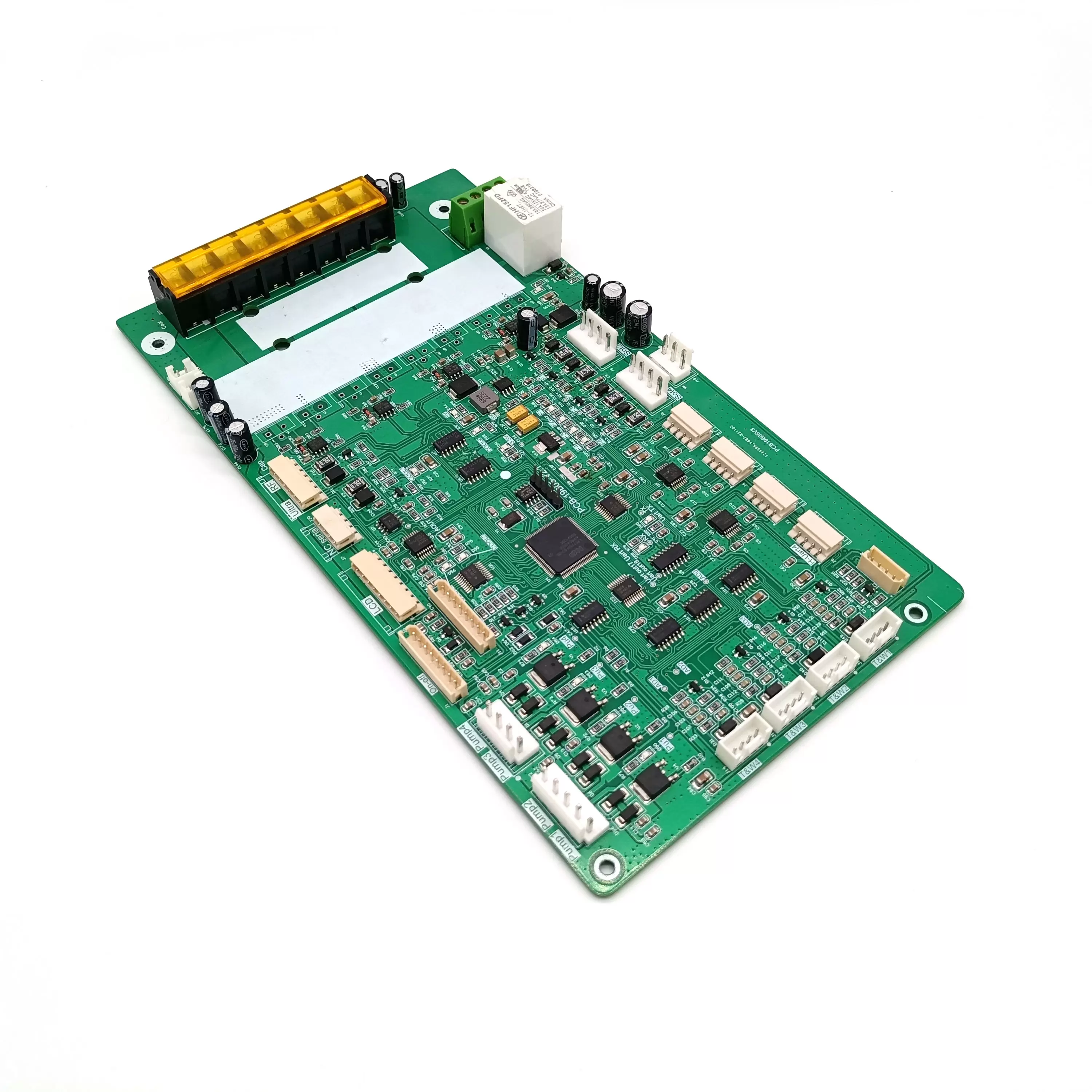
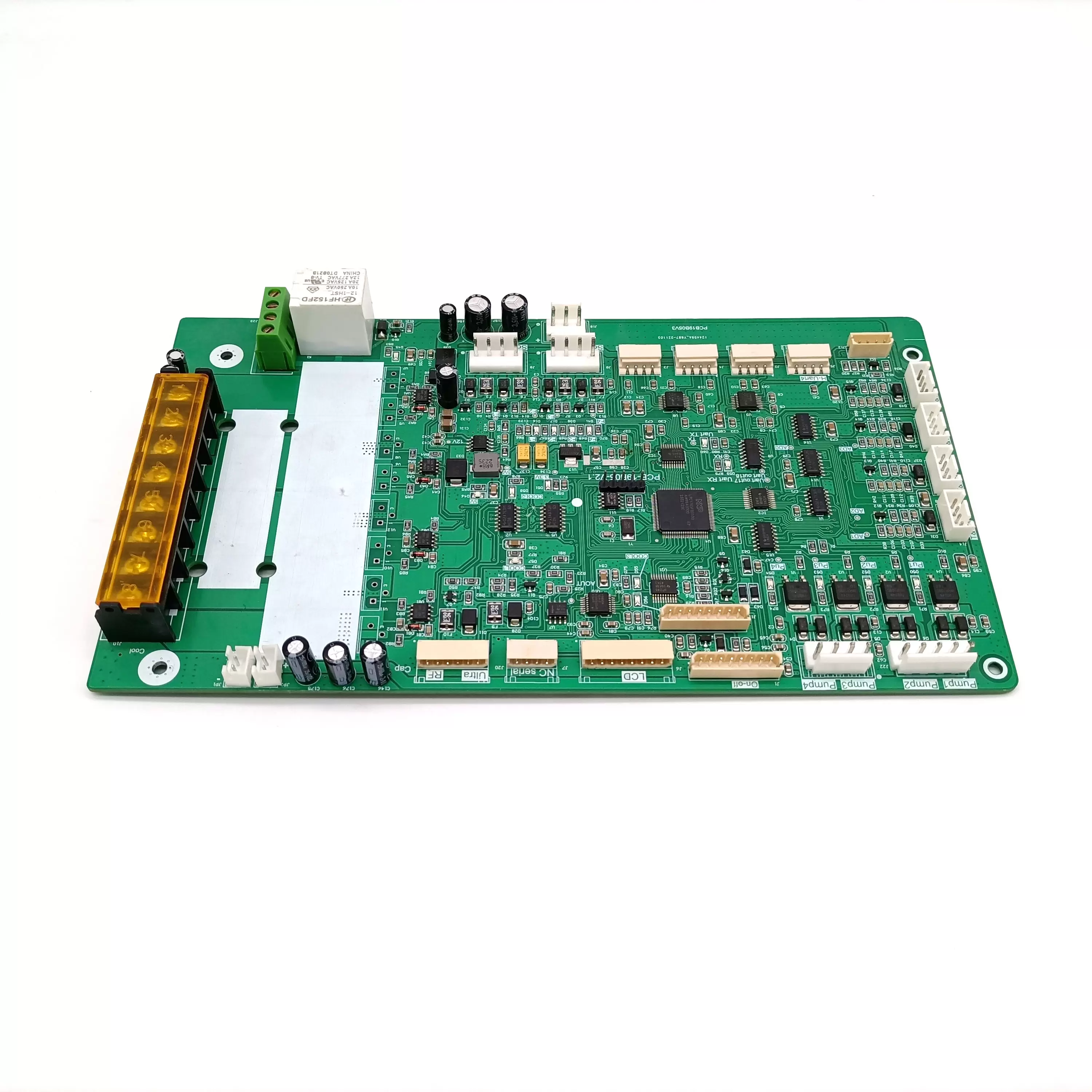
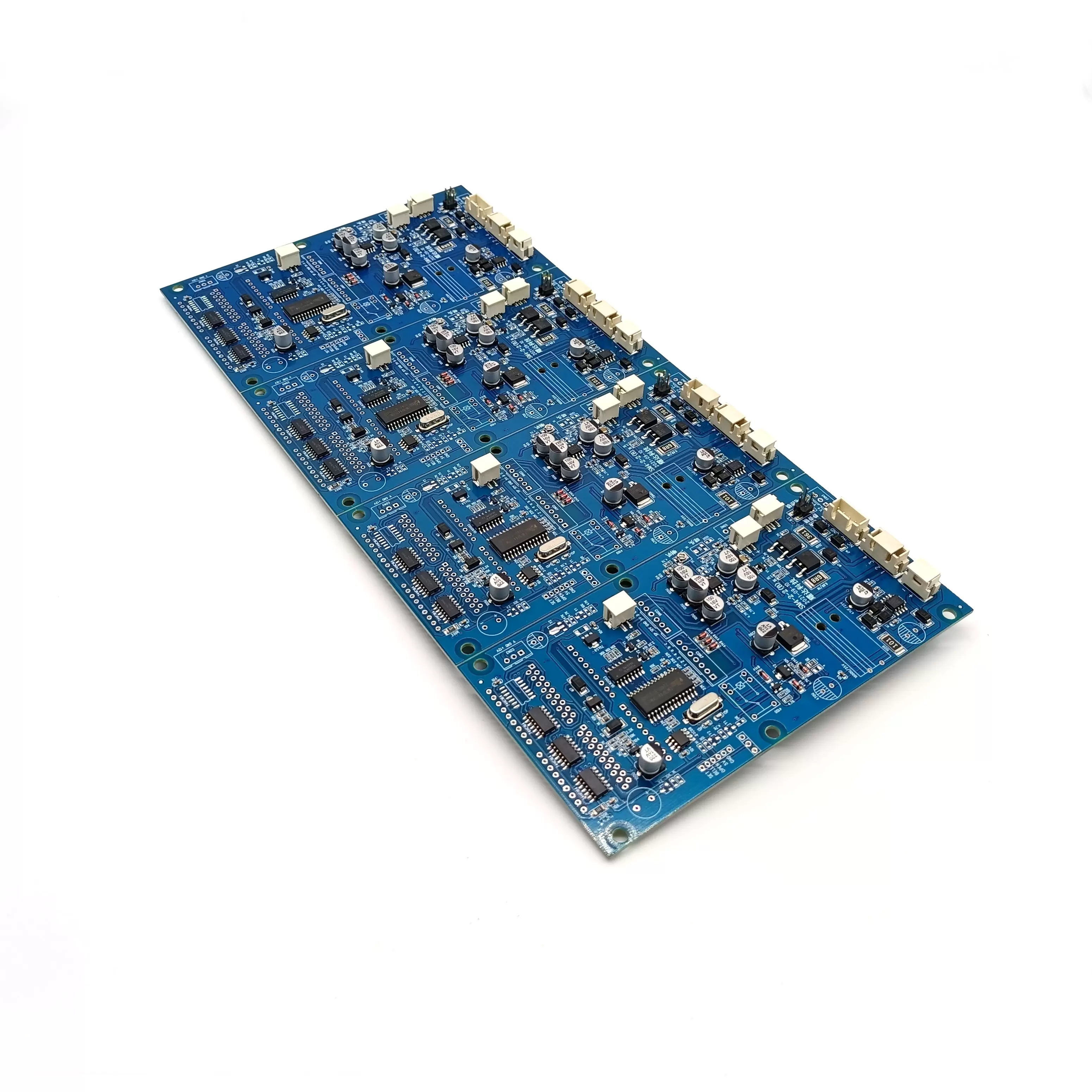
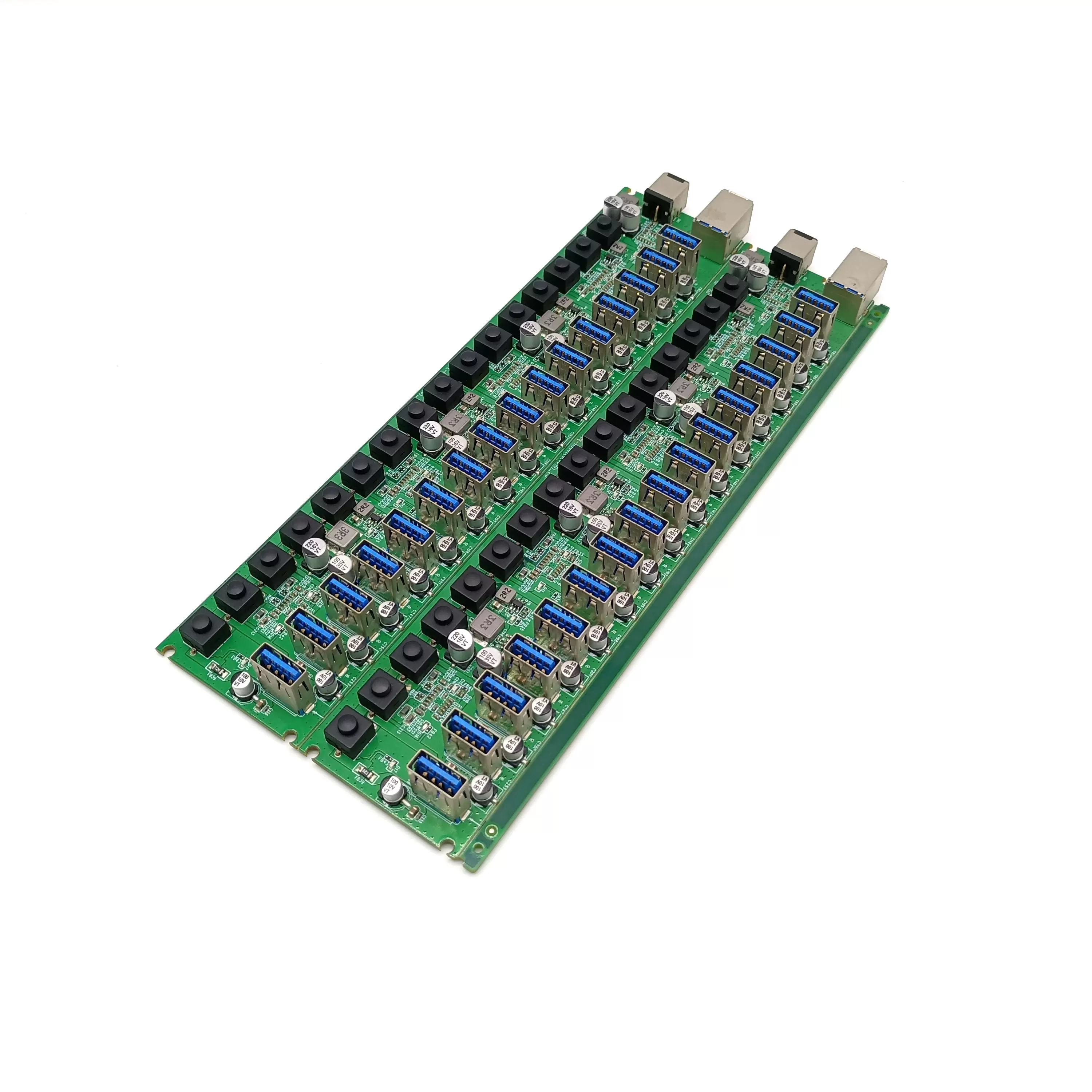
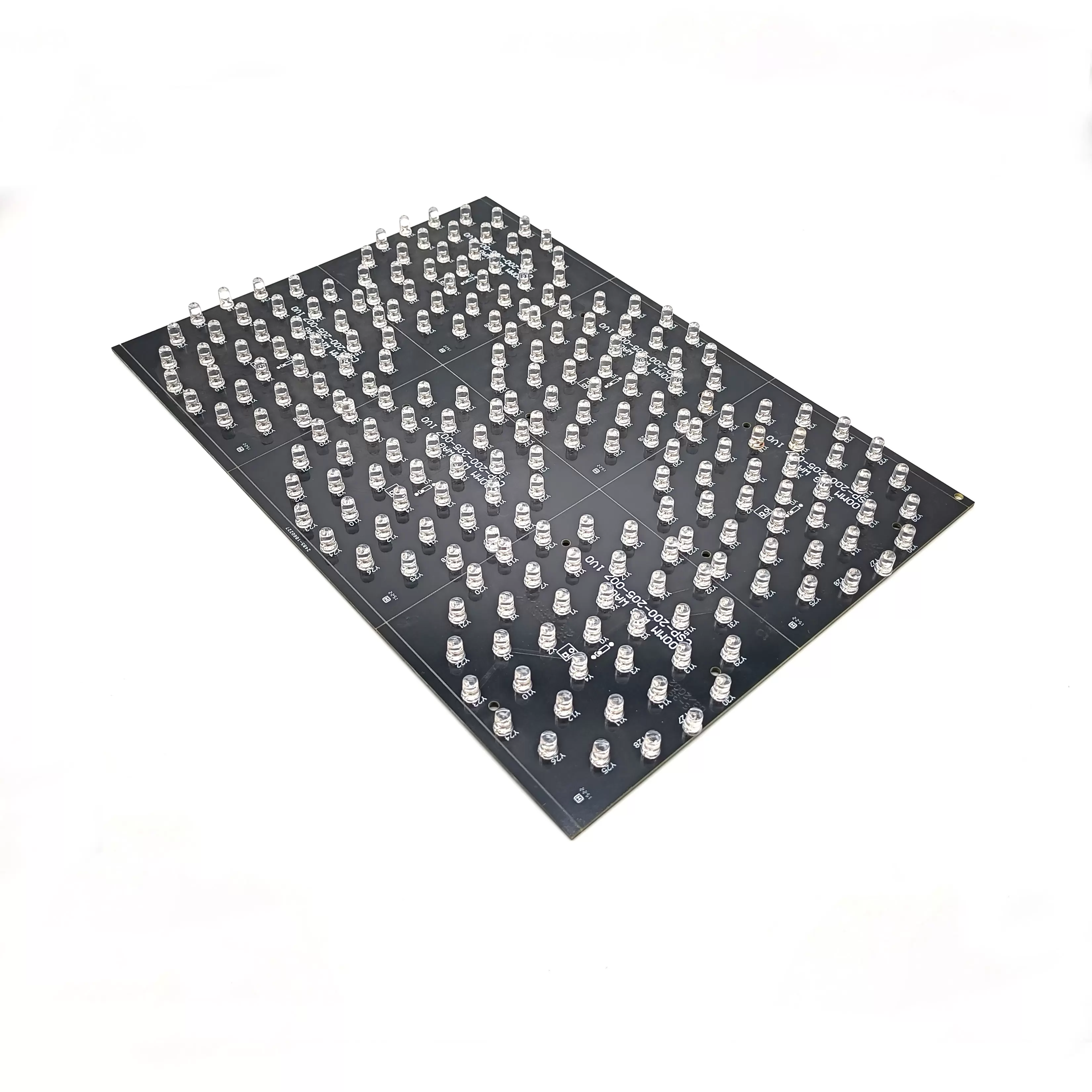
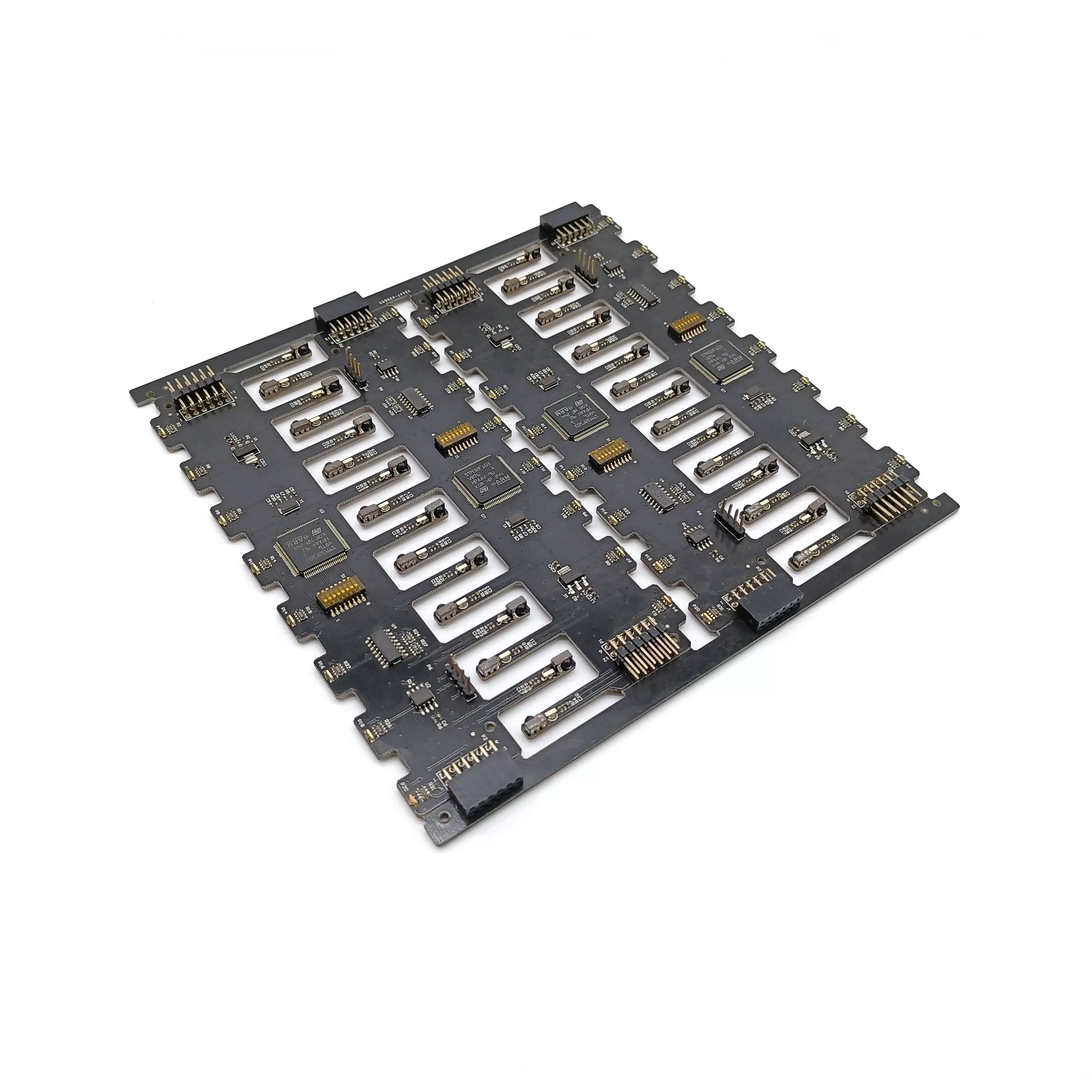
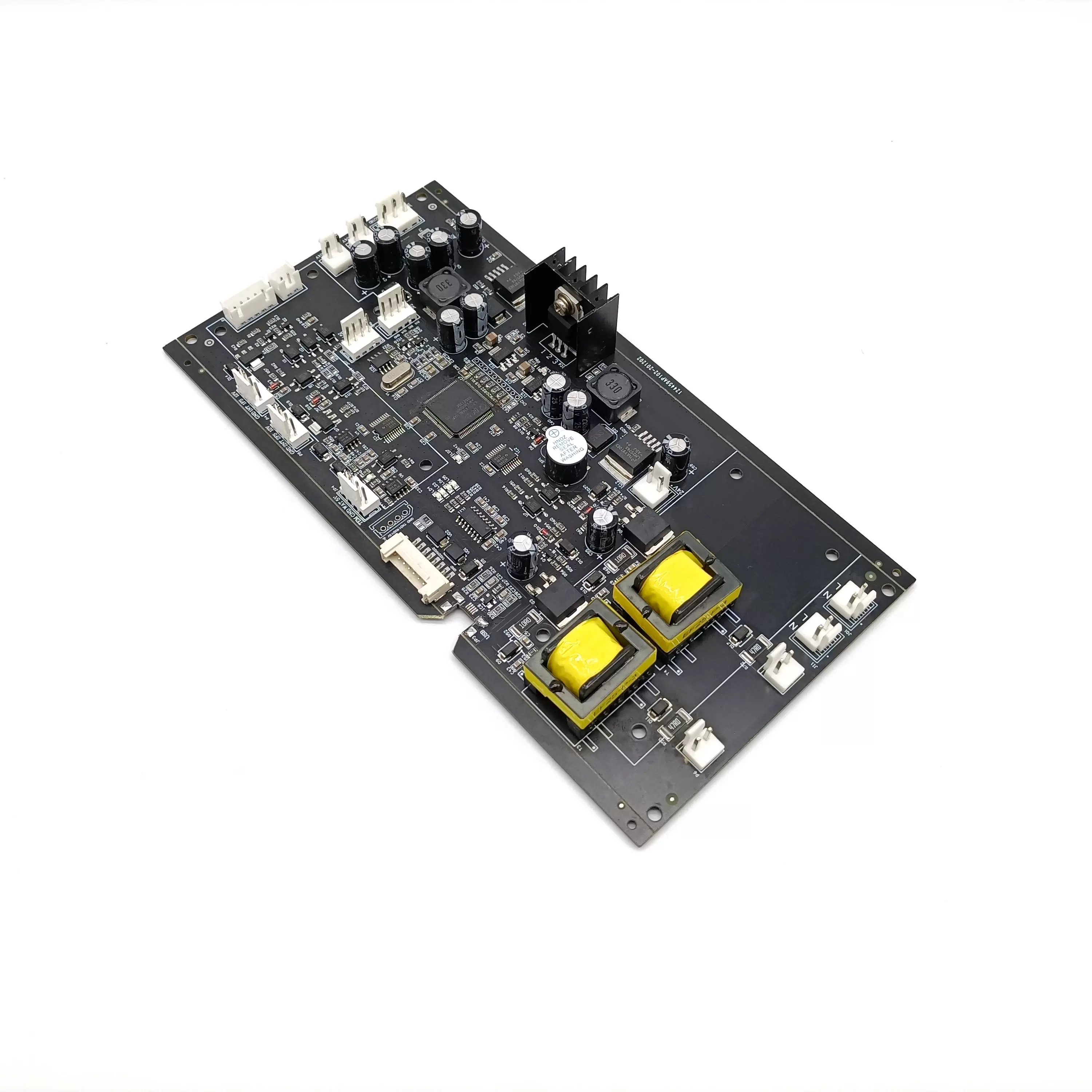
Signal driver and controller boards play a critical role in modern electronic systems, acting as the link between logic processing and real-world execution. Instead of simply transmitting signals, these boards are responsible for driving outputs, coordinating control logic, and ensuring that every command is carried out accurately. Because of this, PCB Assembly for Signal Driver and Controller requires a higher level of precision than standard PCB assembly, where both signal integrity and control stability must be maintained under continuous operation.
At BENLIDA, this type of assembly is approached with a focus on consistency and real-world reliability. Each PCB Assembly for the Signal Driver and Controller project is handled with careful attention to circuit behavior, ensuring that the final product performs predictably across different application environments and usage conditions.
Designed for Continuous Operation Environments
In practical use, signal driver and controller PCBs are rarely operating under ideal or static conditions. They are often deployed in systems that require long-term, uninterrupted performance.
In industrial automation, controller boards must manage communication between sensors, actuators, and processing units without delay. Even minor instability can lead to system inefficiencies or operational errors. In motor driver applications, a stable signal output is essential to maintain smooth motion control and prevent performance fluctuations.
Similarly, in LED driving systems and communication modules, the PCB must handle high-frequency switching and maintain synchronization across multiple channels. These requirements place greater demands on the signal driver and controller PCB assembly process, where manufacturing quality directly impacts system performance.
Supporting Complex Signal Routing with Multi-Layer Structures
To meet these demands, multi-layer PCB designs are commonly used. A 4-layer structure allows better separation of power, ground, and signal paths, which improves signal stability and reduces interference.
During PCB Assembly for Signal Driver and Controller, maintaining precise layer alignment and ensuring clean electrical interconnections are essential. Any inconsistency in this stage can lead to signal degradation, timing issues, or reduced reliability. The assembly process must therefore support the structural integrity of the PCB design while preserving its electrical performance.
Precision Assembly for Driver and Control Components
Signal driver and controller boards typically include a mix of power components and sensitive control elements. Driver circuits may handle higher current loads, while controller components rely on accurate timing and signal coordination.
This combination makes component placement accuracy particularly important. Even small deviations can affect signal execution or create inconsistencies between channels. To address this, the assembly process is carefully controlled to ensure uniform solder joints, stable electrical connections, and consistent component positioning across the board.
Thermal and Power Stability Considerations
Thermal performance is another key factor in these applications. Continuous switching, power delivery, and signal driving can generate heat that, if not properly managed, may affect both efficiency and long-term stability.
During assembly, attention is given to heat dissipation paths and overall thermal balance. At the same time, proper power distribution and grounding are maintained to support stable signal output and accurate control logic. These factors work together to ensure that the board operates reliably even under demanding conditions.
Consistent Manufacturing from Prototype to Production
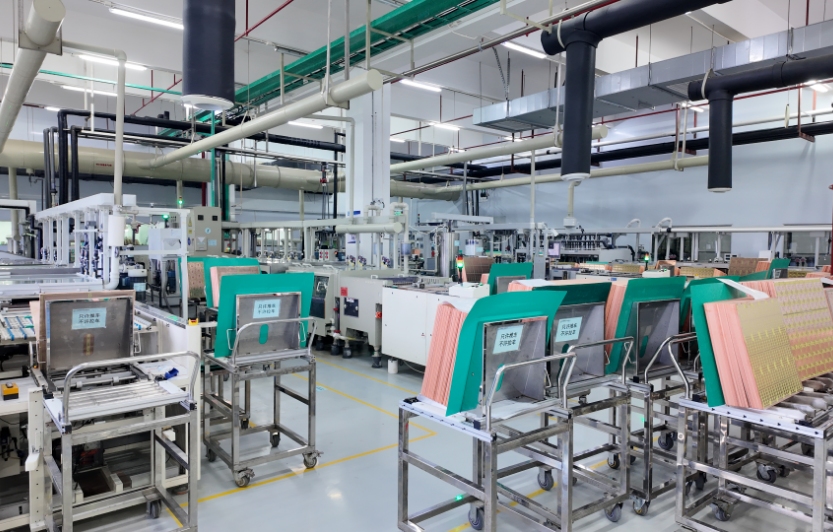
BENLIDA provides PCB Assembly for Signal Driver and Controller across both prototype and volume production stages. The manufacturing process is supported by advanced SMT lines and standardized workflows, allowing consistent quality regardless of production scale.
Each assembled board undergoes inspection procedures such as automated optical inspection to detect potential defects before delivery. This structured quality control approach helps reduce variability and ensures that every board meets the required performance standards.
From Assembly to Real-World Performance
As control systems become more complex and integrated, the role of PCB assembly becomes increasingly important. PCB Assembly for Signal Driver and Controller is not just about assembling components, but about ensuring that control signals are executed accurately, consistently, and reliably in real operating environments.
BENLIDA focuses on delivering practical and dependable assembly solutions, helping customers turn their driver and controller designs into stable, production-ready products.

 en
en


 WhatsApp