PCB Assembly for Electricity Meter Power Grid
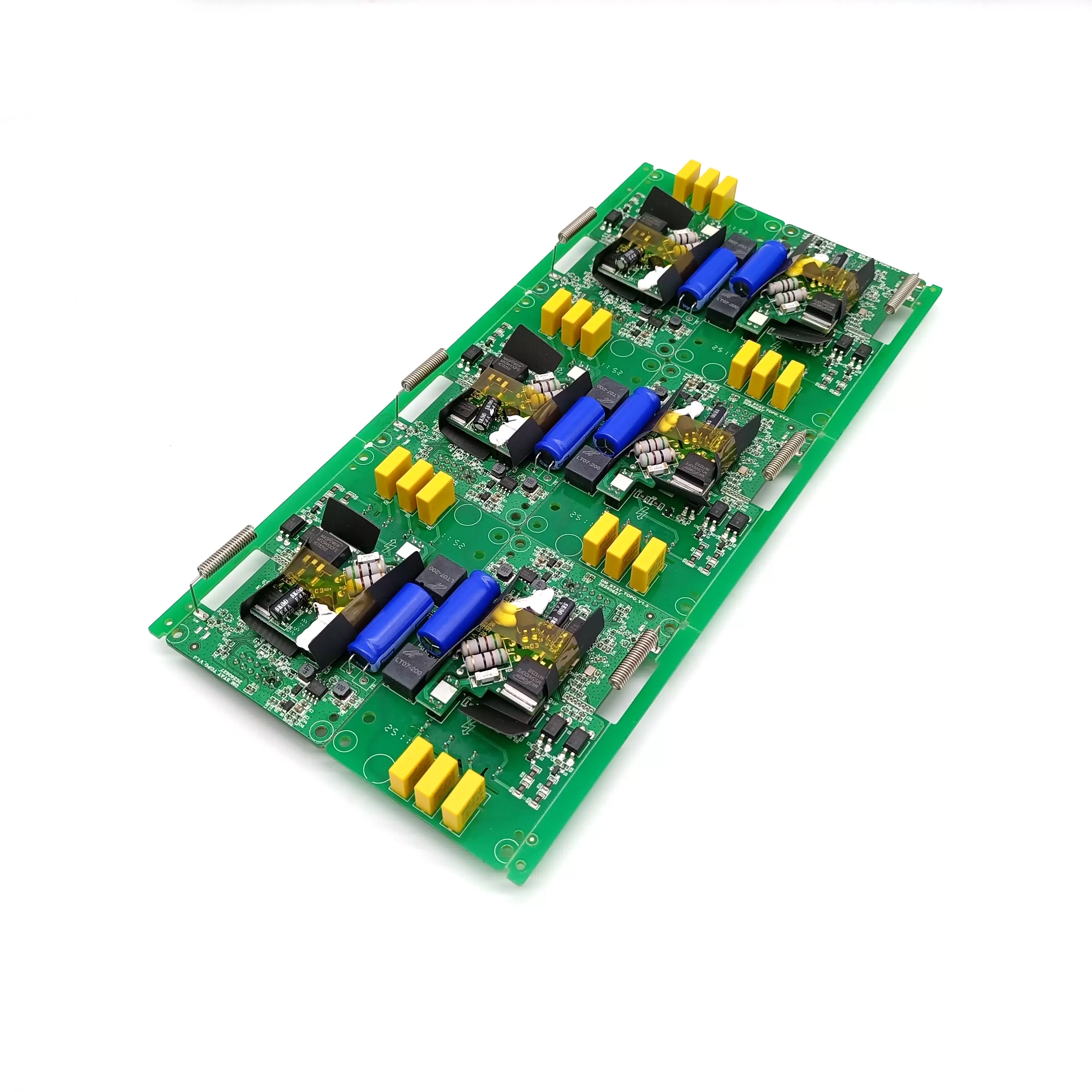
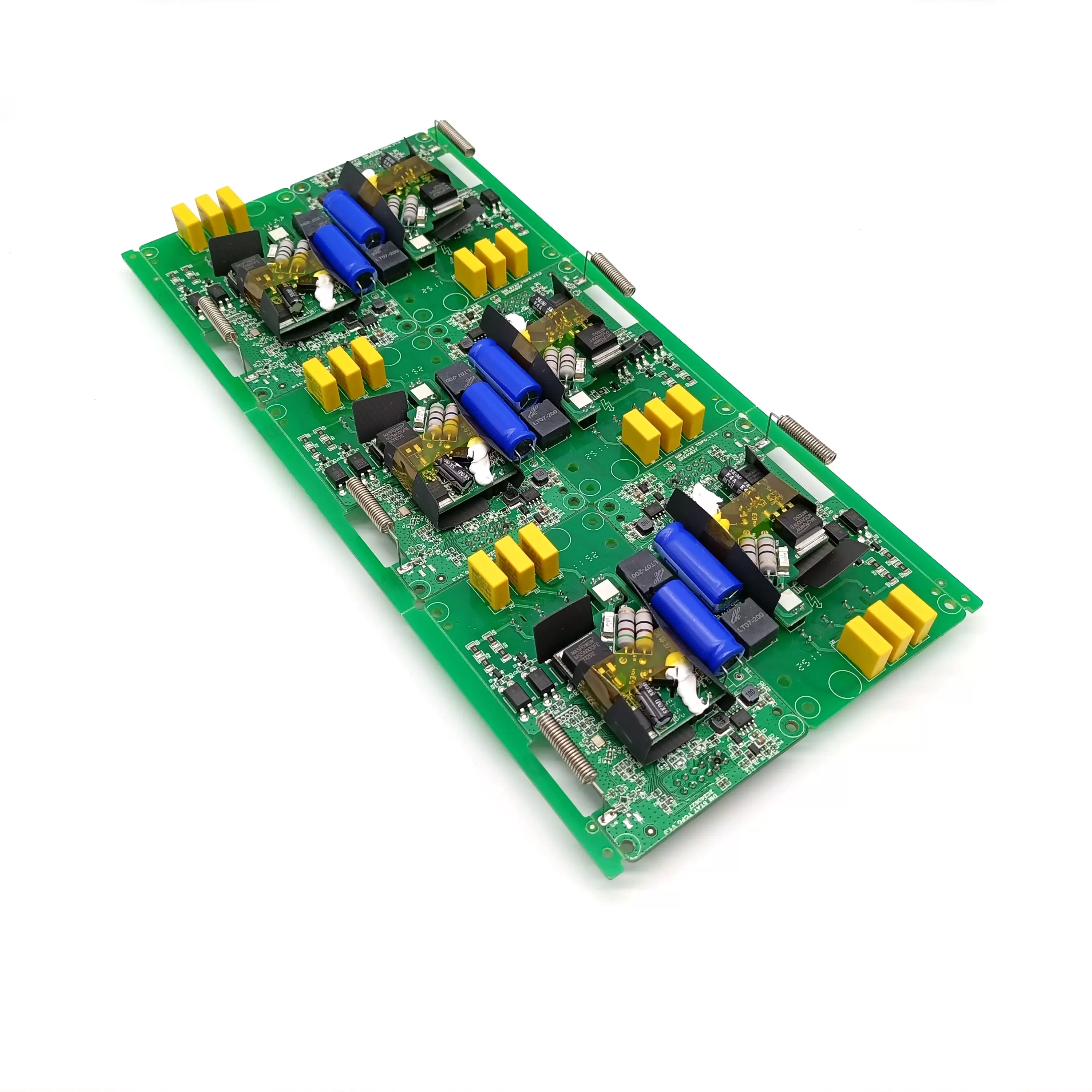
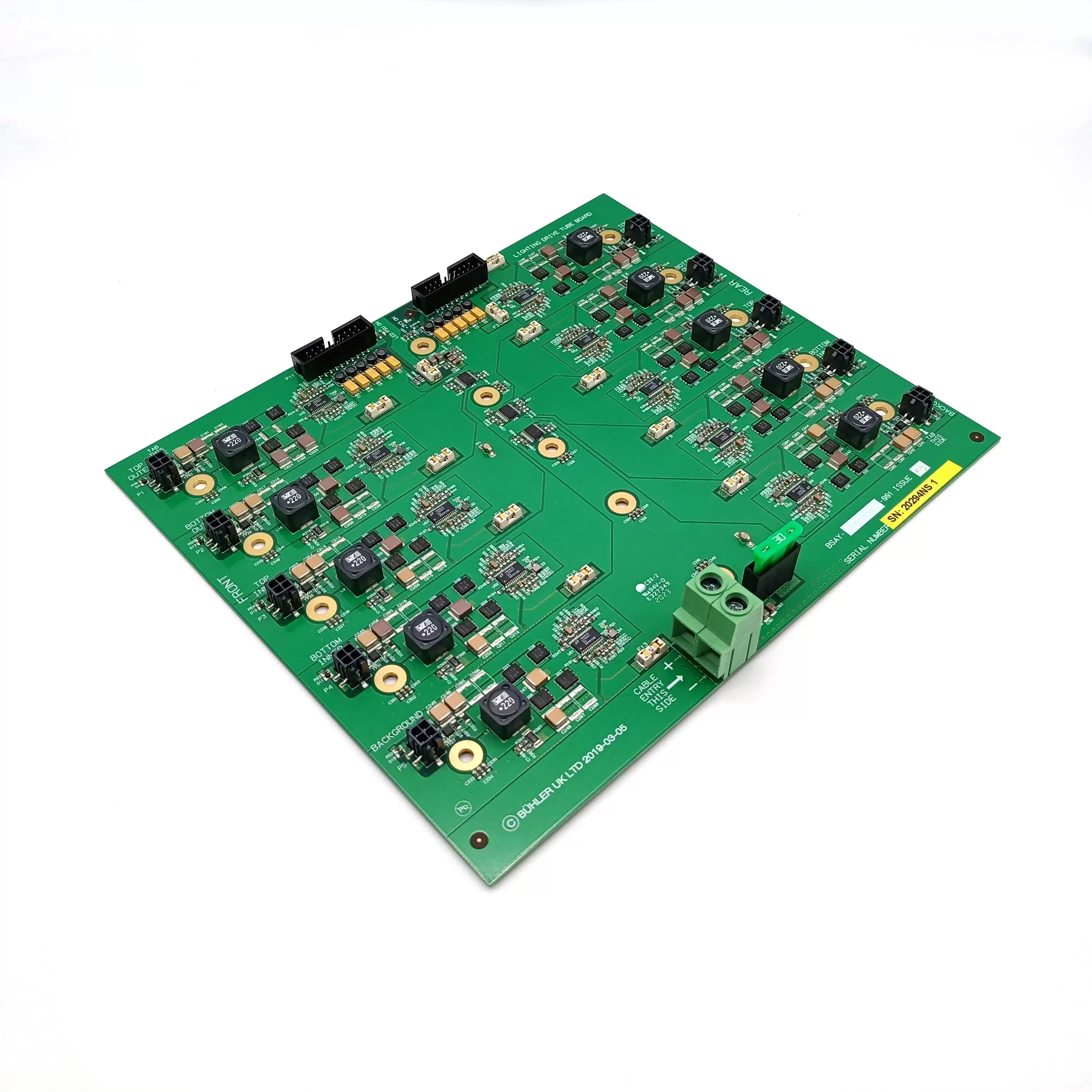
In power grid systems, electricity meters are expected to run quietly in the background for years, recording consumption data without interruption. What looks like a simple device on the surface actually depends on a highly stable internal structure, where the PCB plays a central role.
For this type of application, assembly is not about adding complexity, but about reducing variables. From the moment signals are collected to the point where data is processed and transmitted, the circuit needs to remain consistent under different load conditions. Any small fluctuation, if repeated over time, can gradually affect measurement results.
At BENLIDA, the focus is placed on keeping that consistency intact throughout the entire assembly process, so the board behaves predictably not just at the beginning of its life cycle, but years down the line.
Stability Behind Measurement Accuracy
Electricity meters rely on continuous sampling of current and voltage. This puts a quiet but constant demand on the PCB, where stability matters more than speed.
In real applications, inaccuracies rarely come from obvious faults. More often, they are the result of subtle issues such as minor signal interference or long-term drift. These can be influenced by soldering quality, layout execution, or even slight variations during assembly.
Because of this, the process is handled with a strong emphasis on consistency. The goal is to make sure each board responds the same way under the same conditions, without introducing hidden variables that could affect measurement over time.
Working in Real Grid Environments
Unlike controlled indoor electronics, electricity meters are often installed in locations where conditions are less predictable. Temperature changes between seasons, humidity in outdoor cabinets, and fluctuations in the power network all place additional stress on the board.
Over time, these factors can affect both the physical structure and the electrical behavior of the circuit. A board that performs well in a short test may not necessarily maintain that performance after years of exposure.
This is why the assembly approach takes long-term operation into account from the start. Material compatibility, process stability, and overall build quality all contribute to ensuring that the board remains reliable in actual grid environments.
Designed for Long-Term Operation
One of the defining characteristics of electricity meter PCBs is their expected lifespan. These are not components that are frequently replaced or serviced. Once installed, they are expected to function continuously with minimal intervention.
This puts more weight on how the board is assembled rather than just how it performs initially. Small details, such as uniform solder joints or controlled thermal processing, play a larger role over time than they might in short-life consumer products.
The intention is simple: the board should not introduce changes into the system as it ages. It should remain as stable in year five as it was on day one.
Quality Control in Practice
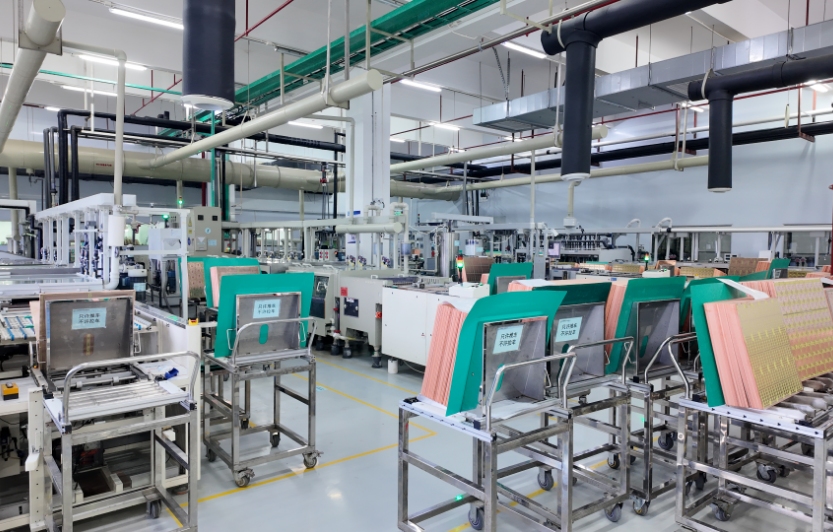
To support this level of consistency, each assembly goes through a series of checks before it leaves production. These are not just routine inspections, but part of making sure the boards behave predictably in real use.
From solder joint verification to electrical testing, each step is aimed at reducing variation between units. The idea is not only to catch defects, but to maintain a uniform standard across batches, which is especially important in large-scale deployments such as power grid systems.
Practical Value for Deployment
For utilities and equipment providers, reliability at the PCB level translates directly into operational stability. When the boards perform consistently, there is less need for recalibration, fewer field issues, and a lower overall maintenance burden.
More importantly, it ensures that the data being collected remains trustworthy. In a system where accuracy affects billing and energy management, this consistency becomes part of the product’s core value.
Why BENLIDA
BENLIDA approaches this type of assembly with a focus on process control rather than unnecessary variation. The aim is to deliver boards that integrate smoothly into metering systems and continue to perform without drawing attention to themselves.
Customers working with power grid applications often look for predictability above all else. That is exactly what the process is designed to provide — a stable foundation that supports accurate measurement over the long term.

 en
en


 WhatsApp