If you’re looking for partners for your next electronic products, then this article might help you to start from the foundation: a dependable PCB Fabrication Service plus a production-ready PCBA Manufacturing Service. Together, they determine whether your design becomes a stable electronic product—or a failure and lost of time&investment.
Modern electronics do not simply run “components” alone. They run on assembled integrated systems: copper networks that transfer power and signals, and precisely placed parts that turn those networks into real functions. That assembled system is PCBA (Printed Circuit Board Assembly).
Below is a practical, step by step guide to where PCBA shows up, what the board is actually doing in each application, and what engineers and buyers should pay attention to when moving from prototype to production.
1. Introduction: Why PCBs Are Everywhere
Almost every electronic device you use—phone, car, key fob, Wi-Fi router, smartwatch, sensor, household appliance—relies on a printed circuit board: PCB.
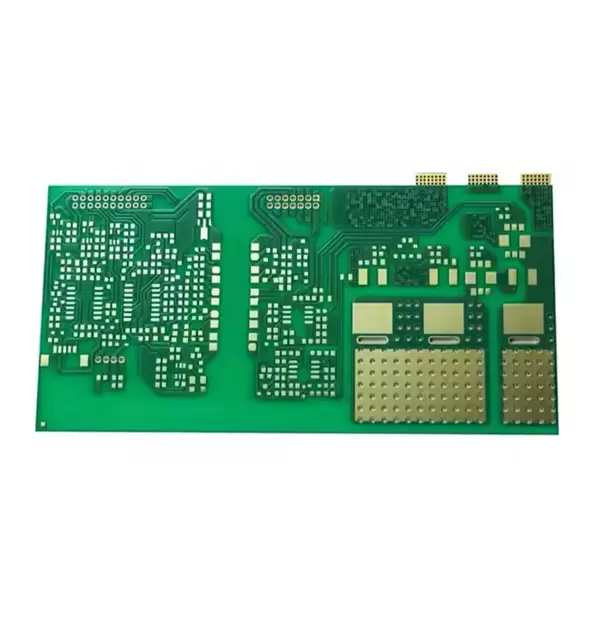
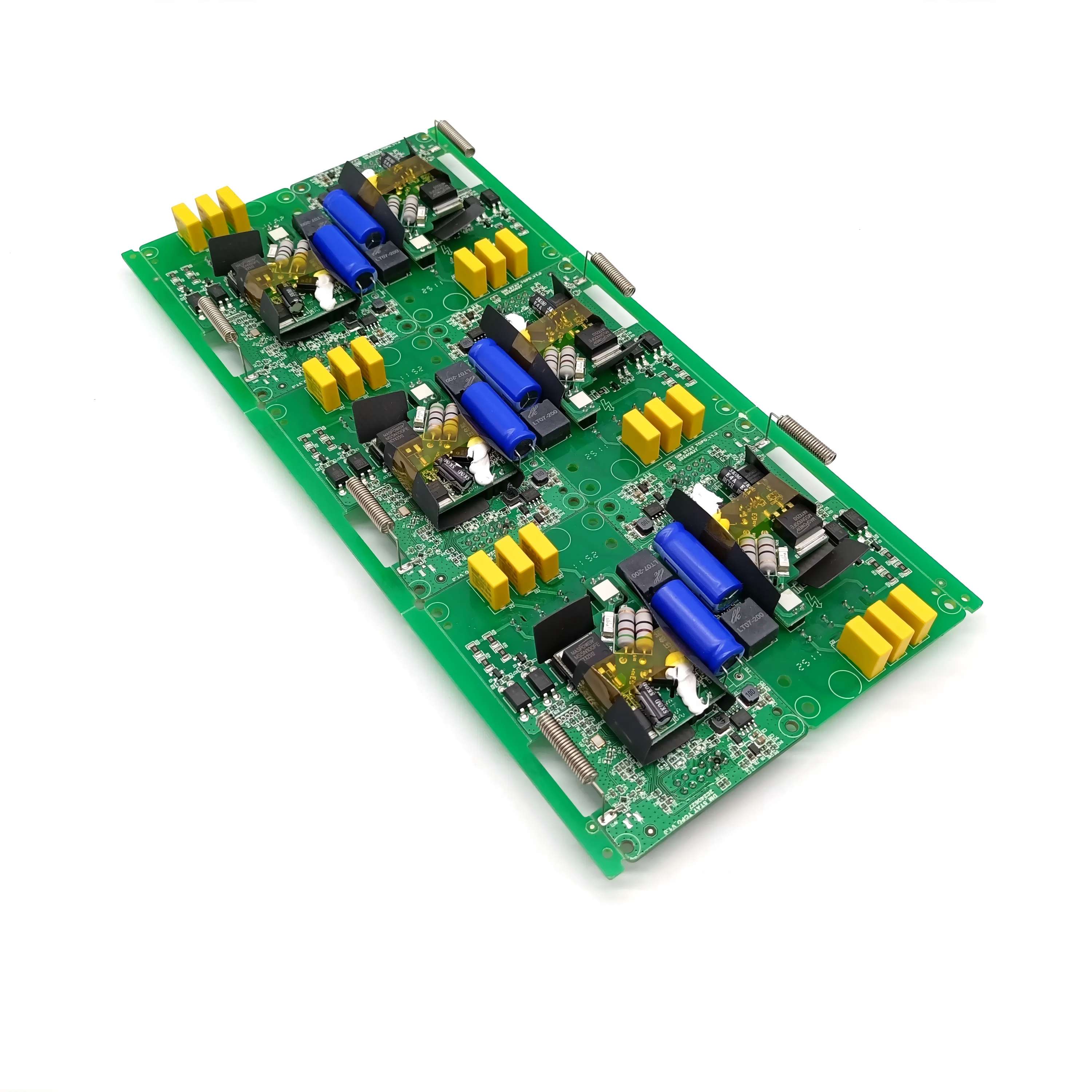
A PCB (Printed Circuit Board) is the bare board: a substrate (often FR-4 or other materials) with patterned copper that forms electrical pathways and pads. Once components are mounted and soldered on that PCB, it becomes a PCBA.
Why does that distinction matter? Because it affects:
Cost and lead time (component sourcing, yield, testing, rework)
Time-to-market (DFM feedback, assembly constraints, test coverage)
Reliability (solder joint integrity, impedance control, thermal margins)
Design decisions (stack-up, spacing, via strategy, component selection)
In short: PCB is the basement, PCBA is the working system.
2. How PCBs Work & Assembly Methods
2.1 Fundamental Function
A PCB exists for two big reasons:
Mechanical support
It physically holds components in stable positions, keeps connectors aligned, and survives handling and vibration.
Electrical connectivity
It replaces point-to-point wiring with controlled copper routes—traces, pads, planes, and vias—so power and signals go exactly where they should.
A typical PCBA includes parts such as resistors, capacitors, diodes, transistors, ICs, sensors, connectors, and often shielding or thermal dissipation hardware.
2.2 PCB Layers & Types
As products become smaller and faster, boards become more complex:
Single-layer / double-layer: common in simple control boards, low-speed devices, basic lighting products
Multi-layer: used when routing density rises, when ground/reference planes are needed, or when signal integrity matters
And in terms of structure:
Rigid PCB: the default for most consumer and industrial electronics
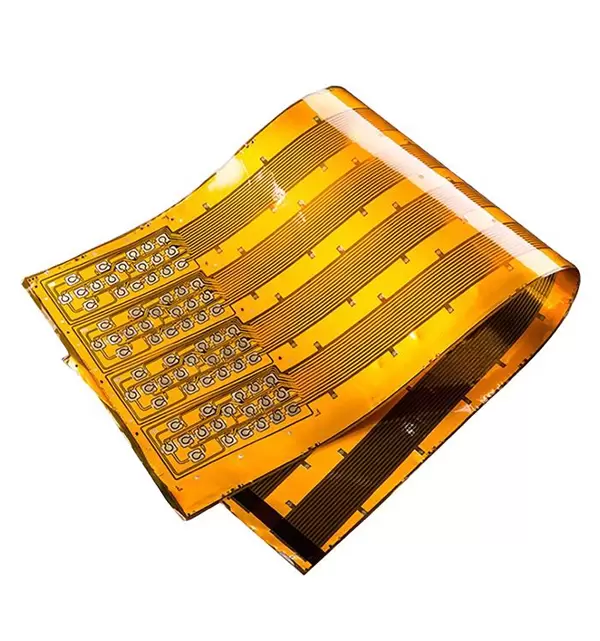
Flexible PCB (FPC): used for folding, bending, moving, or tight 3D packaging
Rigid-flex: combines both, often used where reliability is critical and connectors need to be reduced
2.3 Assembly Methods
THT (Through-Hole Technology)
Components have leads which passing through drilled holes and be soldered on the opposite side
Strong mechanical connection
Common for high-stress connectors, power components, transformers, large capacitors, and anything that gets tugged, screwed, or repeatedly mated
SMT (Surface Mount Technology)
Components are placed on pads and soldered by reflow
Fast, supports high density and miniaturization
Preferred for most modern electronics, especially where size and performance matter
Most products use both methods for assembly: SMT for density and speed, THT for strength and power handling.
3. Top Applications of PCBA Across Industries
3.1 Consumer Electronics
Where you see PCBA: smartphones, tablets, laptops, wearables, TVs, speakers, smart home household appliances.
What matters most:
High density: fine-pitch components, tight spacing, multi-layer routing
Stable reflow process: consistent solder joints across massive volumes
Cosmetic + functional quality: modern products expect low defect visibility and strong consistency
Signal performance: high-speed interfaces demand controlled routing and clean reference planes
In consumer electronics, the PCBA is often the product’s identity—especially in compact devices where everything is integrated and “board space” is the most scarce.
3.2 Industrial Equipment
Where you see PCBA: industrial automation, robotics, PLC modules, power inverters, instrumentation, sensing and monitoring nodes.
What matters most:
Durability: long working, thermal cycling, vibration, electrical noise
Power integrity: robust copper for current paths, stable grounding
Environmental resistance: humidity, dust, chemicals, and sometimes outdoor exposure
Industrial PCB boards often fail in predictable places: connector stress, power sections, and any area where heat and vibration live together. This is where process discipline (plating quality, solder joint control, inspection coverage) becomes a real-world cost saver.
3.3 Medical Devices
Where you see PCBA: imaging equipment, monitors, wearable sensors, infusion devices, diagnostic instruments, implant-adjacent controllers.
What matters most:
Reliability and traceability: defectives are unacceptable; documentation and testing expectations are rigorous
Miniaturization without compromise: compact devices still need robust power and clean signals
Clean assembly: residue control and process hygiene
Consistency across builds: design changes and substitutions require careful control
Medical electronics often combine sensitive analog signals with digital processing, which increases the need for good grounding, shielding, and careful layout—then demands manufacturing consistency to preserve the intention of design.
3.4 Automotive Applications
Where you see PCBA: infotainment, clusters, body control modules, sensors, ADAS units, lighting drivers, EV subsystems.
What matters most:
Temperature and vibration tolerance: harsh mechanical and thermal environment
Long lifecycle stability: sustained supply and consistent build quality over time
Connector robustness: repeated mating cycles, harness loads, and shock exposure
System reliability expectations: fault handling and stable performance under noise and transients
Automotive is where “it worked on the bench” is not enough. The PCBA must survive long-term stress and maintain stable electrical behavior under real driving conditions.
3.5 Aerospace Applications
Where you see PCBA: avionics, satellite subsystems, communication modules, sensor payload electronics, monitoring and power control.
What matters most:
Extreme reliability: minimal tolerance for defects
Weight and space: high integration in constrained packaging
Thermal + vibration endurance
Verification discipline: inspection and test plans become a central part of the deliverable
This category is less about “fast” and more about “never fail,” which changes how you choose materials, how you validate processes, and how you control production.
3.6 LED & Lighting Applications
Where you see PCBA: residential/commercial lighting, automotive lighting, medical and specialty illumination, signage, backlights.
What matters most:
Thermal management: heat is critical and fatal for LED
Consistent soldering: LED performance and reliability are sensitive to solder quality
Optical and mechanical constraints: reflective surfaces, placement accuracy, mounting alignment
Power stage stability: drivers and conversion circuits must hold up under heat
In lighting, the board isn’t just an electrical platform—it’s also a part of the thermal system, and that affects everything from material choice to stackup.
3.7 Telecommunications
Where you see PCBA: routers, base station sub-assemblies, signal processing hardware, timing modules, power distribution, outdoor communication equipment.
What matters most:
Signal integrity: high-speed interconnects, clean return paths, impedance control
Low loss and stable performance: especially as frequency rises
EMI control: good grounding, shielding integration, clean routing
Outdoor resilience: for field equipment—moisture, temperature, dust
3.8 Military & Defense
Where you see PCBA: communications, radar support electronics, detection and control systems, ruggedized field instrumentation.
What matters most:
Rugged reliability: shock, vibration, thermal stress
Documentation and traceability: process history matters
Stable supply and controlled changes: substitutions and revisions must be managed carefully
Testing depth: inspection and verification tend to be more comprehensive
Defense programs vary widely in requirements, but they commonly share one expectation: the build must be repeatable and defensible.
3.9 Safety & Security Equipment
Where you see PCBA: cameras, access control devices, smoke detectors, motion sensors, alarms, smart locks, IoT security nodes.
What matters most:
Always-on stability: long operating time, low drift, resistance to environmental noise
Connectivity reliability: wireless + power integrity + firmware stability
Weather resistance: outdoor deployments may require additional protection strategies
Cost-performance balance: many products ship in high volumes but must remain dependable
Security products often operate in outdoor environments, so assembly quality, residue control, and consistent inspection make a noticeable difference in failure rates.
3.10 Maritime Applications
Where you see PCBA: navigation systems, autopilot stabilization electronics, engine monitoring, communication modules, power distribution.
What matters most:
Moisture and corrosion resistance
Vibration and mechanical shock: rough environments and heavy-duty equipment
Connector and enclosure interfaces: sealing and mounting become part of the reliability
Stable performance under electrical noise: motors and power systems can be harsh and affect negatively
Marine electronics look normal on a spec sheet but demand more attention to corrosion risk, enclosure design, and long-term durability.
4. How PCB Design Impacts Applications
A PCBA doesn’t “fail” or “pass” because of one factor—it’s usually the design choices that set the reliability ceiling long before manufacturing starts. Here are the design levers that most directly change how a board performs in different industries.
Layout and Routing Decide Real-World Stability
Good schematics can still become to unstable hardware if the layout is careless. Routing choices determine:
Noise and cross-talk between signal lines (especially clocks, high-speed data, sensitive analog)
Return path continuity (whether current can flow back cleanly through ground planes)
Power integrity (voltage droop, ripple, and transient behavior under load)
EMI performance (whether the board becomes an unintended antenna)
In practice: consumer and telecom products often need tight control over high-speed routing, while industrial and automotive boards usually need robust power routing and strong grounding to resist harsh electrical environments.
Material Selection Is Not “Optional”
The substrate and stack-up aren’t just mechanical choices—they change electrical and thermal behavior:
FR-4 works for many designs, but high-speed/high-frequency circuits may need low-loss laminates to reduce insertion loss and other risks.
Higher thermal and mechanical stress environments may need higher Tg materials to reduce warpage and improve long-term stability.
For heat-heavy assemblies, material selection affects dimensional stability, plating reliability, and assembly yield.
A good rule: if the product runs hot, runs fast, or runs for years, materials matter more than expected.
HDI Enables Small Devices With Good Performance
For compact products (wearables, smartphones, modules, AI hardware), HDI isn’t just about “making it smaller.” It helps you:
Improve dense packages (fine-pitch BGAs, high pin-count processors)
Shorten interconnect paths, which improves signal integrity and reduces EMI
Increase routing capacity without enlarge board size
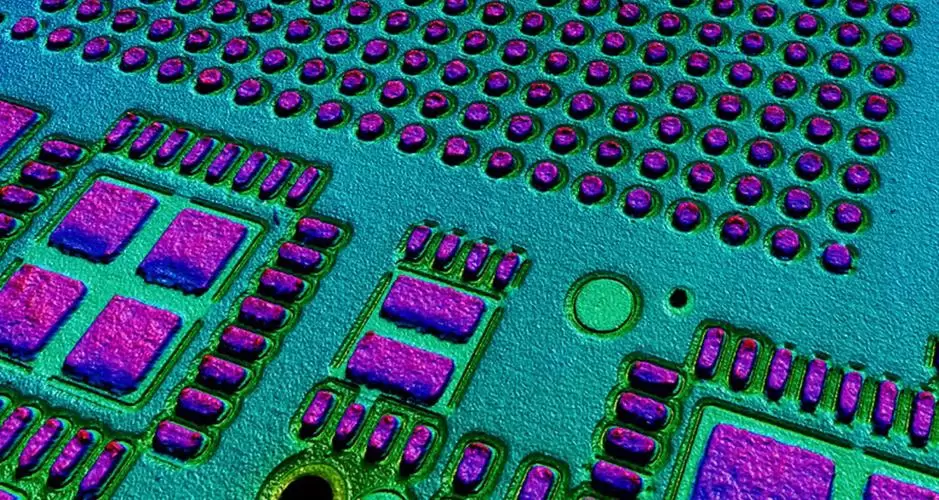
Support advanced structures like microvias, blind/buried vias, and via-in-pad
Flexible and Rigid-Flex: Reduce Connectors and wires
In wearables, automotive modules, and aerospace systems, the PCB may need to bend, fold, or survive from continuous vibration. Flex and rigid-flex PCB could:
Replace fragile connectors and cables with a single integrated interconnect
Improve reliability in moving assemblies (hinges, folding structures, tight packaging)
Enable 3D layouts where rigid boards simply can’t fit
They also introduce special DFM needs—bend radius rules, overlay design, and controlled stiffener placement.
Thermal Management for LED Driver and Power Electronics Reliability
For LEDs and power-dense boards, thermal design is usually the #1 lifetime factor. The design must control and well-balance:
Heat spreading through copper and planes
Thermal vias and via arrays under hot components
Component placement to avoid heat stacking
Board construction choices (thicker copper, metal-core boards where needed)
If thermal paths are weak, you’ll see early degradation: color shift in LEDs, unstable power regulation, and long-term solder joint fatigue.
5. Trends Shaping PCB and PCBA Technology
Flexible and wearable growth
More products need boards to bend, fold, and fit into 3D spaces—especially wearables, compact medical monitors, and modern automotive modules.
AI-assisted engineering workflows
DFM checks and inspection systems are becoming smarter. That doesn’t replace engineering, but it can reduce repeated mistakes—especially in high-mix production.
Eco-friendly compliance and process discipline
Lead-free and cleaner processes continue to push tighter control of profiles, finishes, residues, and storage.
Integration with IoT, 5G, and advanced automotive electronics
These domains raise expectations for signal integrity, power stability, and test coverage, because “intermittent instability” is now a product-killer.
6. Choosing the Right PCB Manufacturer for Your Application
Different applications demand different strengths. When evaluating a partner, look beyond a simple capability list and ask how the process is controlled.
Key areas to confirm:
Certifications and standards alignment (ISO/IPC expectations for your market)
Board and assembly capability: layers, density, special materials, mixed assembly
Quality control coverage: AOI, X-ray where needed, electrical testing, functional test support
DFM feedback quality: does the supplier actively prevent risk, or only build what you sent?
Supply chain maturity: component sourcing strategy, alternates control, traceability options
Communication: fast questions early prevent slow failures later
For buyers, a good manufacturer is the one that makes problems visible early—before they become schedule delays or field failures.
7. Conclusion
PCBA is the center of modern electronics. It’s inside consumer devices, industrial systems, medical tools, vehicles, aircraft, telecom equipment, and security infrastructure.
The practical is simple: application defines priorities.
Consumer: density, consistency, scale
Industrial: durability and stability
Medical: reliability and controlled processes
Automotive: temperature + vibration endurance
Telecom: signal integrity and EMI discipline
Marine: corrosion resistance and rugged design
When your board application is clear, everything else becomes easier: the right stack-up, the right materials, the right assembly method, and the right test strategy. And when PCB fabrication and assembly are planned together—rather than treated as separate steps—your design has a much better chance of reaching production smoothly.
If you’re planning a new build or upgrading an existing design, pairing a solid PCB Fabrication Service with a reliable PCBA Manufacturing Service is often the fastest path to stable performance and predictable delivery.
About the auther:

Sonic Yang
As a major of Electronics and Mechanical Automation, Sonic has been engaged in PCB design, R&D, manufacturing of eletronics for around 22 years, as engineering director and coordinates with supply chain(components&CNC parts), providing professional supports and consults for global customers.

 en
en

 WhatsApp