Blood glucose meter pcb assembly forms the foundation of many medical devices that help millions manage diabetes. Over 500 million people worldwide rely on medical technology for accurate glucose monitoring. Precision matters, as even small variability in measurements can lead to significant changes in insulin dosage. The table below shows how accuracy affects patient outcomes:
Glucose Meter Variability | Impact on Insulin Dosage | Clinical Significance |
Analytical variability of 5% | 8–23% variation in insulin doses | Significant impact on patient management |
Benlida Circuit and Shenzhen Multilayers CeramicPCB offer advanced solutions that support reliability and safety. This guide explains the process in clear and simple steps.
Blood Glucose Meter PCB Assembly Basics
What Is a PCB Assembly
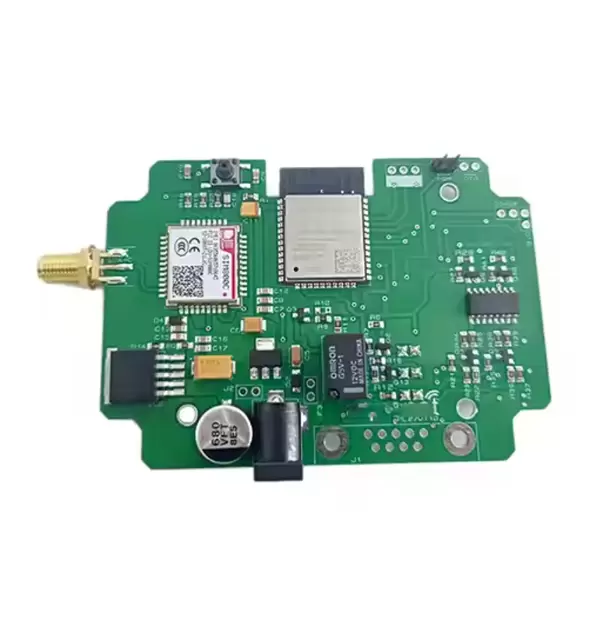
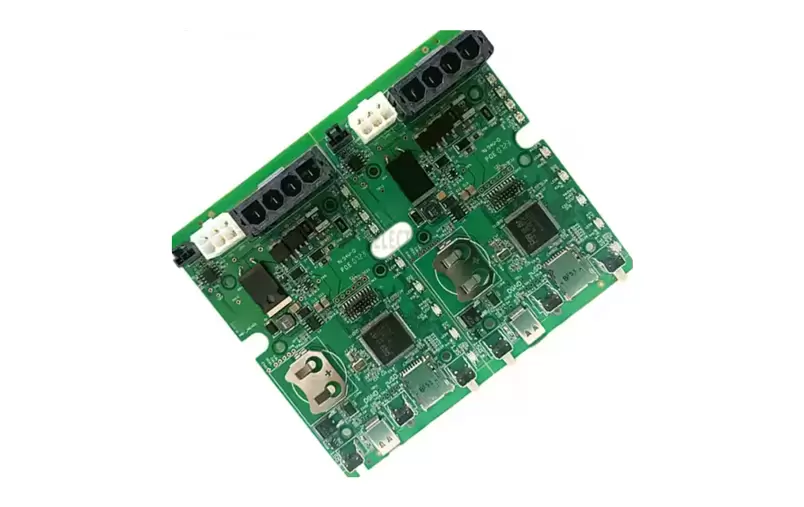
A printed circuit board (PCB) assembly is the process of mounting electronic components onto a board that connects and controls their functions. In medical devices, such as blood glucose meters, PCB assembly forms the backbone of the device. The board holds sensors, microcontrollers, and other parts that work together to measure glucose levels. The assembly process involves careful placement and soldering of each component to ensure reliable operation.
The main components in blood glucose meter PCB assembly include:
Component | Description |
Signal Conversion | Converts weak microcurrent signals into measurable voltage signals using high-precision amplifiers. |
Data Processing | Processes analog signals with a low-power MCU, compensating for temperature and storing results. |
Interface Control | Manages user interactions, including display control and button recognition. |
Power Regulation | Ensures stable voltage for sensitive circuits by removing electronic noise and regulating battery power. |
Benlida Circuit and Shenzhen Multilayers CeramicPCB represent advanced PCB technology. Their boards use high-performance materials and precise manufacturing methods. This ensures that medical devices operate safely and accurately.
Role in Glucometer Devices
The PCB assembly plays a critical role in glucometer function. It connects the test strip sensor to the internal electronics. The board amplifies and filters the analog signal from the glucose test strip. It then converts the signal into digital data for processing and storage. The assembly also manages power regulation, keeping the device stable during battery operation.
Key functions of PCB assembly in glucometers include:
· Analog signal acquisition from glucose test strips or sensors
· Signal amplification, filtering, and noise suppression
· Digital processing and data storage
· Power regulation for battery-operated operation
· Interface support for displays, buttons, and wireless modules
The design of the PCB must meet strict medical standards. Advanced materials, such as ceramics, improve thermal management and signal integrity. Benlida Circuit’s expertise in manufacturing medical PCBs ensures that glucometers deliver accurate results and reliable performance.
Manufacturing Steps
PCB Design for Glucometer
The design phase sets the foundation for blood glucose meter pcb assembly. Engineers create detailed schematics that define how each component connects and interacts. The design must support the working principle of flexible pcb in glucose test strips, which relies on high-sensitivity electrode array design to detect glucose levels accurately. Designers select layouts that minimize noise and maximize signal integrity. Flexible printed circuits allow the device to remain compact and reliable. The design process includes preparing output files for manufacturing and ensuring all specifications meet medical standards.
Material Selection (FR-4, Ceramic, High-Tg)
Material selection impacts the performance and durability of medical devices. FR-4 is a common substrate, but advanced ceramic materials like Alumina and Aluminum Nitride offer superior thermal management. High-Tg materials withstand higher temperatures during manufacturing. Ceramic substrates, such as those used in Shenzhen Multilayers CeramicPCB, provide excellent heat dissipation and stability. Flex materials are essential for flex pcb for glucometer test strip, enabling miniaturization and maintaining signal quality. Choosing the right material ensures the device operates safely and accurately.
Tip: Ceramic boards improve reliability in high-power and high-temperature environments, while flex materials support compact designs.
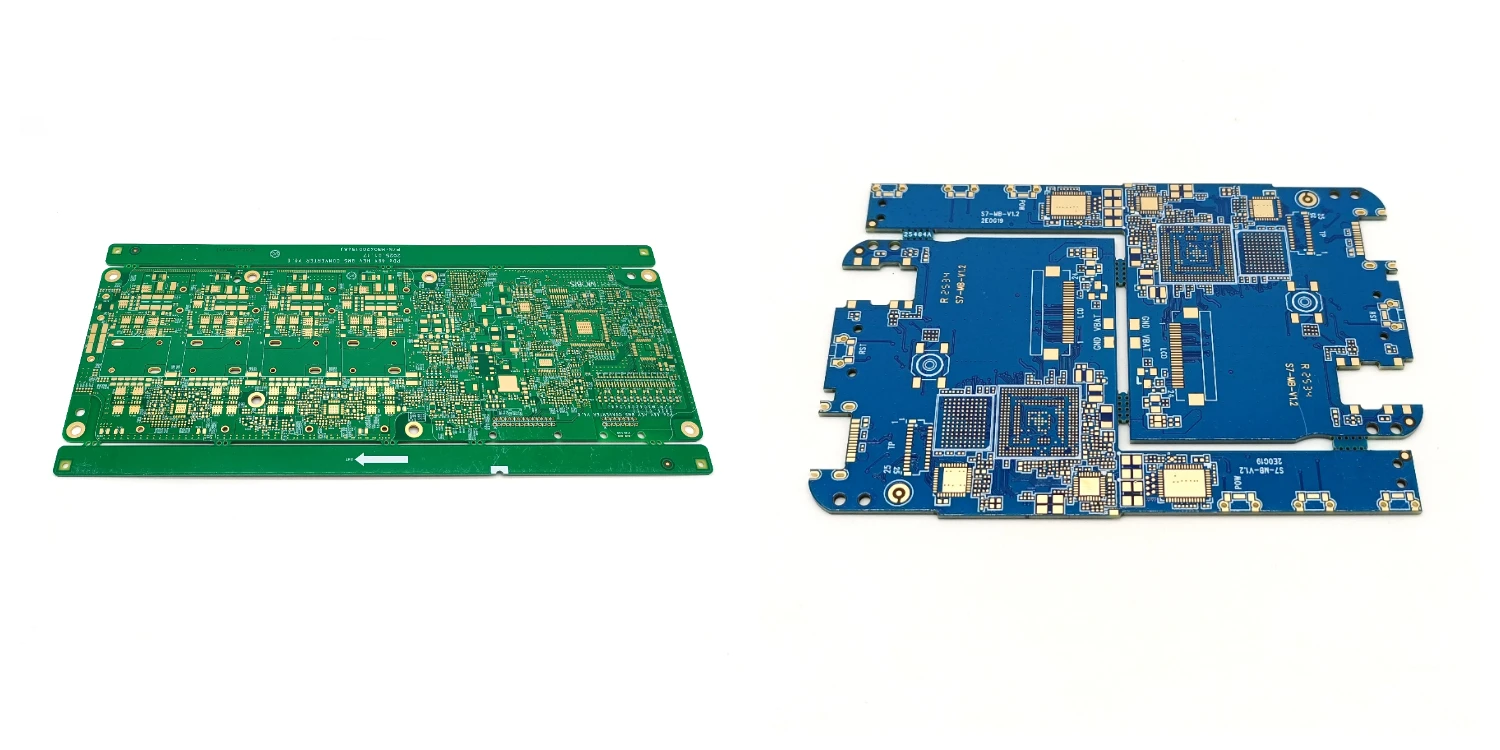
PCB Fabrication Process
Manufacturing the PCB involves several precise steps. Each step must meet strict tolerances to ensure accuracy in blood glucose meter pcb assembly. The process includes:
1. Design and output file preparation
2. Printing the PCB design
3. Creating the substrate
4. Laminating and imaging
5. Etching the inner layers
6. Layer alignment and lamination
7. Drilling
8. Plating
9. Solder mask application
10. Silkscreen printing
11. Surface finish
12. Final cutting and profiling
Manufacturers use advanced equipment to achieve tight tolerances. For example, minimum line and spacing can reach 4mil/4mil, and assembly accuracy is ±0.03mm. These specifications ensure the device can detect glucose levels with high precision.
Specification | Value |
Layer Count | 4 Layers |
Material | Shengyi S1000-2M |
Board Thickness | 8mm |
Copper Thickness | 1oz (Inner & Outer) |
Min Line/Spacing | 4mil/4mil |
Surface Finish | ENIG |
Certifications | ISO 13485, IPC Class 3, UL 94V-0 |
Application | Handheld Portable Blood Glucose Detection Devices |
Component Placement
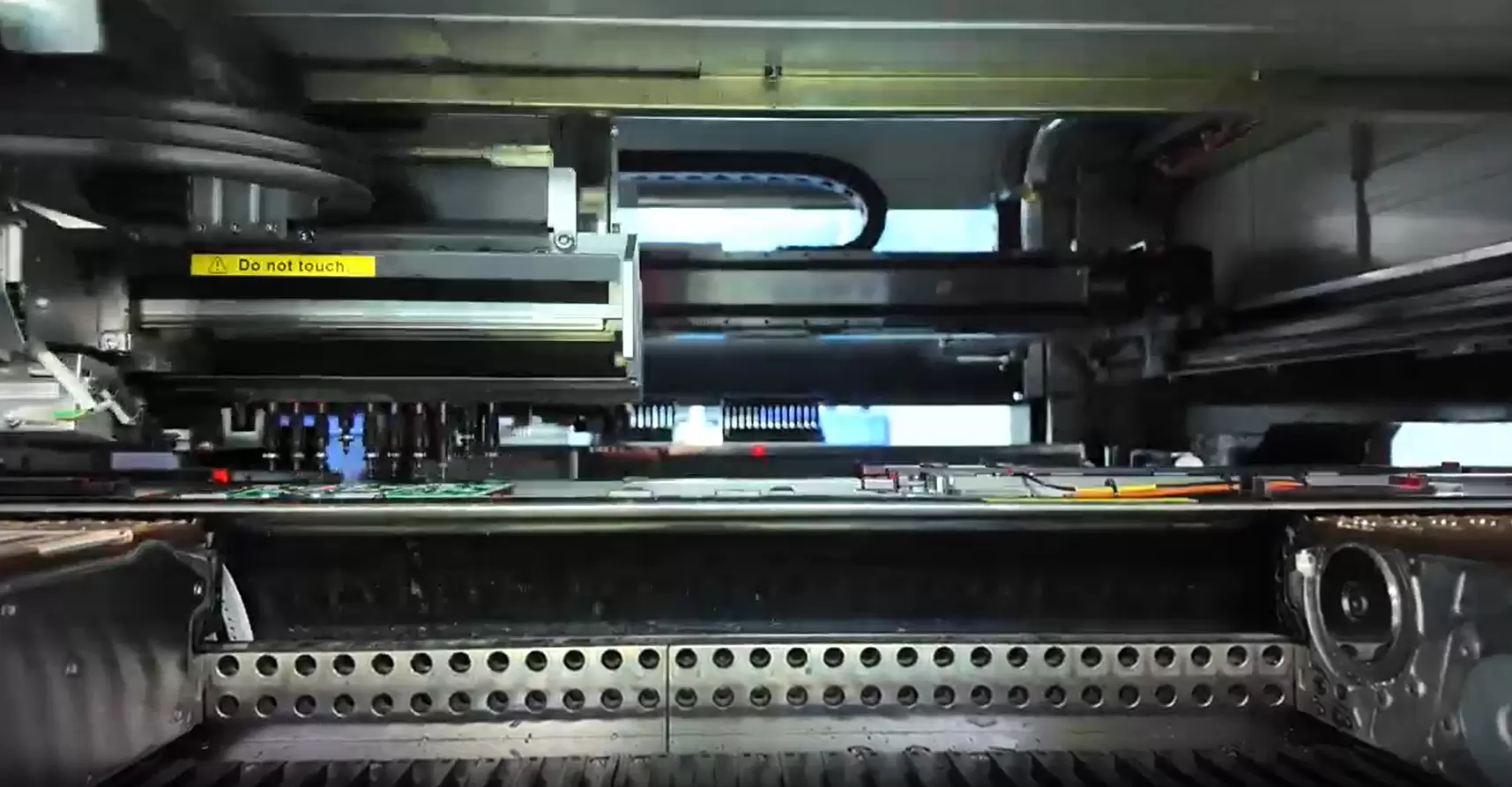
Component placement is a critical step in medical pcb assembly. Automated machines place each part with repeatable accuracy. Controlled solder paste printing ensures proper alignment and flow. Stable reflow profiles contribute to consistent results. Automation benefits complex designs, such as those with fine-pitch ICs and BGAs. Flex pcb for glucometer test strip requires precise placement to maintain signal integrity and support miniaturization. Incoming inspection and calibrated equipment help maintain precision throughout the process.
· Automated assembly provides repeatable placement accuracy.
· Controlled solder paste printing enhances quality.
· Efficient inspection processes reduce defects.
· Automation supports complex designs and flex applications.
Soldering and Assembly
Soldering joins components to the board, forming robust electrical connections. Surface mount technology (SMT) is used for most parts. Adhesive curing stabilizes components before reflow soldering. Automated inspection verifies solder paste deposits to minimize defects. Reflow soldering creates strong joints in a controlled environment. Post-reflow inspection detects issues like shorts or inadequate wetting. Cleaning removes residue, improving durability and performance.
Step | Description |
1 | SMT Component Placement: Accurate placement using pick-and-place machines. |
2 | Adhesive Curing: Stabilizes parts before soldering. |
3 | Solder Paste Inspection: Automated checks for defects. |
4 | Reflow Soldering: Controlled temperature forms robust joints. |
5 | Post-Reflow Inspection: Quality checks for issues. |
6 | Cleaning: Removes residue for durability. |
Soldering Technique | Impact on Reliability |
High-precision SMT placement | Ensures accurate placement of fine-pitch components |
Controlled soldering profiles | Protects sensitive integrated circuits |
Support for microcontrollers and sensors | Enhances performance of low-noise analog components |
Functional testing and calibration support | Ensures repeatable performance across production volumes |
Inspection and Testing
Inspection and testing guarantee the quality and reliability of blood glucose meter pcb assembly. Multiple methods check for defects and ensure compliance with medical standards. End-to-end quality control includes X-ray inspection, in-circuit testing, and product traceability. Electrical testing verifies continuity, isolation, and signal integrity. Environmental tests simulate real-world conditions, such as thermal cycling and vibration. EMC testing ensures the device meets regulatory requirements for emissions and immunity.
Inspection Method | Description |
End-to-End Quality Control | Multiple inspections including X-ray, ICT, and traceability systems. |
Electrical Testing | Continuity, isolation, signal integrity, and burn-in tests. |
EMC Testing | Compliance with IEC 60601-1-2 and ESD immunity ≥8kV. |
Environmental Testing | Thermal cycling, salt spray, vibration tests. |
Final Integration and Packaging
Final integration combines the PCB with other device components. The process starts with providing the substrate and chip. The chip attaches to a film with variable viscosity, then releases for mounting. Multi-point support ensures safe demolding. The chip transfers to the mounting area and attaches with low-stress adhesive. Temperature, pressing strength, flatness, and adhesive thickness are controlled. Plastic encapsulation protects the chip using special materials and molds. Reliability tests evaluate the adaptability of the encapsulating material and substrate.
Step | Description |
S1 | Provide substrate and chip. |
S2 | Attach chip to film and trigger viscosity release. |
S3 | Multi-point support during demolding. |
S4 | Transfer chip to mounting area and attach with adhesive. |
S5 | Control temperature, pressing strength, flatness, and adhesive thickness. |
S6 | Plastic encapsulation using special materials. |
S7 | Reliability tests for adaptability. |
Flex pcb for glucometer test strip plays a vital role in miniaturization and signal integrity. Flex materials allow the device to remain compact and reliable, supporting the high-sensitivity electrode array design needed for accurate glucose detection. The manufacturing process ensures each step meets strict medical standards, resulting in safe and effective medical devices.
Medical PCB Assembly Considerations
Quality and Safety Standards
Medical pcb assembly for blood glucose monitoring systems must meet strict quality and safety standards. These standards protect users and ensure accurate results. The process includes checks for accuracy, reliability, and safety. Devices must not overheat or cause electrical hazards. The table below shows important safety standards:
Safety Standard | Description |
Electromagnetic Compatibility | Ensures that the device does not emit electromagnetic interference and can operate in its environment without disruption. |
Overheating Protection | Prevents the device from overheating, which could lead to failure or safety hazards. |
Fire Prevention | Implements measures to avoid fire risks associated with electrical components. |
· Accuracy is essential for precise diagnosis and treatment.
· Reliability is critical for continuous operation and prevents failures.
Benlida Circuit demonstrates expertise in medical pcb assembly by following ISO 13485 and other quality management systems. Their tailored solutions support custom sizes, shapes, and specialized coatings for different medical applications.
Regulatory Compliance
Medical pcb manufacturing must comply with international and regional regulations. These rules ensure that medical devices are safe and effective. The table below lists common regulatory standards:
Regulatory Standard | Description |
UL | Underwriters Laboratories certification for safety standards |
IEC | International Electrotechnical Commission standards for electrical devices |
CE | Conformité Européenne marking for products sold in the European Economic Area |
FDA | U.S. Food and Drug Administration regulations for medical devices |
ISO | International Organization for Standardization for quality management systems |
Manufacturers must follow FDA and CE requirements for blood glucose meter PCBs. These rules cover safety, effectiveness, and quality. ISO 13485 sets guidelines for safety, traceability, and risk management during production. This ensures reliable medical pcb assembly for electrochemical analysis of glucose concentrations.
Wireless and High-Frequency Features
Modern medical pcb assembly often includes wireless and high-frequency features. Many blood glucose meters use Bluetooth or NFC to connect with smartphones. This allows users to sync data, view real-time results, and track trends. The application can store historical data and show glucose levels over time. Flex circuits make these features possible by supporting compact designs and user-friendly interfaces.
· Flex technology enables miniaturization and reliable signal transmission.
· Flex circuits support the integration of wireless modules.
· Flex designs allow for custom shapes and easy handling.
· Flex materials improve durability in portable medical devices.
· Flex pcb supports the sensitive detection needed for accurate glucose readings.
Benlida Circuit uses advanced flex and ceramic materials to meet the demands of modern medical pcb assembly. Their experience ensures that each process step supports safety, reliability, and innovation.
The manufacturing of medical blood glucose meters relies on careful design, advanced flex materials, and strict safety standards. Key aspects include the use of biocompatible flex substrates, gold plating, and multilayer flex designs for reliability and safety:
Key Aspect | Details |
Material Selection | Biocompatible flex materials and gold plating improve reliability. |
Testing Standards | Compliance with ISO and IPC standards ensures medical device safety. |
Design | High-density flex connectors maintain compactness and performance. |
Challenges | Flex materials help prevent moisture and signal loss in medical devices. |
Advanced flex engineering supports accurate glucose detection. Flex circuits enable compact medical devices, while microwave technology and dual bandpass filters improve glucose sensitivity. Machine learning models further enhance glucose measurement precision. Trust Benlida Circuit for reliable flex-based medical PCB assemblies.
About the author:

Sonic Yang
As a major in Electronics and Mechanical Automation, Sonic has been engaged in PCB design, R&D, and manufacturing of electronics for around 22 years, as the engineering director, and coordinates with the supply chain(components and CNC parts), providing professional support and consulting for global customers.

 en
en


 WhatsApp