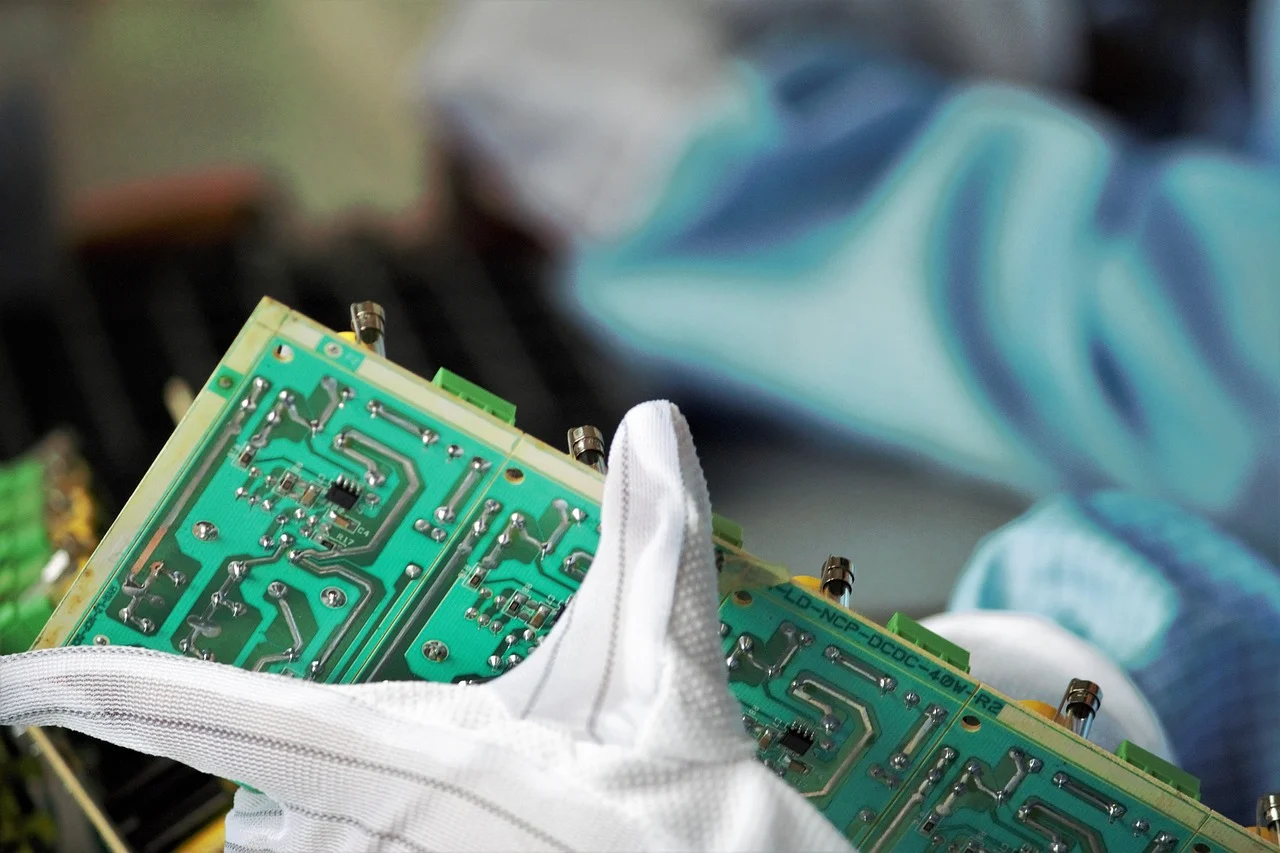
A PCB controller acts as the brain of an electronic system. It manages signals and coordinates operations among components. The precision of PCB assembly for signal controller determines performance and reliability. Manufacturers use in-process inspections and advanced vision systems to check for defects, alignment, and polarity. Electrical testing and end-of-line evaluations confirm continuity and functional integrity. These steps reduce failures and improve traceability. Careful assembly supports device design and ensures consistent operation.
●A PCB controller is essential for managing signals and operations in electronic devices, ensuring smooth and efficient functionality.
●Quality control in PCB assembly, including in-process inspections and electrical testing, significantly reduces defects and enhances device reliability.
●Choosing the right type of PCB controller, such as microcontrollers or digital signal processors, is crucial for meeting specific application needs.
●Effective signal and power management in PCB design improves performance and extends the lifespan of electronic devices.
●Emerging technologies like IoT and AI are driving innovation in PCB design, leading to more compact and efficient electronic systems.
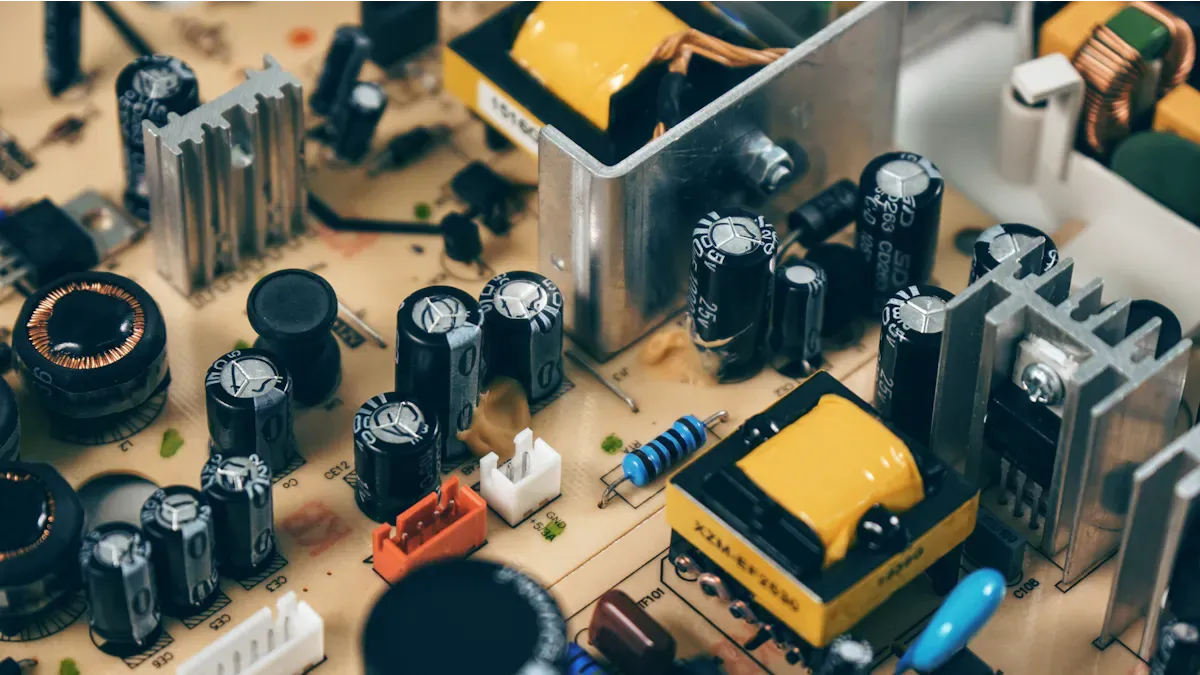
PCB Assembly for Signal Controller in Modern Design
Role of the PCB Controller
A PCB controller forms the core of any electronic device. Engineers often refer to it as the brain of the system because it manages signals and coordinates operations. The pcb assembly for signal controller ensures that the controller receives input signals, processes data, and issues commands to other components. This process allows the device to function smoothly and efficiently.
The PCB controller handles several essential tasks that drive modern electronic design:
●Data Processing: The controller receives input signals, performs calculations, and makes decisions.
●Timing Control: It ensures operations occur in the correct sequence and timing.
●Communication Coordination: The controller manages data exchange between components for smooth interaction.
●Power Management: It regulates power distribution and switches to power-saving modes when necessary.
●Error Detection and Handling: The controller monitors operations, detects anomalies, and takes corrective actions.
A PCB controller processes input signals from various sources and issues commands to other components. This coordination guarantees that each part of the PCB operates as intended. The PCB assembly for signal controller must be precise to support these functions. Engineers rely on the controller to manage timing, communication, and power regulation, which are all vital for device performance.
| Component | Function |
|---|
| Microcontroller/Processor | Executes instructions and makes decisions based on input signals. |
| I/O Interfaces | Enables communication between the controller and external devices. |
| Power Regulation Circuitry | Ensures stable power levels for proper functioning of components. |
The PCB controller acts as the brain of the PCB, managing operations and receiving input signals from various devices. It processes and evaluates information, then sends commands to other components. The PCB assembly for signal controller must support these tasks with high accuracy.
Impact on Device Performance
The quality of pcb assembly for signal controller directly affects device performance. Even minor defects in assembly or soldering can lead to product failures, warranty claims, and recalls. Quality risks often appear early in pcb manufacturing and compound downstream, posing high risks for original equipment manufacturers.
●In-process inspection identifies defects before they propagate, reducing scrap and rework.
●Vision systems check for component presence, alignment, polarity, and surface defects.
●Electrical testing confirms continuity and functional verification.
●Leak or pressure testing ensures sealed electronic assemblies remain reliable.
Simulation testing predicts pcb performance under various conditions. Engineers assess electrical, thermal, and mechanical behavior to identify potential issues early. This process ensures that the pcb controller meets performance and reliability standards. High-quality pcb assembly for signal controller supports consistent operation and reduces the risk of device failure.
A well-designed pcb controller improves signal management, timing, and coordination. The controller regulates power and detects errors, which enhances device reliability. The pcb assembly for signal controller must meet strict standards to deliver optimal performance. Engineers focus on design and assembly quality to ensure that the pcb controller operates efficiently in every application.
What Is a PCB Controller?
Core Functions and Features
A pcb controller serves as the central unit that manages and directs the flow of signals on a printed circuit board. This controller interprets input, processes data, and sends commands to other components. The functions of pcb controller include data processing, timing control, and power management. These features help maintain the stability and efficiency of the pcb.
The definition of a pcb controller has evolved with advancements in electronics.
1. In the 1960s, integrated circuits allowed for smaller and more complex pcb designs.
2. The 1970s and 1980s saw improvements in solder masks and surface mount technology, which increased reliability and enabled the rise of digital devices.
3. By the 1990s, automation through CAD and CAM systems made layouts more accurate and components smaller.
Critical features for high-performance controllers include power requirements, compatibility, memory capacity, reliability, cost, and ease of use. These features ensure that the pcb controller matches the needs of the application and operates efficiently.
| Feature | Description |
|---|
| Power Requirements | Matches the available power supply for the application. |
| Compatibility | Works with the board’s software, hardware, and platform. |
| Memory Capacity | Supports complex systems with higher internal memory. |
| Reliability | Reduces downtime in critical applications. |
| Cost | Fits the application without unnecessary expense. |
| Ease of Use | Remains user-friendly for optimal performance. |
Types of PCB Controllers
Engineers use several types of PCB controllers in modern electronics. Each type offers unique strengths for different applications.
●Microcontrollers (MCUs) control basic operations in household appliances.
●Digital Signal Processors (DSPs) handle fast data in audio and video systems.
●Programmable Logic Controllers (PLCs) manage machines in industrial settings.
●Field-Programmable Gate Arrays (FPGAs) provide flexibility for robotics and aerospace.
●Application-Specific Integrated Circuits (ASICs) optimize performance in devices like smartphones.
The hardware structure and processing capabilities differ among these controllers. For example, microcontrollers use a fixed architecture and process tasks sequentially. FPGAs use reconfigurable logic blocks and can process tasks in parallel. This variety allows engineers to select the best controller for each pcb design.
| Type of PCB Controller | Description | Key Functions |
|---|
| Microcontrollers (MCUs) | Small chips for simple tasks in everyday electronics | Control basic operations in devices like microwaves and washing machines |
| Digital Signal Processors (DSPs) | Used for fast data handling in real-time applications | Process audio and video signals efficiently |
| Programmable Logic Controllers (PLCs) | Designed for industrial automation | Control machinery with high reliability and multiple I/O connections |
| Field-Programmable Gate Arrays (FPGAs) | Reprogrammable chips for flexible applications | Adaptable for robotics and aerospace projects |
| Application-Specific Integrated Circuits (ASICs) | Custom chips for specific tasks | Optimize performance in mass-produced devices like smartphones and gaming consoles |
Tip: Choosing the right PCB controller depends on the available space, system requirements, and the level of integration needed for the pcb.
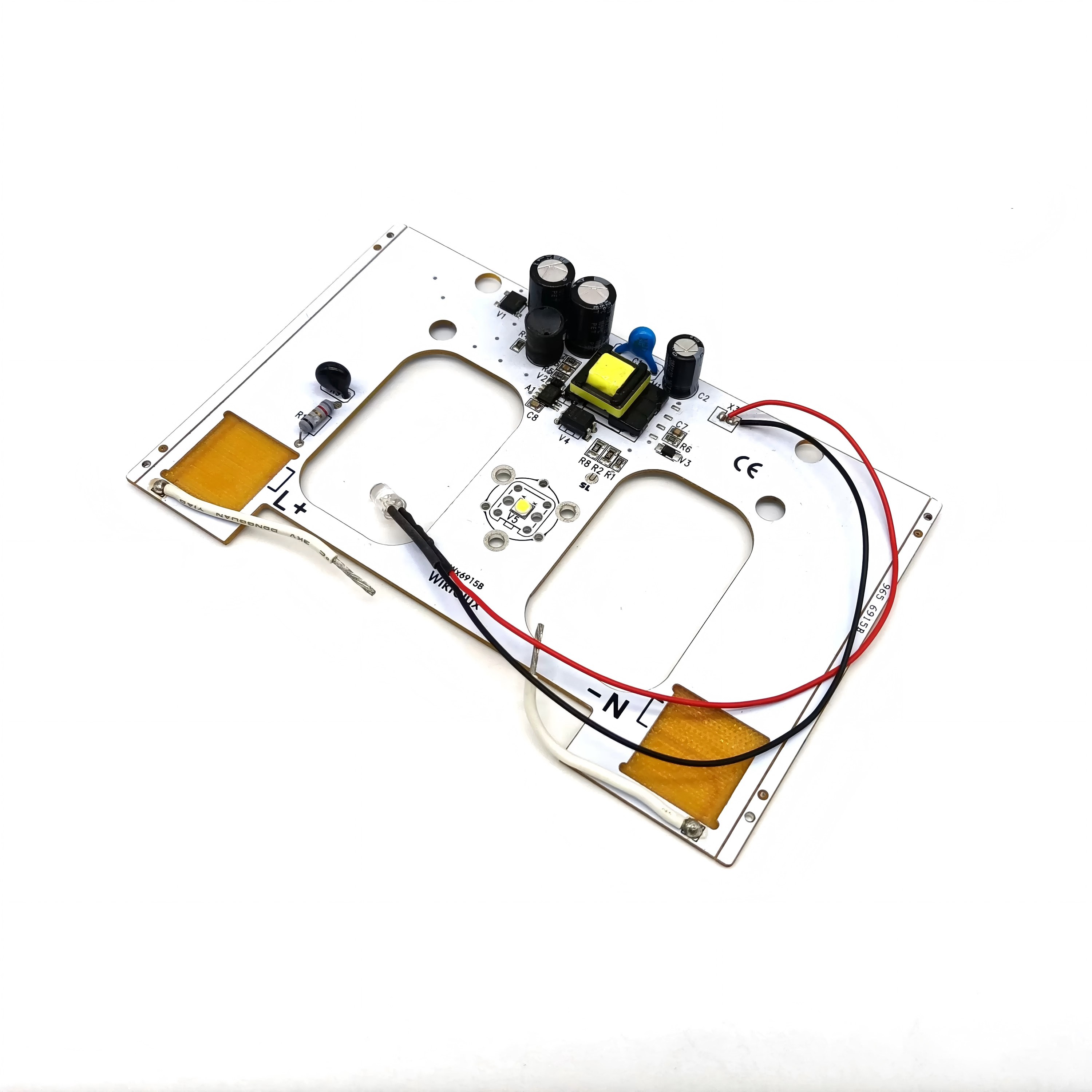
Designing a PCB Controller
Key Components in PCB Design
Engineers consider several critical elements when designing a pcb controller. Each component plays a unique role in ensuring the pcb operates efficiently and reliably. A well-designed pcb controller includes:
●Power handling circuits that manage the energy needs of all components.
●Signal integrity features, such as proper wiring and grounding, to reduce electrical noise.
●Thermal management solutions, including heat sinks and strategic spacing, to prevent overheating.
●A component layout that minimizes interference and simplifies assembly.
●Compliance with industry standards like IPC and RoHS for safety and environmental responsibility.
Component selection also affects both performance and cost. Surface mount devices (SMDs) offer efficient assembly and lower costs due to their small size and compatibility with automation. Through-hole components require more manual labor and increase manufacturing expenses. Advanced packaging components, which have dense pins or special assembly needs, raise costs further because of their complexity.
| Component Type | Size/Insertion Method | Cost Impact |
|---|
| Surface Mount Devices (SMDs) | Small, automatic | Lower cost, efficient assembly |
| Through-hole components | Larger, semi-automatic/manual | Higher cost, lower efficiency |
| Advanced packaging components | Tall/dense pins, special needs | Most expensive due to complexity |
Signal and Power Management
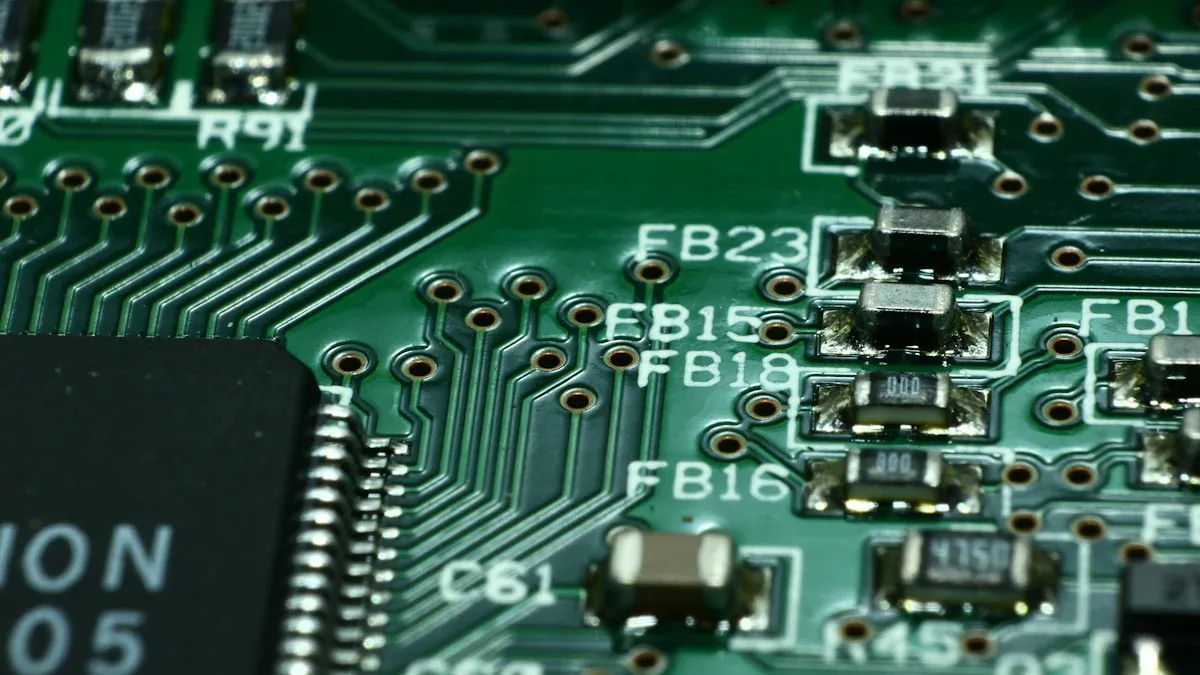
Effective signal and power management ensures the pcb controller delivers reliable performance. Engineers plan the layer stack-up carefully to minimize electromagnetic interference. They use controlled impedance traces for high-speed signals and keep trace lengths short to reduce delays. Proper termination with resistors absorbs reflections and prevents signal loss.
Engineers route high-speed signals on inner layers to shield them from external noise. They separate digital, analog, and power signals to avoid interference. Solid ground planes and decoupling capacitors stabilize the system and maintain power integrity. Differential signaling improves noise immunity in sensitive circuits.
Good power management extends the lifespan of the controller. It reduces heat generation, which protects components and increases reliability. Devices with efficient power management require less maintenance and provide a better user experience.
PCB Assembly Process
Steps for Signal Integrity
The assembly process for a pcb controller follows a series of precise steps to ensure signal integrity and reliable circuit operation. Manufacturers begin with solder paste printing, which prepares the pcb for component placement by applying solder paste to the pads. Automated machines then place components onto the pcb with high speed and accuracy. Reflow soldering heats the circuit in a controlled environment, melting the solder paste and forming strong connections between components and the pcb.
- Solder Paste Printing
- Automated Component Placement
- Reflow Soldering
- Inspection and Quality Control
Engineers use advanced techniques to maintain signal integrity throughout these steps. Impedance matching prevents overshoot in pulse-width modulation signals. Via fencing and power plane segmentation manage electromagnetic fields and stabilize power delivery. Routing strategies balance loads and provide test points for debugging. Isolating analog and digital components minimizes electromagnetic interference. A continuous ground plane shields sensitive circuit traces from digital noise. Multi-layer pcb designs sandwich signals between ground planes for enhanced shielding.
Quality Control in Assembly
Quality control measures play a critical role in pcb assembly for signal controllers. Strict Incoming Quality Control (IQC) prevents downstream issues by checking raw materials before production. Electrical testing verifies that the pcb functions as intended and meets electrical specifications. In-circuit testing checks for shorts, opens, and component values to ensure proper circuit assembly and functionality. Multiple testing stages help detect defects before product release.
| Testing Method | Description |
|---|
| Electrical Testing | Verifies that the pcb functions as intended and meets electrical specifications. |
| In-Circuit Testing | Checks for shorts, opens, and component values to ensure proper assembly and functionality. |
| Multiple Testing Stages | Integrating testing at various stages helps detect assembly defects before product release. |
Manufacturers use high-quality raw materials to ensure overall PCB quality. Quality control failures can impact reliability in several ways. Layer misalignment breaks circuit continuity, leading to failure. Poor via plating causes unreliable connections between circuit layers. Delamination results in structural integrity loss. Trace width inconsistencies create hotspots or performance loss. Burnt components compromise the entire PCB and require full replacement. Environmental factors cause long-term degradation or early failure. Soldering issues introduce various failure modes that affect circuit performance.
Applications of Signal Controller PCBs
Consumer Electronics
Signal controller PCBs play a vital role in everyday consumer electronics. They manage the flow of signals and power, allowing devices to operate smoothly. Many products rely on these controllers for their core functions.
- Communication devices such as smartphones, tablets, smartwatches, and radios rely on a PCB to process and transmit data.
- Computers for personal and business use feature a PCB at the heart of their system.
- Entertainment systems, including televisions, stereos, and video game consoles, use PCB controllers to coordinate audio and visual outputs.
- Home appliances like refrigerators, microwaves, and coffee makers rely on PCB controllers for automation and user interface.
The demand for miniaturized circuits and higher signal integrity continues to rise in this sector. The versatility of PCB controllers supports innovation in both design and functionality.
Automotive and Industrial Uses
Automotive and industrial systems require robust and reliable pcb controllers. These controllers manage complex operations, from engine control to safety monitoring. Microcontroller units process sensor inputs and direct actuators, ensuring precise timing and coordination.
In automotive applications, pcb controllers enhance advanced driver-assistance systems, infotainment, and power management. Industrial automation uses pcb controllers for machine control, predictive maintenance, and real-time monitoring. The global market for pcb mountable terminal blocks is growing, reflecting the need for adaptable and space-efficient designs. Modular terminal blocks reduce assembly time and support various wire sizes, making them essential for modern systems.
Emerging Technologies
Emerging technologies such as IoT and AI devices rely heavily on signal controller PCBs. These controllers act as the brains of the system, processing sensor inputs and executing logic to make decisions. Microcontroller-based devices manage and control operations by generating outputs that direct other components.
The integration of IoT and AI with PCB controllers has transformed industrial equipment management, enhanced automotive system functionality, and improved HVAC technology. These applications of PCB controllers enable remote monitoring, predictive maintenance, and autonomous control. The PCB market continues to grow, driven by the need for high-density interconnects and multi-layer designs in advanced electronics.
PCB assembly for signal controllers advances electronic design by ensuring signal integrity, effective thermal management, and seamless communication between components. Careful design and assembly practices, such as precise component placement and rigorous quality control, lead to reliable, high-performance devices that meet strict design requirements. Industry trends show a shift toward advanced materials, embedded components, and 3D PCBs, paving the way for compact, efficient, and sustainable electronics. The future promises innovations like AI-driven design and biodegradable PCBs, shaping the next generation of smart, adaptable devices.
| Trend | Description |
|---|
| Advanced Materials | New materials like high-frequency laminates and ceramic-based substrates are being used to enhance signal performance. |
| Integration of Embedded Components | The trend towards embedding components within PCBs is growing, allowing for more compact designs. |
| Rise of 3D PCBs | 3D PCBs are becoming essential in industries with strict space and performance requirements, such as aerospace. |
| Implementation of HDI Technology | HDI technology enables denser layouts and finer traces, crucial for reducing signal loss and crosstalk. |
FAQ
What is the main purpose of a signal controller PCB?
A signal controller PCB manages signals and coordinates operations between electronic components. It acts as the central unit that processes data, controls timing, and ensures reliable device performance.
How does quality control impact PCB assembly?
Quality control detects defects early in the assembly process. It ensures that each PCB meets performance and safety standards. This process reduces failures and increases the reliability of electronic devices.
Why do engineers use surface-mount devices (SMDs) in PCB assembly?
Engineers choose SMDs because they allow for smaller, lighter, and more efficient circuit designs. SMDs support automated assembly, which lowers costs and improves production speed.
What industries benefit most from signal controller PCBs?
Industries such as consumer electronics, automotive, and industrial automation, as well as emerging technologies like IoT and AI, benefit most. These sectors require reliable signal management and precise control for advanced device functions.
Can PCB controllers be customized for specific applications?
Yes. Engineers design custom PCB controllers to meet unique requirements. Customization allows for optimized performance, better integration, and enhanced features tailored to the application.
About the author:

Sonic Yang
As a major in Electronics and Mechanical Automation, Sonic has been engaged in PCB design, R&D, and manufacturing of electronics for around 22 years, as the engineering director, and coordinates with the supply chain(components and CNC parts), providing professional support and consulting for global customers.

 en
en

 WhatsApp