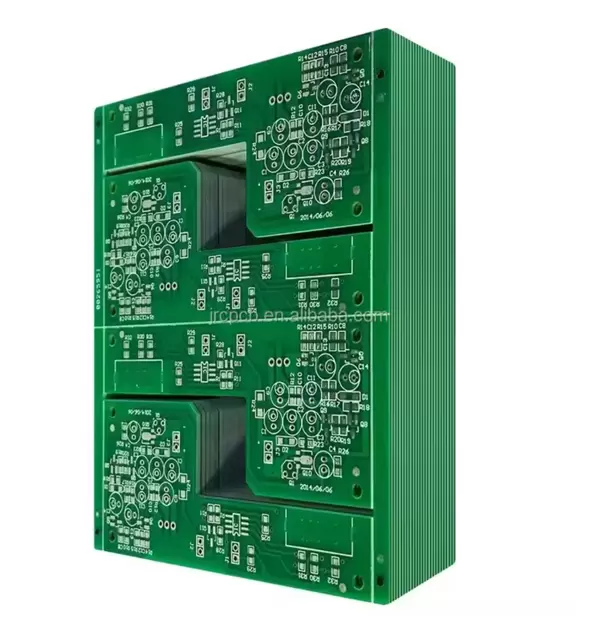
Selecting the right PCB Assembly for Computer Accessory manufacturing can determine product reliability and long-term success. Miniaturized PCB designs, combined with surface mount technology, improve performance by reducing electrical noise and signal distortion. High-quality assembly also protects against damage from vibration and temperature changes. Key business factors such as proximity, equipment quality, operator certifications, and delivery capabilities directly influence production outcomes. Technical and business needs often interact, so evaluating both aspects ensures the best fit for your project.
●Evaluate the technical capabilities of PCB assembly partners to ensure reliability and efficiency in production.
●Consider turnkey services to save time and reduce costs by consolidating tasks under one provider.
●Prioritize quality assurance through comprehensive testing procedures to maintain high performance and reliability.
●Assess the experience of PCB assembly providers in the computer accessory sector to avoid common issues.
●Focus on strong customer service and certifications to ensure a reliable partnership and high-quality outcomes.
Evaluating PCB Assembly for Computer Accessory Manufacturing
Technical Capabilities and Prototype Support
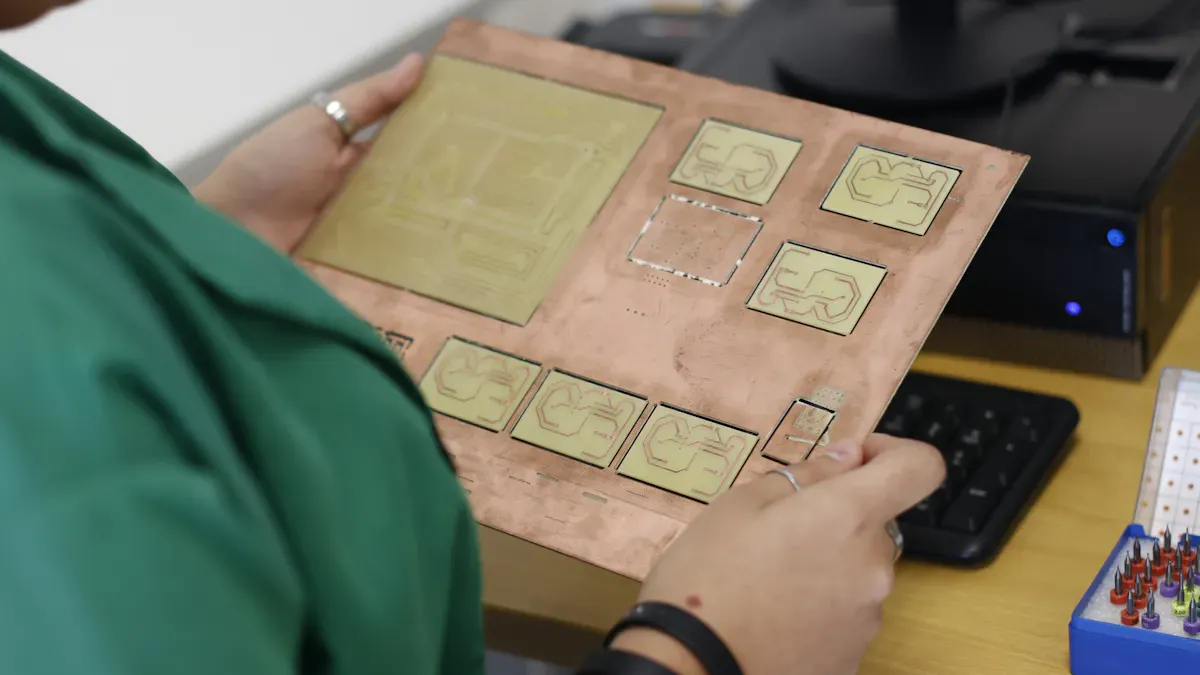
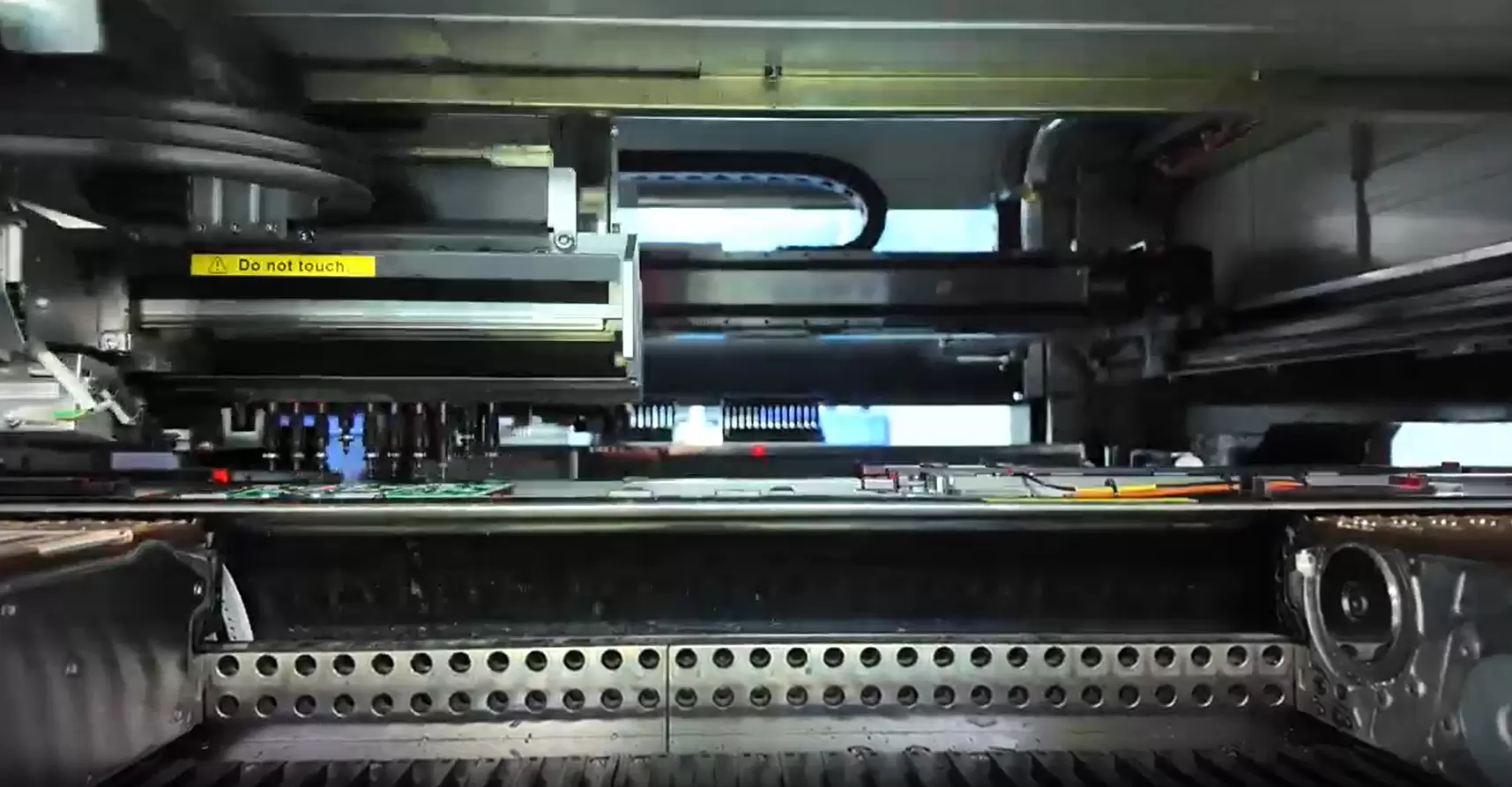
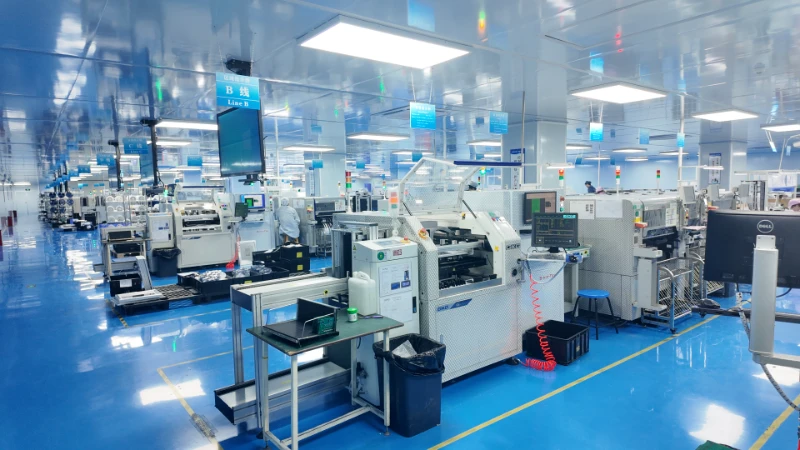
Manufacturers of computer accessories must assess the technical capabilities of any potential PCB assembly for a computer accessory partner. The right provider will offer advanced processes that ensure both reliability and efficiency. Key technical processes include Design for Manufacturing (DFM), Design for Test (DFT), and Surface Mount Technology (SMT). These processes help optimize designs for production, enable thorough testing, and improve the durability of finished products.
| Critical Process | Description |
|---|
| Design for Manufacturing (DFM) | Ensures that the PCB design is optimized for manufacturing efficiency and cost. |
| Design for Test (DFT) | Enables effective testing of the PCB to ensure functionality and reliability. |
| Surface Mount Technology (SMT) | Provides a reliable method for mounting components, reducing failure rates due to environmental factors. |
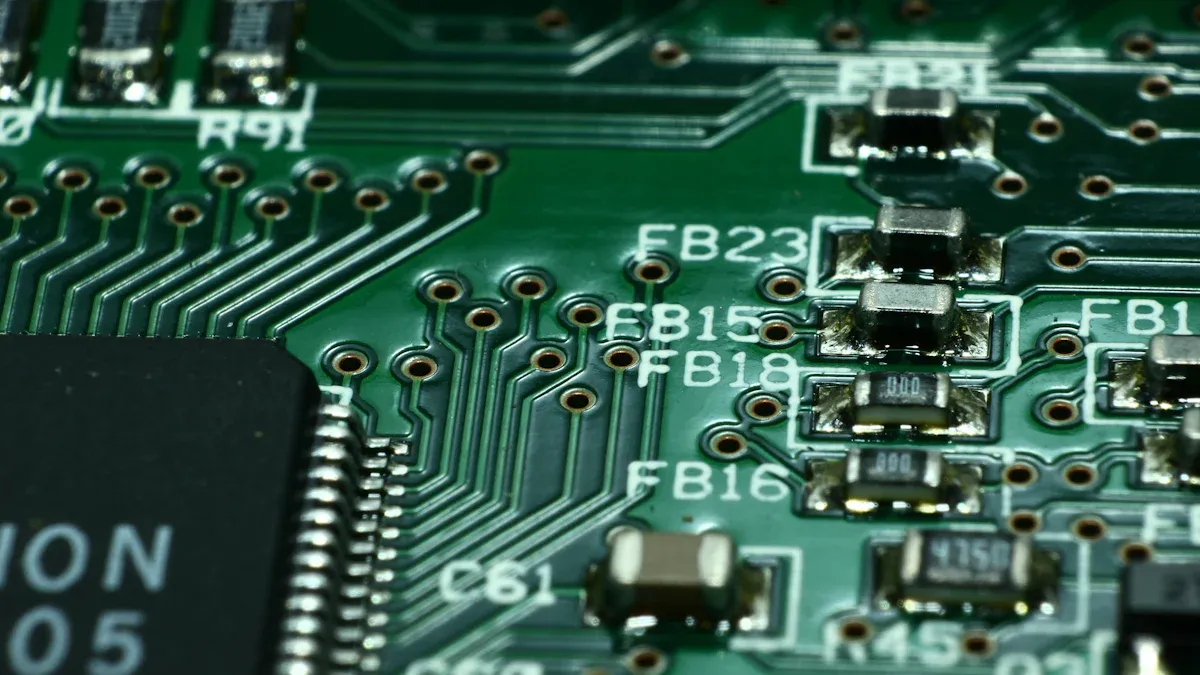
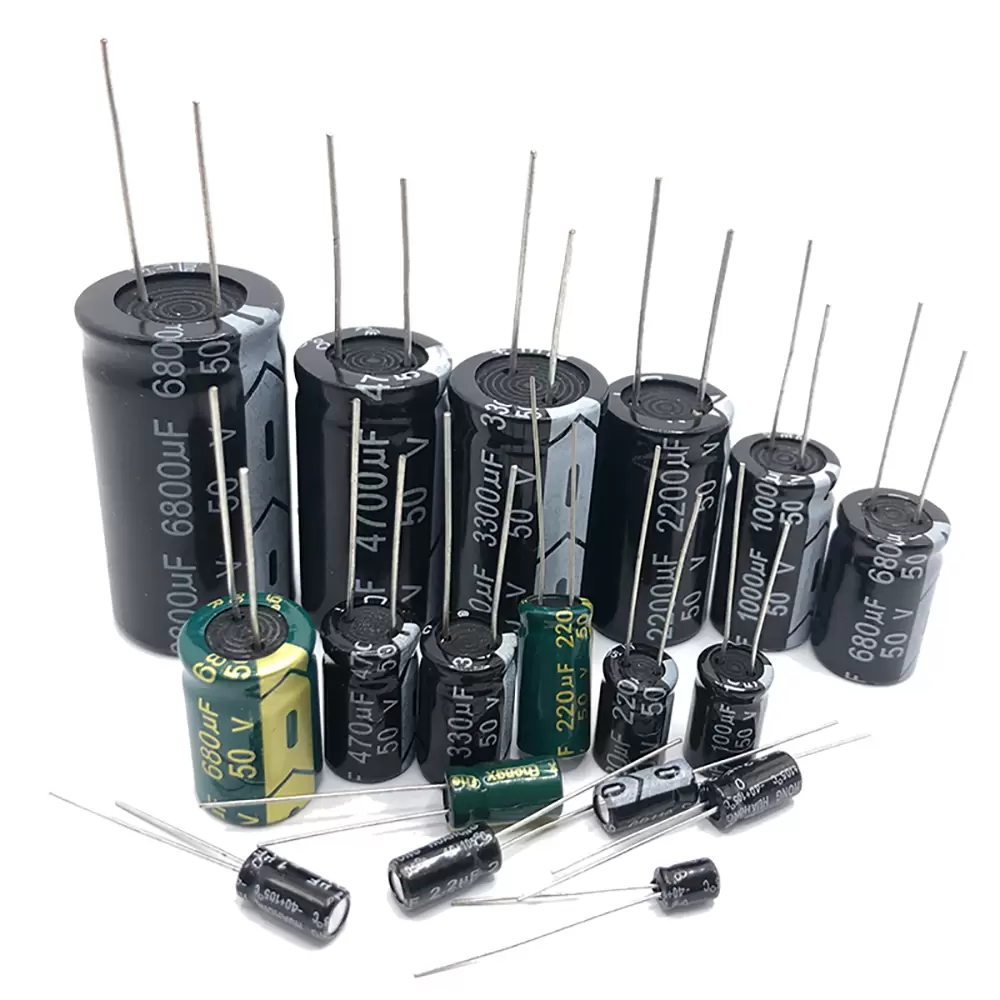
SMT components are more reliable than through-hole components. They resist failure from vibration and shock. Many modern designs use both SMT and through-hole components on the same board, which allows for greater flexibility.
Prototype support is another essential factor. Fast and accurate prototyping helps manufacturers test new designs and make improvements before full-scale production. Most pcb assembly for computer accessory projects requires a prototype turnaround time of 3 to 7 working days. Quick prototyping reduces delays and helps companies stay competitive.
Turnkey Services and EDA Software
Turnkey PCB assembly services offer significant advantages for computer accessory manufacturers. These services handle every step, from sourcing components to final assembly and testing. This approach saves time and reduces costs. The table below highlights the main benefits of turnkey pcb assembly services:
| Benefit | Explanation |
|---|
| Cost Savings | Turnkey services reduce costs through bulk purchasing and streamlined production. |
| Faster Time-to-Market | Consolidation of tasks under one provider accelerates production timelines. |
| Enhanced Quality Control | Integrated testing and inspection protocols ensure high-quality PCBs by catching issues early. |
| Simplified Supply Chain | Reduces the number of suppliers, minimizing complexities and miscommunication in the supply chain. |
Advanced EDA (Electronic Design Automation) software tools play a crucial role in pcb assembly for computer accessory projects. Leading platforms, such as those from Cadence Design Systems Inc. and Siemens EDA, provide specialized tools for schematic capture, simulation, layout creation, and verification. These tools help engineers design accurate wiring diagrams, test system behavior, and confirm that layouts meet all requirements. Analysis tools also assess performance metrics, such as power consumption, which is vital for computer accessories.
Experience with Computer Accessories
Experience matters when selecting a pcb assembly for computer accessory partner. Providers with a proven track record in the computer accessory sector understand the unique challenges of these products. They know how to handle miniaturized designs, high-speed signals, and strict quality requirements. Their expertise helps prevent common issues and ensures that products meet industry standards.
Look for pcb assembly services that can demonstrate experience with similar projects. Ask for case studies or references from other computer accessory manufacturers. A provider with relevant experience will anticipate potential problems and offer solutions before they affect your timeline or budget.
Quality Assurance and Testing
Comprehensive Testing Procedures
Quality assurance is a critical part of electronics manufacturing. Computer accessory manufacturers must use a range of testing procedures to ensure reliability and high performance. Each method targets different types of defects and helps maintain the integrity of printed circuit boards. The following table summarizes the most common testing procedures used in PCB assembly for computer accessories:
| Testing Procedure | Description |
|---|
| In-Circuit Testing (ICT) | Tests populated PCBs for electrical quantities like resistance and capacitance to ensure proper fabrication. |
| Functional Testing | Comprehensive testing of finished PCBs to determine readiness for dispatch, identifying signal problems. |
| Automated Optical Inspection | Inspects surface features for defects such as open and short circuits using machine vision technology. |
| X-ray Inspection | Detects invisible errors in circuit boards, especially useful for ICs and BGA packages. |
| Manual Inspection | Visual inspection of the board to verify specifications and identify defects. |
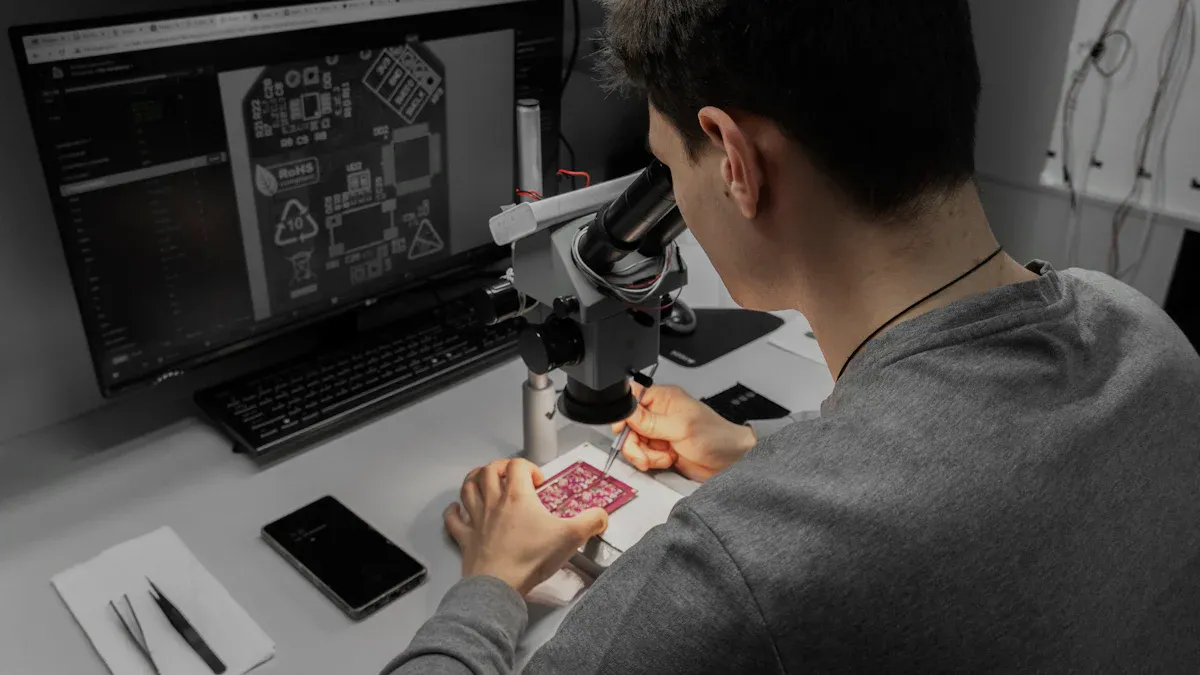
Advanced testing methods, such as Automated Optical Inspection and In-Circuit Testing, play a vital role in defect detection. These techniques allow for early identification of issues, comprehensive component testing, and improved yield. Computer vision-based inspection offers high accuracy and efficiency, making it essential for modern electronics manufacturing. The benefits of these methods far outweigh their challenges, especially as products become smaller and more complex.
Custom Testing Plans
Every computer accessory has unique requirements. A one-size-fits-all approach to quality assurance does not work in this industry. Custom testing plans allow manufacturers to address specific challenges and ensure that each product meets its intended performance standards. For example, accessories that handle high-speed data transfer need specialized tests for signal integrity. Devices exposed to frequent plugging and unplugging require durability assessments.
A custom testing plan may include:
- Selection of appropriate testing procedures based on product complexity.
- Adjustment of test parameters to match the accessory’s operating environment.
- Integration of functional and stress tests to simulate real-world usage.
- Collaboration with the PCB assembly partner to refine test protocols as designs evolve.
Custom plans assure that each batch of printed circuit boards meets strict quality standards. This approach supports consistent electronics performance and reduces the risk of field failures.
Quality Control and Component Sourcing
Quality control extends beyond testing. It covers every stage of the electronics manufacturing process, from sourcing components to final inspection. Consistent quality at scale is challenging, especially as computer accessories become more compact and complex. Integrated testing and inspection protocols help identify defects early, which is essential for maintaining high performance and reliability.
Minor defects in PCB assembly can lead to product failures, warranty claims, and expensive recalls. Effective quality control is necessary to protect the reputation of computer accessory brands. The following best practices support strong quality assurance in component sourcing:
●Work with authorized distributors such as DigiKey, Mouser, or Arrow Electronics to ensure quality and traceability.
●Verify supplier credentials by checking for certifications like ISO 9001 or AS9120.
●Request certificates of conformance or test reports to confirm component authenticity.
●Compare prices and availability across multiple suppliers using platforms like Octopart or FindChips.
●Avoid components with long lead times to prevent production delays.
●Select standard, widely available components to reduce the risk of obsolescence.
●Diversify suppliers to avoid dependency on a single source.
●Maintain a buffer stock of critical components to cushion against shortages.
●Standardize component packages to simplify procurement and assembly.
●Build small prototype batches to test component performance under real-world conditions.
Quality assurance, reliability, and performance are closely linked in computer accessory manufacturing. A robust approach to testing and quality control ensures that electronics meet customer expectations and industry standards.
Cost, Logistics, and Support
Pricing and Value Assessment
Understanding the pcb cost breakdown is essential for computer accessory manufacturers. The cost and value of assembly services depend on several factors, including unit size, assembly rate, and order quantity. The following table shows a typical range for pcb assembly services:
| Units | Square Inches per Unit | Assembly Rate per Square Inch | Cost Range |
|---|
| 50 | 100 | $0.02 to $0.05 | $100.00 to $250.00 |
Manufacturers should compare service providers not only by price but also by the value they deliver. Cost optimization strategies include bulk ordering and selecting standard components. Evaluating pcb pricing factors such as turnaround time and complexity helps balance cost and value. A reliable manufacturer will offer transparent quotes and explain how custom pcb designs may affect the final cost.
Location and Lead Times
Location and logistics play a major role in production efficiency. Proximity to suppliers and assemblers reduces transport time and cost. Many quick-turn pcb fabrication facilities are located in regions like Shenzhen, which enables fast transitions from design to finished product. Efficient logistics partners use real-time tracking and automated reporting to streamline operations. Lead times depend on several factors:
●Expected delivery time can increase assembly cost, especially for expedited orders.
●Urgent requests may require overtime or extra shifts, raising costs.
●Long-term relationships with logistics providers help anticipate needs and adapt quickly.
Choosing a reliable manufacturer with strong logistics ensures a reliable product and timely delivery.
Customer Service and Certifications
Customer service and support are critical for long-term success. Responsive service providers address issues quickly and keep customers informed. Positive feedback often highlights quick-turn services, timely delivery, and high-quality results. Manufacturers feel confident when their provider offers post-sales support and proactive problem-solving.
Certifications also matter. The table below lists common certifications for pcb assembly services:
| Certification | Purpose |
|---|
| ISO 9001:2015 | Quality management systems |
| IPC standards | Assembly and performance standards |
| UL certification | Safety certification |
| RoHS compliance | Environmental safety |
| REACH compliance | Environmental safety |
A reliable manufacturer with these certifications demonstrates a commitment to quality and value.
Selecting the right PCB assembly partner requires careful evaluation. Key steps include:
●Assessing manufacturing capabilities and advanced technology
●Verifying certifications like ISO 9001 and UL
●Ensuring strong customer support and after-sales service
●Balancing cost with quality
A structured process improves outcomes. Consider these factors:
| Factor | Why It Matters |
|---|
| Experience | Ensures reliability and expertise |
| Quality Control | Maintains high production standards |
| Long-term Support | Builds trust and custom solutions |
Create a checklist or reach out to providers for further guidance.
FAQ
What factors affect PCB assembly quality for computer accessories?
Many factors impact pcb assembly quality. These include the accuracy of the design, the reliability of components, and the skills of assembly technicians. Advanced testing and strict quality control also help ensure consistent results for every batch.
How do certifications influence pcb manufacturing?
Certifications show that a manufacturer follows strict standards. Industry certifications like ISO 9001 and IPC help guarantee quality and safety. These certifications also prove that the company meets global requirements for pcb assembly and design.
Why is prototype pcb assembly important in product design?
Prototype pcb assembly allows engineers to test new design ideas quickly. Early testing helps identify design flaws and quality issues before full production. This process saves time and reduces the risk of costly mistakes.
What role does design software play in pcb quality?
Design software helps engineers create accurate pcb layouts. It checks for errors and simulates performance. Good design tools improve quality by making sure the pcb meets all requirements before manufacturing begins.
How can manufacturers ensure high-quality component sourcing?
Manufacturers should use trusted suppliers and check for certifications. They must verify the quality of each component before assembly. Reliable sourcing supports strong quality control and helps prevent defects in the final pcb.
About the author:

Sonic Yang
As a major in Electronics and Mechanical Automation, Sonic has been engaged in PCB design, R&D, and manufacturing of electronics for around 22 years, as the engineering director, and coordinates with the supply chain(components and CNC parts), providing professional support and consulting for global customers.

 en
en


 WhatsApp