This article provides a detailed overview of global wireless communication RF module brands, rankings (market structure), and their main applications. It should be noted that due to the segmented and dynamic nature of this market, it's difficult to have an absolutely authoritative ranking. However, they can be divided into several tiers based on technological influence, market share, and industry recognition.
I. Analysis of Major Global RF Module Brand Tiers
Tier 1: Industry Giants and Ecosystem Builders
These companies possess comprehensive technologies, extremely broad product lines, strong self-developed chip capabilities, or deep industry experience. They are leaders of market standard.
1. Qualcomm (USA)
● Characteristics: Leveraging its absolute dominance in mobile communication chips (Snapdragon), Qualcomm deeply integrates it's RF front-end (RFFE) with modems, providing a "one-stop solution for cellular communication." It is a technological leader in 5G millimeter wave and AIoT fields.
● Main Modules/Products: 5G/4G cellular modules (close cooperation with companies like Fibocom), Wi-Fi/Bluetooth SoCs, IoT dedicated platforms (such as QCM, QCS series).
2. Sierra Wireless (now owned by Semtech, Canada/USA)
● Features: The undisputed global leader in automotive OEM and high-end IoT cellular modules. A long-established brand with reliable technology and significant advantages in certification coverage (global operators) and software services (AirVantage). After being acquired by Semtech, it is vigorously promoting it's vision of "LoRa + Cellular" convergence.
● Main Modules: Automotive-grade (AL series, etc.), industrial-grade (HL, EM series, etc.) 4G/5G Cat 1 bis to Cat 20 modules.
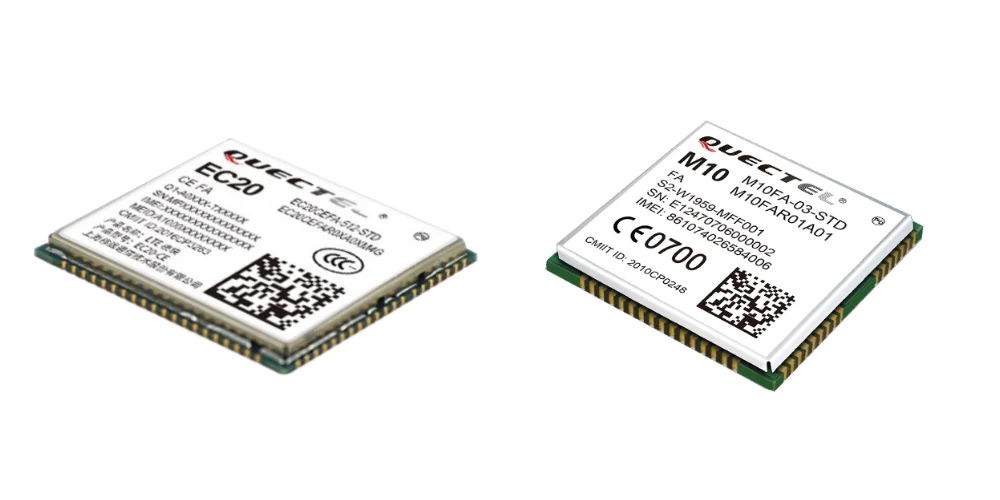
3. Quectel (China)
● Features: The world's number one supplier of cellular IoT modules by shipment volume. The most comprehensive product line, covering all market segments from low-cost Cat 1 to high-speed 5G. Known for its extremely high cost-performance ratio, rapid product iteration, and strong localization support.
● Main Modules: Full range of cellular modules (GSM to 5G), GNSS, Wi-Fi/Bluetooth modules, automotive-grade modules.
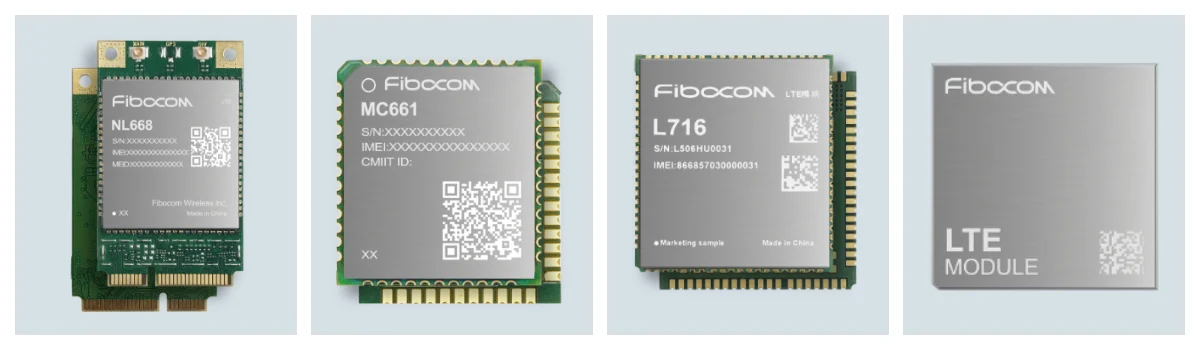
4. Fibocom (China)
● Features: A leading global supplier of cellular modules, holding a leading position in markets such as PCs (cellular modules built into laptops), mobile payments, and connected vehicles. A key partner of Qualcomm, with strong R&D capabilities.
● Main Modules: 5G/4G cellular modules, automotive-grade modules, smart modules.
Second Tier: Niche Market Leaders and Upcoming Competitors
These companies possess deep expertise in specific technological fields and markets, are significant market forces.
5. Telit (Italy), Thales (France, which acquired Gemalto's module business)
● Features: Established European module giants with long-term experience in automotive, industrial, and medical fields, and high brand recognition. Currently, after integration (Thales inherited some of Telit's design and technology), they continue to provide reliable cellular module solutions.
6. u-blox (Switzerland)
● Features: A global leader in high-precision GNSS (positioning) modules, also performing well in cellular communication and short-range communication modules. Known for its superior product quality, stability, and end-to-end positioning solutions, it holds a solid position in the automotive, industrial, and high-end consumer markets.
● Main Modules: GNSS modules (L1/L5 bands, RTK), LTE-M/NB-IoT/4G cellular modules, short-range communication modules.
7. Murata (Japan)
● Features: One of the world's largest manufacturers of RF components and modules, renowned for its superior craftsmanship and miniaturization technology. Its "Blue Module" series is a hidden champion in Wi-Fi/Bluetooth modules for consumer electronics (especially wearable devices), adopted by numerous top brands.
● Main Modules: Miniaturized Wi-Fi/Bluetooth/combination modules, NB-IoT modules.
8. Samsung (South Korea)
● Features: Possesses complete full-industry chain capabilities; its Exynos chips integrate modems. Its RF modules primarily serve its own vast consumer electronics ecosystem (mobile phones, TVs, home appliances), while also supplying external customers.
● Main Modules: 5G/4G modules, Wi-Fi 6/6E/7 modules.
Third Tier: Emerging Forces and Specialized Manufacturers
These companies either have cost advantages or are rapidly deploying in specific emerging technologies (such as 5G RedCap, satellite IoT).
9. Chinese Manufacturers: MeiG, Sunsea AIoT, Neoway, etc.
Features: Strong competitiveness in smart modules (Android system + cellular communication), CPE/router markets, or specific industries such as power; outstanding cost-effectiveness and fast service response.
10. Other Specialized Manufacturers:
● Sequans (France): Focuses on 4G/5G IoT chips and modules, with expertise in Cat 1 and Cat M/NB fields.
● Nordic (Norway), Silicon Labs (USA): Leaders in Bluetooth Low Energy and proprietary protocol RF fields; their modules are widely used in smart homes, medical devices, and industrial sensors.
● Espressif (China): A global leader in Wi-Fi MCUs and Wi-Fi/Bluetooth combo modules, renowned for its high integration and open-source ecosystem, dominating the consumer IoT market.
II. Main Application Areas
RF modules are the "connecting organs" of the Internet of Things (IoT), with applications everywhere:
| Application Area | Typical Scenarios | Common Module Technologies |
| Intelligent Transportation & Vehicle Networking | In-vehicle T-Box, Fleet Management, Intelligent In-vehicle Infotainment Systems, Autonomous Driving | 4G/5G | In-vehicle Modules (High Reliability, Wide Temperature Range), C-V2X Modules, High-Precision GNSS Modules |
| Smart Energy | Smart Meters, Grid Monitoring, Photovoltaic Inverter Communication, Charging Piles | NB-IoT/CAT-1/LTE-M (Low Power Consumption, Wide Coverage), 4G (Charging Piles) |
| Mobile Payment & Retail | POS Machines, Vending Machines, Electronic Price Tags | 4G Cat 1/Smart Modules (Android System), 2G/4G (Basic Communication) |
| Industrial Internet | Industrial Routers, PLC Remote Control, Industrial Sensors, Predictive Maintenance | Industrial-Grade 4G/5G Modules (Anti-Interference, High Stability), Wi-Fi/Bluetooth (LAN) |
| Smart Home & Consumer Electronics | Smart Speakers, Security Cameras, Smart Home Appliances, Wearable Devices | Wi-Fi/Bluetooth combo module, Bluetooth Low Energy module, Zigbee |
| PC and mobile computing | Always Connected PC for laptops | 4G/5G module (built-in eSIM) |
| Healthcare | Remote health monitoring devices, portable medical devices | Bluetooth Low Energy, 4G Cat 1, NB-IoT |
| Asset tracking | Logistics tracking, valuable asset monitoring, livestock tracking | Cat M/NB-IoT (low power), GNSS+cellular (real-time location) |
III. Technology Development Trends and Selection Considerations
1. Technology Trends:
● 5G RedCap: Balancing performance and cost, it will support a large number of 4G Cat 4 applications and is the mainstay of future medium-speed IoT.
● 5G Advanced and 6G: Evolving towards higher bandwidth, lower latency, and integrated sensing.
● Non-terrestrial networks: The integration of satellite IoT and terrestrial cellular networks to achieve full coverage.
● AI and integration: Integrating AI processing capabilities (intelligent modules) within modules to achieve edge intelligence.
● Fusion Positioning: Multi-source fusion positioning using GNSS, cellular, Wi-Fi, and inertial navigation provides continuous and reliable positioning services.
2. Selection Considerations:
● Connectivity Technology: Select based on data rate, coverage, mobility, and power consumption (5G/4G/NB-IoT/Wi-Fi/Bluetooth, etc.).
● Global Certifications: Whether the device possesses mandatory certifications (FCC/CE/RoHS, etc.) and operator network access licenses for the target market (e.g., North America, Europe, China).
● Reliability and Environmental Adaptability: Industrial/automotive grade requirements include wide temperature range, high shock resistance, and long lifespan.
● Size and Integration: Consumer electronics are extremely size-sensitive.
● Supply Chain and Support: Supply stability, localized technical support, and the completeness of documentation and development tools.
● Total Cost of Ownership: Consider not only the module unit price but also development difficulty, certification costs, and ongoing maintenance costs.
In summary, the global RF module market is characterized by a pattern where Chinese manufacturers dominate cellular module shipments, while European and American manufacturers control the high-end and core components. When making a selection, one should first clearly define the core requirements of their application scenario, and then combine this with the technological strengths and market focus of each brand to make the most suitable decision. For most IoT applications, Quectel, Fibocom, and Sierra Wireless (Semtech) are the preferred choices for cellular modules; while for wireless connectivity in consumer electronics, Murata, Espressif, and Nordic are the mainstream options.
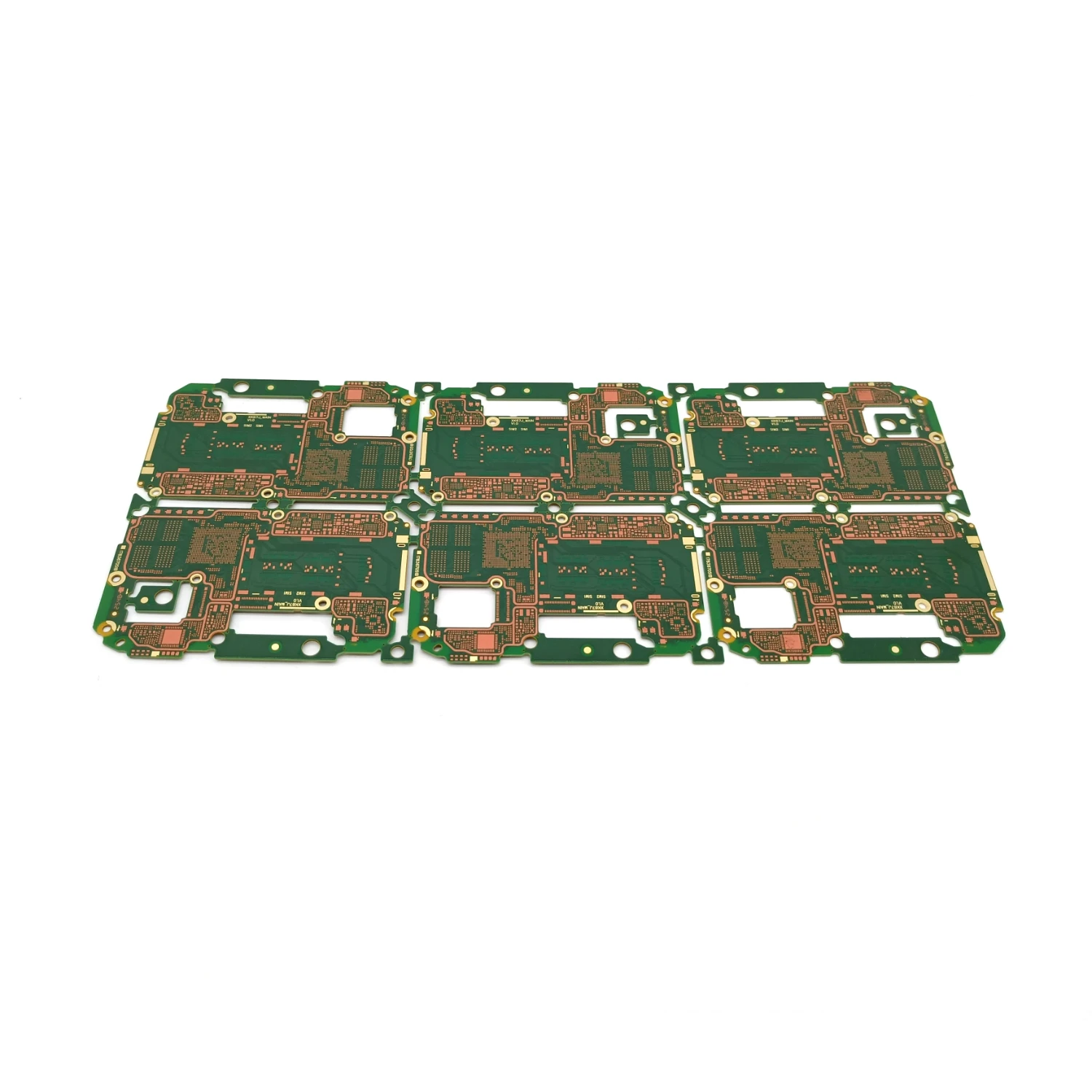
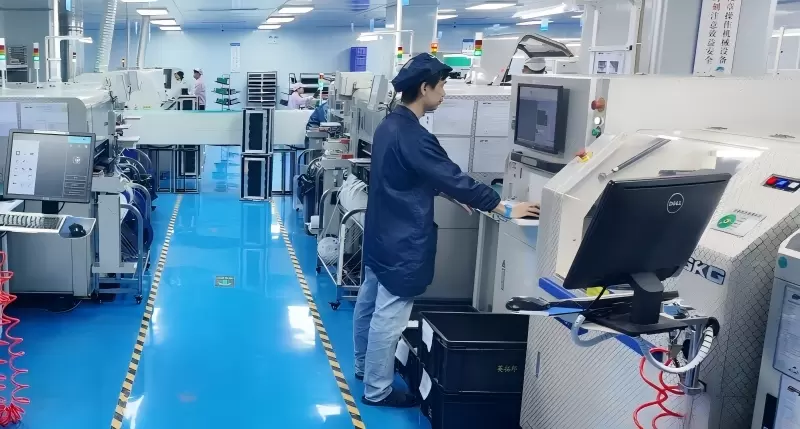
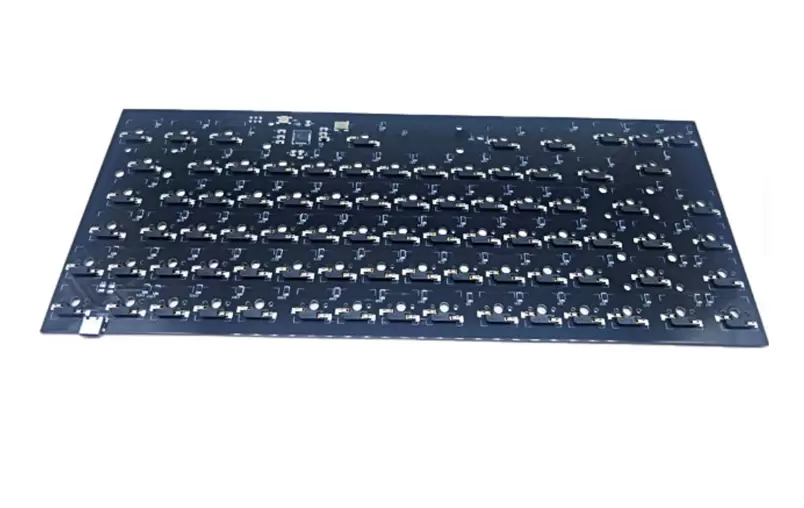
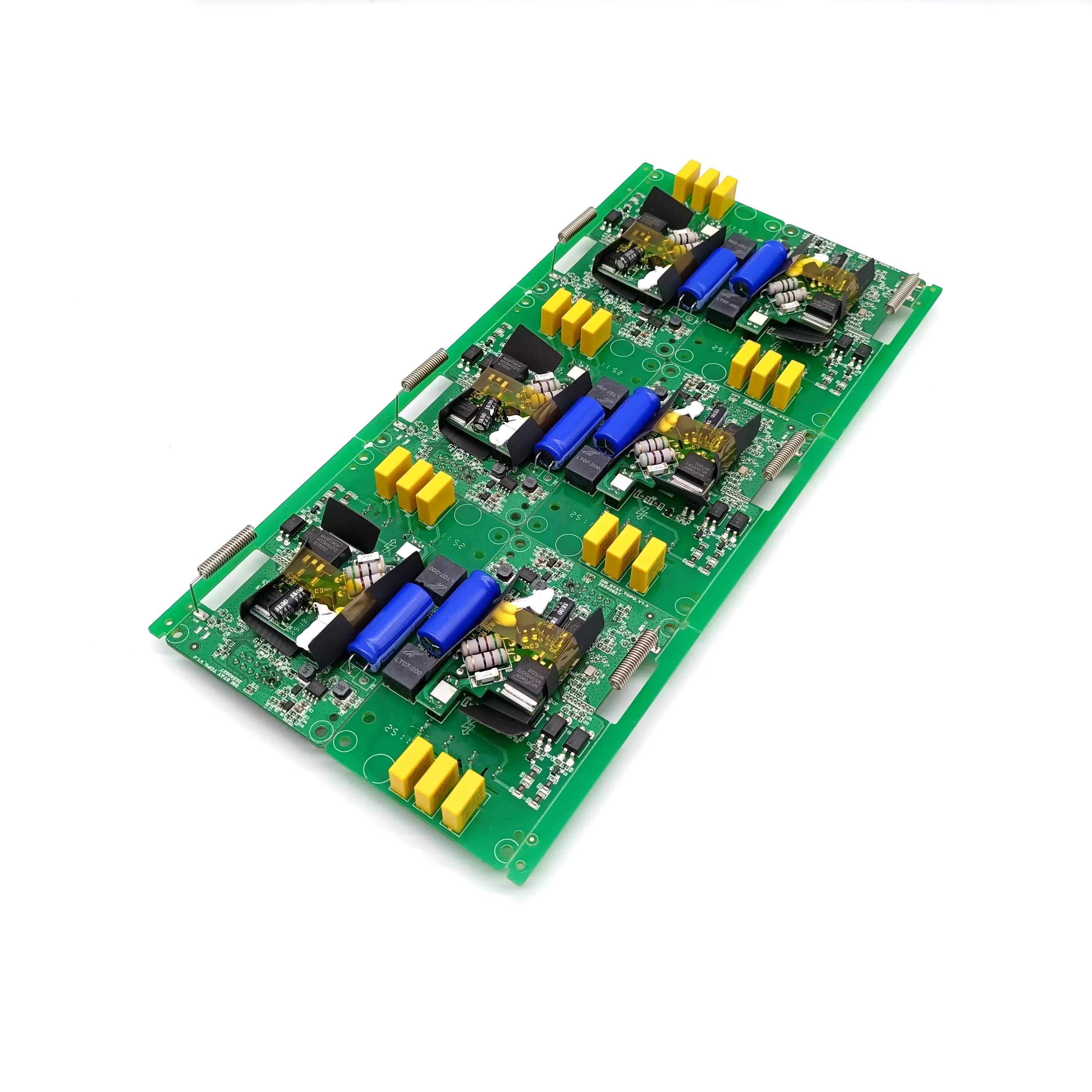
Benlida has been manufacturing PCBs and PCBAs for 14 years and has established a complete production system: from advanced equipment to process engineers, from process control to a strong supply chain. With cooperation and relationship for over 1 decade, Benlida has developed many module distributors for many brands and built reliable, mutual-trust relationship with them. If you need to source RF modules and customize PCBAs, please feel free to contact Benlida and we are committed to provide most competitive offer!
About the auther:

Sonic Yang
As a major of Electronics and Mechanical Automation, Sonic has been engaged in PCB design, R&D, manufacturing of eletronics for around 22 years, as engineering director and coordinates with supply chain(components&CNC parts), providing professional supports and consults for global customers.

 en
en


 WhatsApp