Modern surveillance systems are expected to operate around the clock in environments that range from climate-controlled offices to exposed industrial sites, transportation hubs, ports, and remote infrastructure. Cameras are no longer simple video recording devices. They integrate image sensors, processors, network communication modules, infrared illumination, storage components, and intelligent control circuits into increasingly compact housings.
As electronic integration continues to increase, the performance of Surveillance PCB Assembly has become one of the most important factors influencing system reliability. Stable circuit performance directly affects image quality, communication stability, heat management, service life, and maintenance costs.
For surveillance equipment designed for long-term outdoor operation or continuous industrial monitoring, traditional PCB materials may gradually become a limiting factor as thermal loads and power density increase. Ceramic PCB technology offers an alternative solution for applications where higher thermal conductivity, dimensional stability, and electrical insulation are required.
This article explores how professional Surveillance PCB Assembly improves the reliability of modern security systems and why ceramic PCB technology is becoming increasingly valuable in demanding surveillance applications.
Why Does PCB Assembly Play Such an Important Role in Surveillance Equipment?
Every surveillance camera contains multiple electronic subsystems that must work together continuously.
A typical surveillance device includes:
· Image sensor module
· Image signal processor (ISP)
· Main processor
· Memory devices
· Network communication module
· Power management circuit
· Infrared LED driver
· Audio circuitry
· Motor control (for PTZ cameras)
Each subsystem depends on stable electrical connections and consistent manufacturing quality. Even a small solder defect or poor thermal design may eventually result in intermittent failures, communication instability, or complete system shutdown.
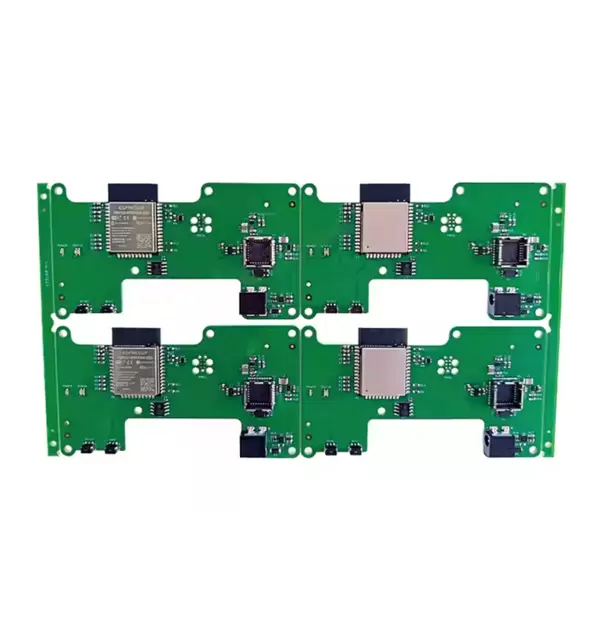
Professional Surveillance PCB Assembly ensures that every component is accurately placed, electrically connected, and mechanically secured for long-term operation.
Because surveillance equipment often operates 24 hours a day, reliability is not simply desirable—it is essential.
Surveillance Systems Operate Under Demphasis Conditions
Unlike consumer electronics that are used intermittently, surveillance equipment frequently runs without interruption for years.
Outdoor cameras may experience:
· High summer temperatures
· Freezing winter conditions
· Heavy rainfall
· Dust accumulation
· Salt spray near coastal areas
· Strong UV exposure
· Continuous vibration
· Wide temperature fluctuations between day and night
Indoor industrial surveillance systems can face additional challenges, including:
· High humidity
· Oil mist
· Chemical vapors
· Electrical interference
· Continuous machine vibration
These environmental conditions place significant stress on PCB assemblies.
Over time, thermal cycling can weaken solder joints, moisture can accelerate corrosion, and heat buildup may reduce component lifespan.
Reliable PCB assembly must be designed with these long-term operating conditions in mind.
Why Thermal Management Has Become a Major Design Priority
Heat is one of the primary factors affecting surveillance electronics.
Modern surveillance cameras contain increasingly powerful processors capable of:
· High-resolution image processing
· Multi-stream video encoding
· Object recognition
· Edge computing
· Network communication
· Infrared illumination control
These functions generate considerable heat inside compact enclosures.
When internal temperatures rise excessively, several issues may occur:
· Reduced processor efficiency
· Image sensor noise
· Communication instability
· Faster component aging
· Power supply degradation
· Increased maintenance frequency
Effective thermal management begins at the PCB level.
Instead of allowing heat to accumulate around critical components, properly designed PCB assemblies distribute and transfer heat efficiently throughout the board.
This helps maintain stable operating temperatures even during continuous operation.
Why Ceramic PCBs Are Gaining Attention in Surveillance PCB Assembly
Traditional FR-4 materials continue to serve many surveillance products successfully. However, higher-performance surveillance equipment increasingly demands better thermal performance.
Ceramic PCBs provide several engineering advantages.
First, ceramic substrates offer dramatically higher thermal conductivity than conventional FR-4 materials.
Heat generated by processors, power management circuits, and infrared lighting modules can be transferred away more efficiently, helping maintain lower operating temperatures.
Second, ceramic materials exhibit excellent dimensional stability.
Unlike conventional materials that may expand and contract more noticeably during repeated temperature changes, ceramic substrates maintain greater structural consistency, reducing mechanical stress on solder joints and electronic components.
Third, ceramic PCBs provide excellent electrical insulation while supporting high-power circuit designs.
This combination allows compact layouts without sacrificing electrical safety or reliability.
For surveillance equipment expected to operate continuously in demanding environments, these characteristics contribute directly to longer service life.
How Better Heat Dissipation Improves Camera Performance
Temperature influences nearly every electronic component inside a surveillance camera.
Image sensors perform best within controlled operating temperatures.
When excessive heat builds up, image quality may gradually deteriorate through increased electronic noise and reduced sensitivity.
Processors also depend on effective cooling.
High operating temperatures can trigger performance reduction mechanisms designed to protect internal circuitry.
As processor performance decreases, frame rates, encoding efficiency, and overall system responsiveness may be affected.
Infrared LED systems also generate substantial heat.
Poor thermal management can shorten LED lifespan while reducing illumination consistency during nighttime operation.
Ceramic PCB technology helps transfer heat away from these critical components more efficiently, supporting stable long-term performance across the entire surveillance system.
Material Selection Directly Influences Long-Term Reliability
Different PCB materials offer different advantages depending on application requirements.
Common options include:
Material | Typical Characteristics |
FR-4 | Economical, suitable for general electronics |
Aluminum PCB | Good thermal performance for LED applications |
Ceramic PCB | Excellent thermal conductivity, insulation, and stability |
Heavy Copper PCB | Suitable for high-current power circuits |
For surveillance products that combine high processing power with continuous operation, ceramic substrates can provide significant reliability improvements.
The selection depends on factors such as:
· Operating environment
· Power density
· Product lifetime expectations
· Installation conditions
· Cost objectives
Choosing the appropriate substrate early in product development helps optimize overall system performance.
Assembly Quality Is Just as Important as PCB Material
Even the best PCB substrate cannot compensate for poor assembly quality.
Reliable Surveillance PCB Assembly requires precise manufacturing processes throughout production.
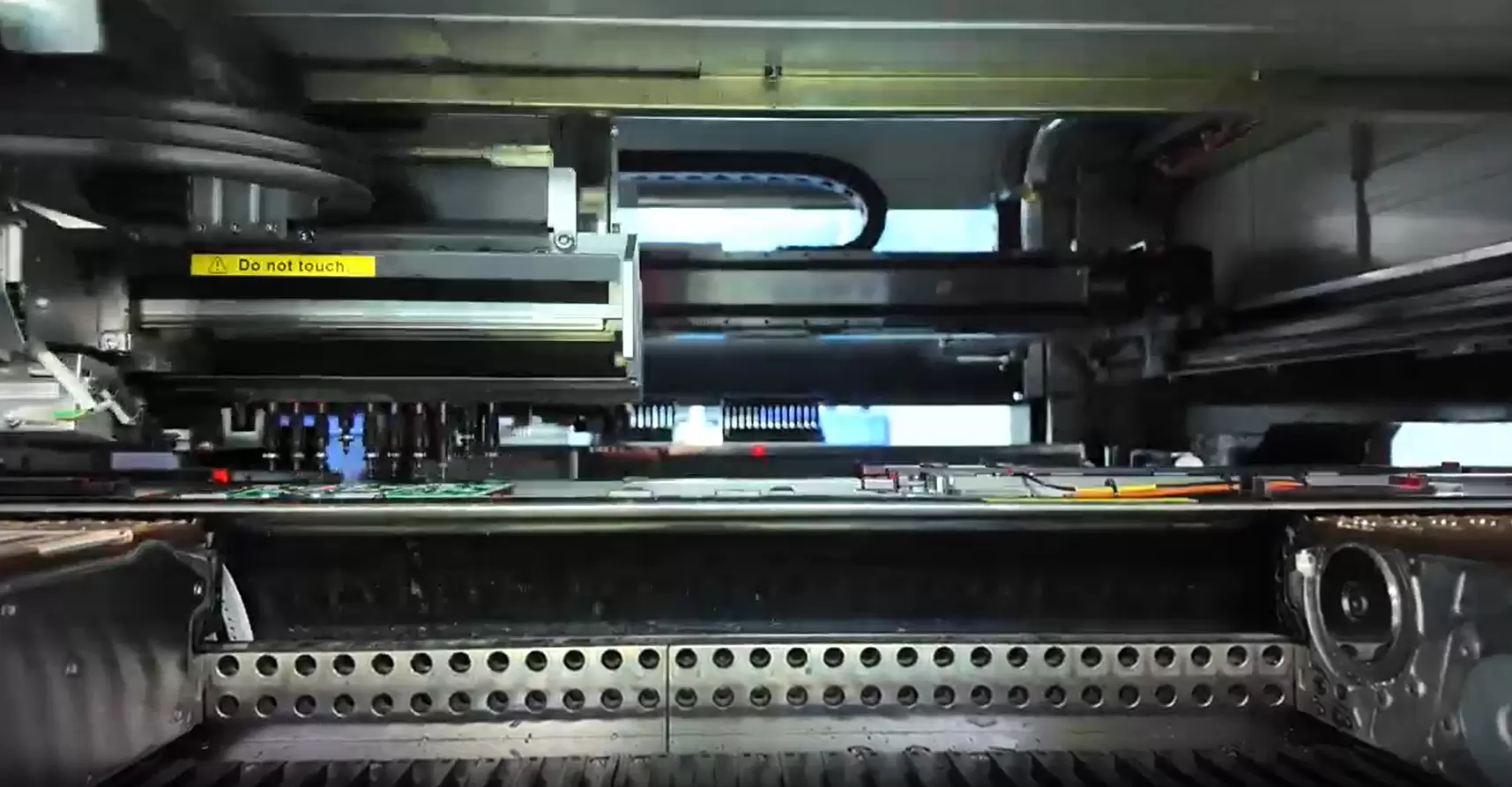
Critical manufacturing stages include component placement, solder paste control, reflow profile optimization, cleaning procedures, and final inspection.
Quality control commonly includes:
· Automated Optical Inspection (AOI)
· X-ray inspection for hidden solder joints
· Electrical testing
· Functional testing
· Burn-in verification
Each inspection stage reduces the possibility of field failures.
Consistent manufacturing processes also improve batch-to-batch stability, which is especially important for large surveillance deployments involving hundreds or thousands of cameras.
Signal Integrity Matters for Modern Surveillance Systems
Video transmission demands increasingly higher data rates.
High-resolution cameras generate massive amounts of digital information that must travel through multiple electronic circuits without degradation.
Poor PCB layout or unstable assembly quality may introduce:
· Signal reflection
· Crosstalk
· Electromagnetic interference
· Timing inconsistencies
· Communication errors
Professional Surveillance PCB Assembly supports stable signal transmission through controlled impedance routing, proper grounding strategies, optimized stack-up design, and accurate component placement.
These design practices help maintain clear video output while supporting reliable network communication.
Choosing the Right Manufacturing Partner
Selecting an experienced PCB assembly manufacturer can significantly influence product quality and long-term operating costs.
An experienced manufacturing partner should offer comprehensive engineering support throughout production.
Important evaluation factors include:
· Experience with surveillance electronics
· Ceramic PCB manufacturing capability
· Advanced inspection equipment
· Material traceability
· Flexible production capacity
· Quality management systems
· Engineering support during design optimization
Manufacturers familiar with surveillance applications understand the specific reliability challenges associated with continuous operation, outdoor environments, and thermal management.
This experience often leads to better production consistency and improved product reliability.
How Ceramic PCBs Support High-Power Surveillance Devices
Not every surveillance product requires the same level of thermal performance. A basic indoor camera installed in an office typically operates under relatively stable environmental conditions with moderate power consumption. In contrast, high-performance surveillance equipment often runs more powerful processors, multiple communication modules, and high-output illumination systems simultaneously.
Examples include:
· PTZ surveillance cameras
· Long-range infrared cameras
· Thermal imaging cameras
· Traffic monitoring cameras
· Industrial process monitoring systems
· Border and perimeter surveillance equipment
These devices generate considerably more heat than standard security cameras. If that heat cannot be removed efficiently, internal temperatures continue to rise, accelerating component aging and reducing overall reliability.
Ceramic PCB technology helps solve this challenge by providing an efficient thermal path between heat-generating components and external cooling structures. Instead of allowing heat to remain concentrated around processors or power modules, ceramic substrates distribute thermal energy more evenly across the circuit board.
This improved heat transfer contributes to more stable operating temperatures during continuous operation, even under demanding environmental conditions.
Long-Term Reliability Depends on More Than Initial Performance
Many surveillance systems are expected to remain in service for five to ten years with minimal maintenance. During that time, cameras may experience millions of operating hours, countless thermal cycles, and continuous exposure to changing environmental conditions.
Long-term reliability depends on several interconnected factors.
Stable solder joints reduce the likelihood of intermittent electrical failures.
High-quality substrate materials minimize deformation caused by repeated heating and cooling.
Proper component placement lowers mechanical stress throughout the assembly.
Effective thermal management slows the natural aging of electronic components.
Each of these factors contributes to reducing unexpected downtime and extending equipment life.
When maintenance visits require specialized personnel or access equipment such as lifts or cranes, preventing failures becomes significantly more cost-effective than repairing them after installation.
Why Outdoor Surveillance Places Greater Demands on PCB Assembly
Outdoor surveillance equipment operates under conditions that are much more demanding than most indoor electronics.
Daily temperature changes can produce repeated expansion and contraction throughout the PCB assembly.
Moisture entering the enclosure may create corrosion risks.
Dust accumulation can reduce cooling efficiency.
Solar radiation increases enclosure temperatures during daytime operation.
Wind-driven rain and humidity introduce additional environmental stress.
Professional Surveillance PCB Assembly addresses these challenges through careful material selection and manufacturing controls.
Many outdoor products also apply conformal coating to protect sensitive electronic circuits from moisture, airborne contaminants, and corrosive environments.
When combined with ceramic PCB technology, these protective measures further improve operational reliability for surveillance systems deployed in harsh locations.
Manufacturing Consistency Is Essential for Large Surveillance Projects
Commercial surveillance deployments often require hundreds or even thousands of identical cameras.
Examples include:
· Airports
· Manufacturing facilities
· Transportation networks
· Smart cities
· Logistics centers
· Universities
· Hospitals
For projects of this scale, manufacturing consistency becomes extremely important.
Every PCB assembly must perform the same way regardless of production batch.
Consistent assembly quality ensures:
· Uniform image performance
· Stable network communication
· Predictable power consumption
· Simplified maintenance planning
· Lower warranty claims
Advanced manufacturing equipment supports this consistency through automated solder paste inspection, precision component placement, controlled reflow soldering, and comprehensive electrical testing.
Reliable production processes reduce variation between assemblies, helping surveillance equipment maintain consistent performance throughout large installations.
Ceramic PCB Assembly Supports Future Hardware Development
The surveillance industry continues to move toward higher-performance electronic platforms.
Manufacturers are introducing products with:
· Higher image resolutions
· Faster processors
· Larger memory capacity
· Multiple communication interfaces
· Advanced video analytics
· Improved night vision performance
Each technological improvement generally increases power density inside increasingly compact enclosures.
As component spacing decreases, thermal management becomes more challenging.
Ceramic PCB technology provides additional design flexibility by allowing engineers to place high-power components closer together while maintaining effective heat dissipation.
This capability supports future product development without requiring significant increases in enclosure size.
As surveillance hardware continues evolving, advanced PCB materials become increasingly valuable in supporting higher-performance electronic architectures.
Selecting a Surveillance PCB Assembly Partner
Choosing the right manufacturing partner affects far more than production cost.
An experienced supplier contributes throughout the entire product lifecycle, from prototype development to volume manufacturing.
When evaluating a Surveillance PCB Assembly manufacturer, buyers should consider several technical capabilities.
First, verify experience with surveillance electronics rather than general consumer products. Surveillance equipment has unique reliability requirements related to continuous operation and environmental exposure.
Second, review the manufacturer's material capabilities. A supplier offering ceramic PCB assembly alongside traditional FR-4 manufacturing can provide greater flexibility as product requirements evolve.
Third, evaluate inspection and testing procedures. Comprehensive quality control reduces field failures and improves long-term product consistency.
Finally, assess engineering support. Manufacturers capable of participating in design reviews, thermal optimization, and manufacturability analysis often help improve overall product performance before production even begins.
Working with an experienced manufacturing partner can reduce development risk while supporting higher-quality finished products.
Modern surveillance equipment operates continuously in environments where reliability is essential. Stable image quality, uninterrupted communication, and long service life all depend on the quality of the underlying electronic hardware.
Professional Surveillance PCB Assembly combines precision manufacturing, rigorous quality control, and optimized thermal design to ensure dependable performance throughout the product lifecycle.
As surveillance devices become more compact and more powerful, heat management has become one of the defining challenges in electronic design. Ceramic PCB technology offers a practical solution by delivering excellent thermal conductivity, outstanding electrical insulation, and exceptional dimensional stability under demanding operating conditions.
From industrial monitoring systems to outdoor security cameras and high-performance PTZ equipment, ceramic substrates help improve thermal efficiency, extend component lifespan, and reduce maintenance requirements over years of continuous operation.
For manufacturers seeking dependable surveillance electronics, selecting the appropriate PCB materials and partnering with an experienced Surveillance PCB Assembly provider can significantly enhance product reliability, manufacturing consistency, and long-term operational value.
About the author:

Sonic Yang
As a major in Electronics and Mechanical Automation, Sonic has been engaged in PCB design, R&D, and manufacturing of electronics for around 22 years, as the engineering director, and coordinates with the supply chain(components and CNC parts), providing professional support and consulting for global customers.

 en
en


 WhatsApp