Manufacturers often face high costs in PCB assembly for driver boards. Up to 50% of total production expenses relate to assembly, as shown below:
Manufacturing area | Percentage of total cost |
PCB fabrication | Up to 40% |
PCBA production | Up to 50% |
PCB components | Up to 80% |
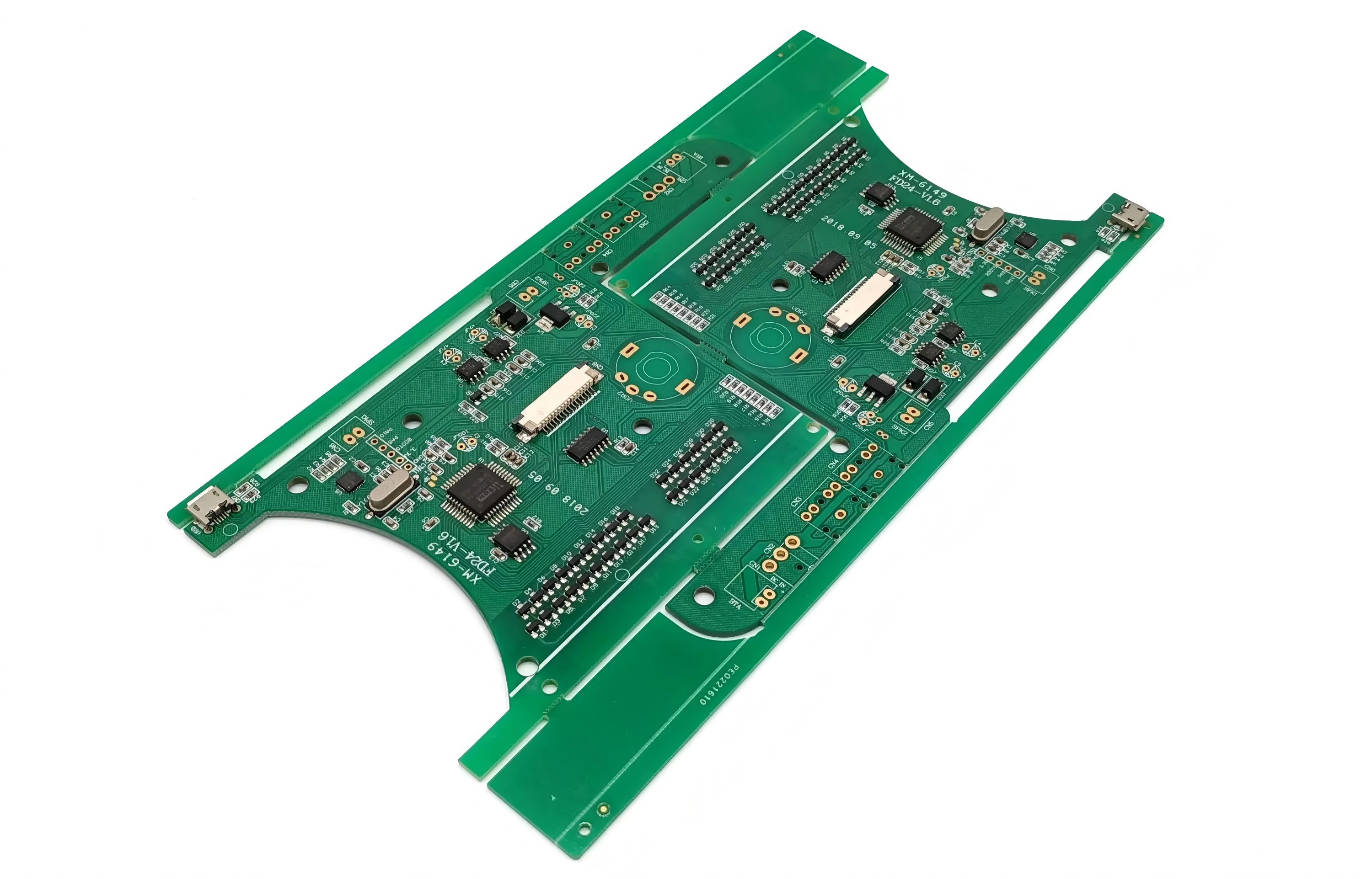
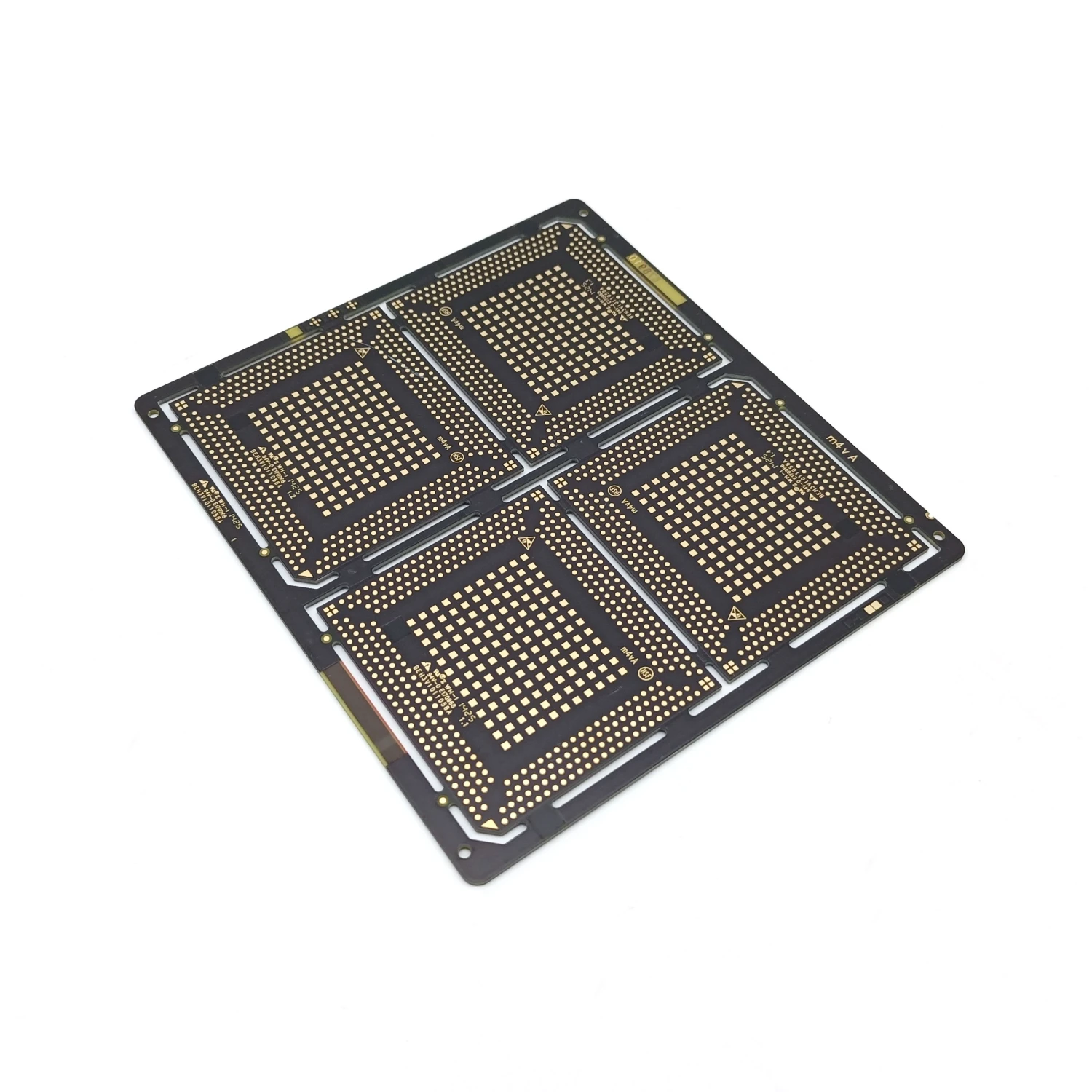
Design choices matter. A 2-layer board with ENIG finish and FR-4 TG150 material, like the pcb assembly for driver, delivers stable signals without unnecessary spending. Layer count impacts cost, as seen in the chart:
Smart design and careful material selection help cut costs while preserving performance.
Design Choices for Cost-Effective PCB Assembly
Simplify Layout and Reduce Layers
Design simplicity is a key factor in reducing manufacturing costs for driver boards. A straightforward layout helps manufacturers avoid unnecessary complexity during production. Using a 2-layer structure, as seen in the pcb assembly for the driver, offers several advantages. The mature 2-layer process is 30% to 50% less expensive than multi-layer boards. This approach also supports efficient production, allowing multiple boards to be manufactured at once and minimizing setup time.
Advantage | Description |
Production Efficiency | Multiple PCBs produced simultaneously, reducing machine setup time. |
Cost Reduction | Minimizes scrap material and maximizes material utilization. |
Assembly Ease | Webs can be separated without damaging individual boards. |
Low Cost | Mature 2-layer process is 30%-50% cheaper than multi-layer boards. |
Customization | Supports minimum hole size of 0.1mm and various finishes. |
Eco-Friendly | Compliant with RoHS and REACH standards; lead-free soldering ready for global export. |
Reducing the number of layers not only lowers fabrication costs but also simplifies assembly. Manufacturers can keep most components on one side, which reduces labor and speeds up production. This strategy helps maintain signal stability and reliability, especially when paired with an ENIG finish and FR-4 TG150 material.
Cost-Effective PCB Sizing
Cost-effective pcb sizing plays a crucial role in controlling expenses. The size of the PCB directly affects material usage and assembly efficiency. Smaller boards require less material, which leads to lower costs. Optimizing the dimensions of a PCB can enhance production speed and reduce overall manufacturing costs.
· Larger PCBs complicate automated assembly and increase costs.
· Downsizing a PCB in consumer electronics, such as smartwatches, results in lower material costs and faster assembly times.
· The dimensions of a PCB influence the materials used, affecting overall costs.
· Larger boards require more materials and a more complex assembly process, which increases prices proportionally to the surface area.
Manufacturers should focus on cost-effective pcb sizing by minimizing board dimensions without sacrificing performance. This approach ensures efficient use of materials and improves yield. Adjusting board size early in the design phase can help avoid unnecessary expenses later in production.
Standardize Shapes and Materials
Standardizing shapes and materials is another smart way to achieve cost-effective pcb sizing. Using standard materials like FR-4 TG150 and finishes such as ENIG keeps costs predictable and manageable. Custom or exotic options often add complexity and increase manufacturing costs.
· Poor material utilization can significantly increase costs, especially if the design does not yield well on standard laminate sheets.
· Non-standard features, such as unusual plating thicknesses or high-density interconnects, add complexity and processing costs.
· Drilling and routing complexities, like small vias and dense hole patterns, can slow down production and raise costs.
· Optimize circuit layout to reduce routing complexity and avoid unnecessary layers.
· Use standard materials and finishes to keep costs down.
· Apply Design for Manufacturability (DFM) principles to minimize production issues and rework costs.
Manufacturers benefit from cost-effective pcb sizing when they avoid custom shapes and stick to standard board outlines. This practice maximizes material utilization and simplifies the assembly process. The use of FR-4 TG150 material and ENIG finish in the pcb assembly for driver demonstrates how standardization supports stable signal transmission and reliable operation while keeping manufacturing costs low.
Component Selection and Manufacturing Costs
Use Standard Components
Selecting standard components is a practical way to control manufacturing costs. Standard parts are widely available and supported by most suppliers. Manufacturers can easily source these components, which reduces lead times and avoids supply chain bottlenecks. Standardization also simplifies the assembly process. Workers and machines handle familiar parts with greater efficiency, leading to fewer errors and faster production.
A driver board, such as the pcb assembly for driver, benefits from using common resistors, capacitors, and connectors. These parts fit well with automated assembly lines. When designers choose standard footprints and values, they help ensure that the board can be produced at scale without delays. Standard components also allow for easier maintenance and replacement, which supports long-term reliability.
Avoid Over-Specification
Over-specification occurs when designers select components with features or ratings that exceed the actual requirements of the application. This practice increases manufacturing costs and complicates the production process. For example, choosing a microcontroller with advanced functions for a simple driver circuit adds unnecessary expense.
Avoiding over-specification helps reduce manufacturing costs by eliminating the need for specialized tooling. It also minimizes delays associated with design reviews and engineering changes. By adhering to standard capabilities, manufacturers enhance production efficiency and lower costs per unit. Designers should match component specifications to the needs of the driver board, focusing on signal stability and reliable operation rather than excessive performance.
Specification Level | Impact on Manufacturing Costs | Production Efficiency |
Standard | Lower costs, easier sourcing | High |
Over-Specified | Higher costs, complex sourcing | Low |
Choosing the right level of specification ensures that the pcb assembly for driver remains cost-effective and dependable.
Multiple Sourcing Options
Relying on a single supplier for critical components exposes manufacturers to risks such as price fluctuations, supply shortages, and geopolitical disruptions. Multiple sourcing options provide a buffer against these risks and help maintain steady production.
· Creating an Approved Vendor List (AVL) with several sources reduces dependency on one supplier.
· Dual sourcing enables quicker recovery from vendor disruptions.
· Diversifying suppliers mitigates risks from events like tariff changes or port delays.
· Multiple sourcing options ensure a steady supply of components, enhancing resilience.
· Better negotiation on pricing with multiple suppliers leads to cost savings.
· Reducing dependency on a single supplier allows for competitive pricing.
Manufacturers who diversify their sourcing strategies can negotiate better prices and respond quickly to supply chain challenges. This approach supports consistent production and helps keep manufacturing costs under control.
Assembly Process Optimization for PCB Assembly for Driver
Design for Automated Assembly
Design for automated assembly is essential for reducing costs and improving quality in pcb assembly for driver. Automated assembly technology increases speed and consistency. It allows real-time optimization, which reduces errors and supports predictive maintenance. These benefits lower labor costs and defect rates, as shown below:
Aspect | Impact |
Labor Costs | Automation reduces labor costs by increasing efficiency and consistency in production. |
Defect Rates | Automated systems improve quality control, leading to lower defect rates in assembly. |
Automated assembly technology also works well with ENIG finishes. ENIG provides excellent wetting properties and surface planarity, which are important for reliable solder joints and signal stability. This combination ensures that driver boards meet high standards for durability and performance.
Minimize Manual Soldering
Manual soldering can increase both cost and assembly time, especially as production volume grows. For small batches, manual assembly may seem economical because there are no machine setup fees. However, as production volume rises, manual soldering becomes slower and more labor-intensive. Automated assembly technology reduces these issues by handling larger quantities efficiently. The table below highlights the cost differences:
Production Volume | Manual Cost per Unit | Automated Cost per Unit |
Low (under 100) | $50 - $100 | Higher due to setup |
High | Increases with volume | Decreases with volume |
Minimizing manual soldering supports design for manufacturability and helps maintain consistent quality across all units.
Panelization for Small Boards
Panelization is a powerful assembly technology that groups multiple small boards into a single panel for processing. This method reduces material waste and labor costs. For example, a consumer electronics company cut material costs by 15% and assembly time by 75% by using panelization for 10,000 smartwatch PCBs. A medical device engineer saved 40% on prototype costs by panelizing five identical designs. Panelization optimization allows startups and small teams to handle multiple boards as one unit, making the process faster and more efficient.
Tip: Panelization not only saves money but also streamlines assembly technology, especially when production volume is high.
Panelization supports the use of ENIG finishes, which provide a robust barrier against oxidation and ensure reliable soldering. This approach is ideal for driver boards that require stable signal transmission and long-term durability.
Collaborate with Partners to Lower PCB Fabrication Costs
Early DFM Feedback
Early engagement with assembly partners brings measurable benefits to driver board projects. Design for Manufacturability (DFM) feedback helps detect design flaws before production begins. This process reduces rework and material waste. It also improves product reliability and yield rate. When design and manufacturing teams communicate early, they simplify the process and shorten time-to-market. The integration of DFM and panelization ensures smooth operations from fabrication to assembly, which is vital in fast-paced industries.
Benefit | Measurement |
Reduction in development cycles | 20-30% |
Reduction in production costs | 10-20% |
Involving assembly partners’ engineers early helps optimize layout for production. Their expertise in DFM improves testability and reduces costs. Coordination on panel formats produces repeatable cost savings across production runs.
Volume Discounts
Consolidating orders with fabrication partners leads to significant savings. Volume discounts lower per-unit costs by spreading setup fees over more units. This effect becomes clear when order quantities reach 50-100 units. The unit price drops as the order size increases. In the past, small orders faced high setup fees, making each board expensive. Today, order consolidation allows for efficient production runs and lower prices, even for low-volume pcb assembly for driver projects.
Testing and Inspection Clarity
Clear testing and inspection requirements help control costs and maintain quality. Effective testing identifies defects early, reducing the need for rework. Integrating testing throughout the assembly process avoids late detection of issues, which can be costly. Regular inspections keep quality standards high and reduce field failures.
Impact on Cost and Quality | Description |
Early Defect Prevention | Effective testing can identify defects early, reducing rework and enhancing reliability. |
Cost Minimization | Integrating testing throughout the assembly process helps avoid late detection of issues, which can be costly. |
Consistent Quality | Regular inspections maintain quality standards, leading to fewer field failures and recalls. |
Prevention, detection, and verification work together to enhance quality control. This approach leads to more predictable product launches and reduces rework and scrap. Improved supplier confidence and field reliability are achieved through effective quality measures.
Supply Chain Strategies for Manufacturing Costs
Bulk Component Sourcing
Bulk sourcing is a proven way to lower costs in driver board manufacturing. When companies buy components in large quantities, suppliers often offer discounts. This approach reduces material costs per square inch and helps secure cost-effective suppliers. Strategic partnerships with assembly houses can further decrease expenses. The table below shows how bulk purchasing and increased order volume impact savings:
Evidence | Description |
Bulk purchase | Sourcing components in bulk results in lower prices from suppliers. |
Strategic partnerships | Collaborating with assembly houses and suppliers can further reduce costs. |
Increased order volume | Larger orders lead to discounts from PCB manufacturers. |
Example | Ordering 1,000 boards instead of 100 significantly lowers the cost per board. |
Bulk sourcing also improves efficiency by reducing the number of orders placed. This method supports minimizing waste by using standard panel sizes, which maximizes material utilization and reduces leftover waste.
Lead Time Planning
Effective lead time planning is essential for smooth fabrication and assembly. Companies that plan ahead can coordinate all production stages, which reduces the risk of costly rush orders. Early communication with suppliers allows for pre-purchasing materials, preventing delays in material deliveries. Keeping a buffer of critical boards in inventory helps avoid emergency orders and supports minimizing waste. This strategy ensures that fabrication schedules stay on track and that material costs per square inch remain predictable.
· Lead time planning reduces the need for expedited shipping.
· Early forecasts help suppliers prepare, lowering the chance of production delays.
· Smart inventory management prevents unnecessary waste and supports continuous production.
Local vs. Offshore Assembly
Choosing between local and offshore assembly affects both cost and speed. Local assembly offers rapid prototyping, better IP protection, and easier communication. Offshore assembly is more cost-effective for high-volume production and simple designs. The table below compares key aspects:
Aspect | Local PCB Assembly | Offshore PCB Assembly |
Lead Time | 24-48 hours for quick turns | 3-7 days for cost-effective services |
Cost | Higher cost for rapid services | More cost-effective for high volume |
Ideal Use Case | Rapid prototyping, IP protection | High-volume production, cost-driven |
Communication | Easier due to proximity | More complex due to international shipping |
Certifications | Specialized certifications available | Less likely to have specialized certifications |
Local assembly is best for small orders and projects needing close collaboration. Offshore assembly suits large runs where minimizing waste and using standard panel sizes can drive down fabrication costs. Companies must weigh these trade-offs to select the best option for their needs.
Tip: Just-in-time inventory and vendor-managed inventory can reduce carrying costs and waste, but they require accurate forecasting to avoid missed opportunities during demand spikes.
Manufacturers achieve cost savings by applying design for assembly, optimizing sizing, and selecting standard materials. Early collaboration with partners and clear testing requirements streamline production. Companies that review and update their practices see benefits such as simplified tooling, improved first-pass yield, faster assembly, and reduced testing time:
Benefit | Description |
Simplified Tooling | Standardized designs require less custom tooling, reducing setup time. |
Improved First-Pass Yield | DFM-optimized designs minimize rework and scrap. |
Faster Assembly | Properly spaced components and clear markings speed up the process. |
Reduced Testing Time | More testable designs streamline quality control. |
Smart sizing and structured approaches support high-volume production and long-term budget stability. Consider adopting solutions like PCB Assembly for Driver to maintain performance and reliability.
About the author:

Sonic Yang
As a major in Electronics and Mechanical Automation, Sonic has been engaged in PCB design, R&D, and manufacturing of electronics for around 22 years, as the engineering director, and coordinates with the supply chain(components and CNC parts), providing professional support and consulting for global customers.

 en
en



 WhatsApp