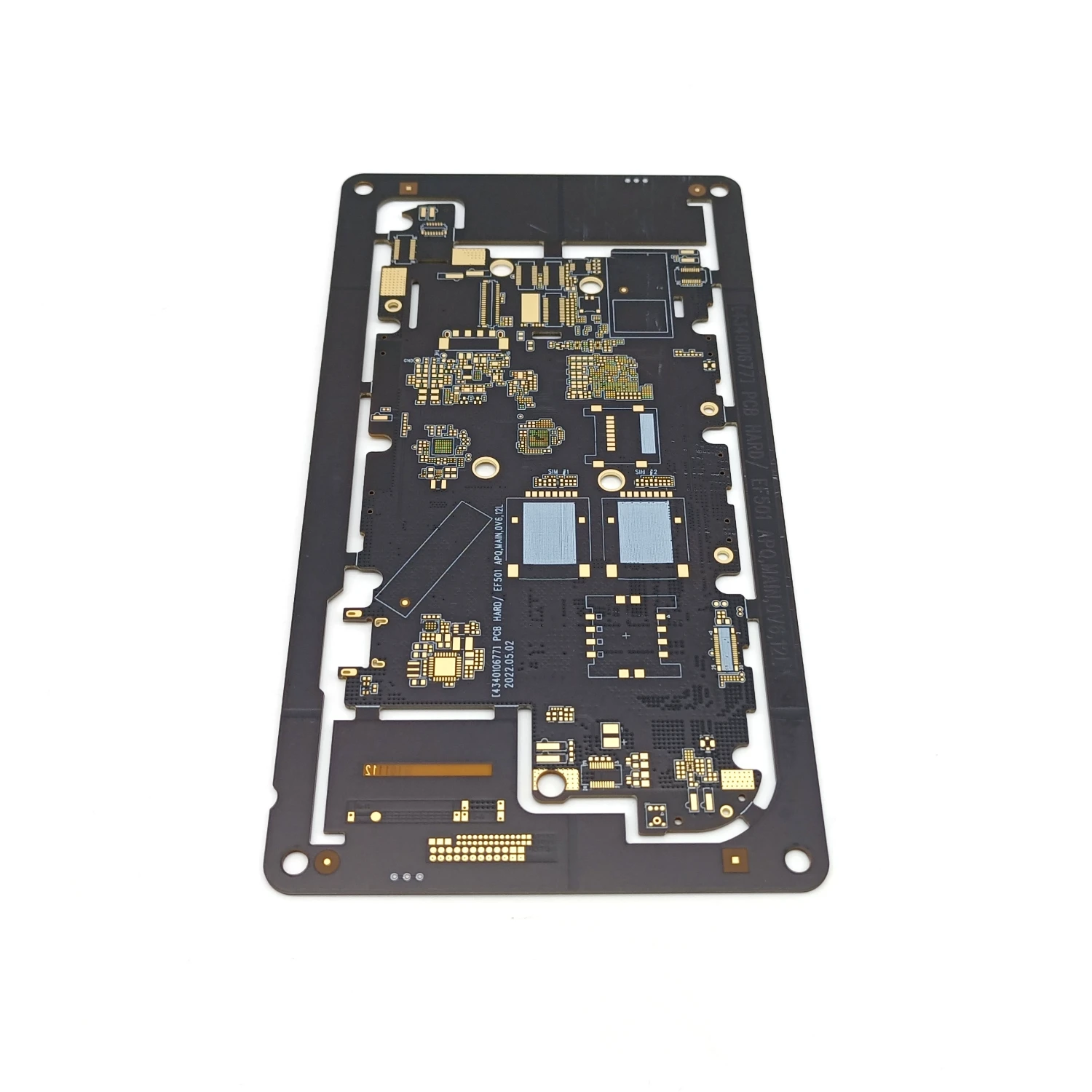
Heavy copper PCB for automotive applications helps fix hard issues in car electronics. Standard boards can fail from high current, fast temperature shifts, and strong shaking. Engineers notice better current flow, better heat control, and longer-lasting boards with these heavy copper PCBs. Small designs can work well and stay strong. Shenzhen Benlida Circuit uses skill and care for each automotive project.
Heavy Copper PCB for Automotive Current Handling
High Current Handling Capacity
Cars need a strong current to work properly. Heavy copper PCB for automotive helps with high-current jobs. Regular boards can break when too much current goes through thin copper lines. Heavy copper PCB for automotive has thick copper layers. These layers let more current move without getting too hot or breaking.
Powertrain and EV Systems
Powertrain parts in cars need good current paths. Electric vehicles use heavy copper PCBs for automotive battery packs and motor controls. These boards move high current from the battery to the motor. If a board cannot handle this, the car might lose power or get damaged. Heavy copper PCB for automotive keeps the system safe and steady.
Note: Electric vehicle batteries give out strong bursts of current. Heavy copper PCB for automotive stops copper lines from burning and keeps the powertrain working.
Electric Power Steering
Electric power steering needs a steady current. Heavy copper PCB for automotive helps the motor and control unit. When you turn the wheel, the system uses a lot of current. Regular boards can fail when this happens. Heavy copper PCB for automotive makes steering smooth and stops sudden loss of control.
Engineers pick heavy copper PCB for automotive steering because:●It stops heat from building up.
●It works well when the current is high.
●It lowers the chance of electrical problems.
Comparison with Standard PCBs
Heavy copper PCB for automotive is different from regular boards. Regular PCBs have thin copper lines. These lines cannot carry much current. When too much current goes through, regular boards get hot fast. This heat can bend the board, make layers come apart, or even start a fire.
| Feature | Standard PCB | Heavy Copper PCB for Automotive |
|---|
| Copper Thickness | 1-2 oz/ft² | 3-20 oz/ft² |
| High Current Handling | Limited | Excellent |
| Heat Dissipation | Poor | Superior |
| Durability | Low | High |
Heavy copper PCBs work better for high-current jobs. They last longer and help with tough car tasks. Engineers see fewer problems and less fixing with heavy copper PCBs for automotive. This makes cars safer and more reliable today.
Thermal Management with Heavy Copper PCBs
Enhanced Heat Dissipation
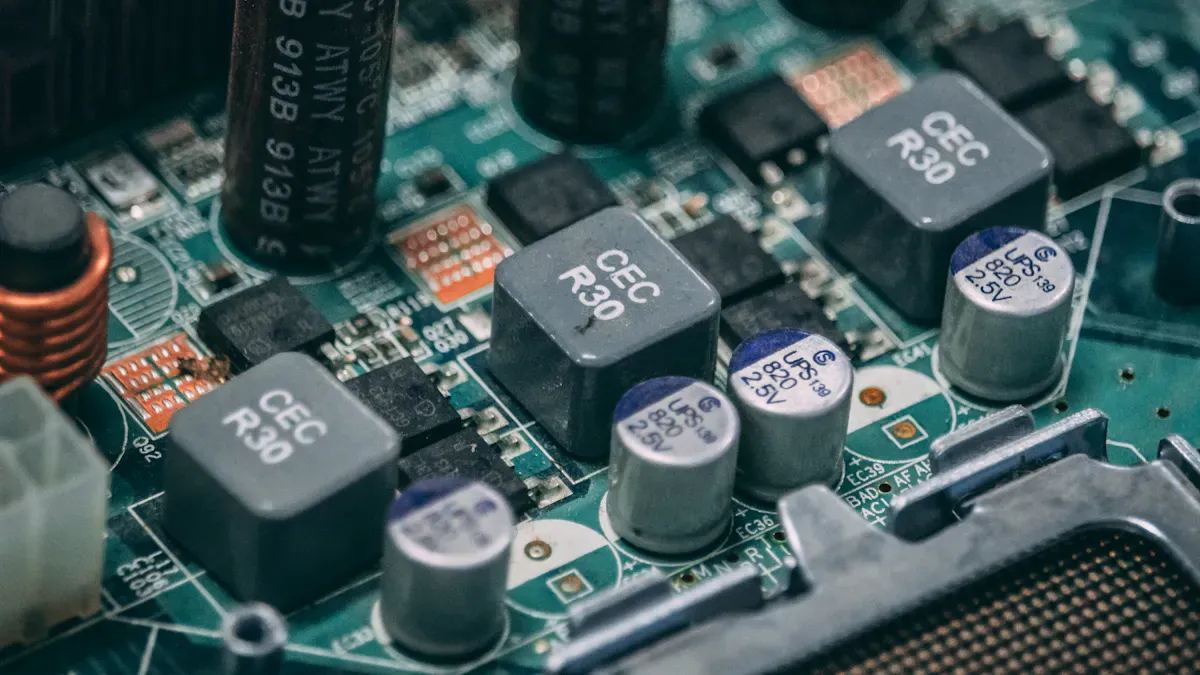
Car electronics often get hot and use lots of current. Heavy copper PCB technology helps cool these parts down. Thick copper layers pull heat away from important spots. This keeps parts cooler and stops them from getting too hot. Engineers must think about heat when they design electric or hybrid cars. Too much heat can make circuits stop working or work poorly. Heavy copper PCB boards can handle more heat than normal boards. This lets engineers put power parts closer together. It also saves space and means less extra cooling is needed.
Tip: Good heat control in car electronics means fewer problems and longer-lasting parts.
Reliability Under Thermal Cycling
Cars go through big temperature changes all the time. Engines start cold and then get hot fast. Electronics under the hood must survive these changes. Heavy copper PCB boards can handle high heat and manage it well. They keep connections strong even when it gets very hot or cold.
Under-the-Hood Electronics
Electronics under the hood face tough conditions. High current moves through control modules, sensors, and relays. These parts are near the engine, where it is hot and shakes a lot. Heavy copper PCB boards do not bend or crack easily when temperatures change. This helps solder joints stay strong and keeps circuits working for years.
Battery Management
Battery management systems in electric and hybrid cars need good heat control. Charging and using the battery makes heat inside the pack. If the system cannot move this heat, batteries may not last long or could fail. Heavy copper PCB boards can take high heat and work well. They help battery systems keep cell temperatures even and stop overheating.
Key benefits for battery management:1. Works well during fast charging
2. Less chance of battery overheating
3. Batteries last longer
Car engineers use heavy copper PCB boards for important systems. These boards are cool parts and handle high current. This keeps cars safe and working well, even in hard driving situations.
Durability and Reliability in Automotive Environments
Vibration and Mechanical Stress Resistance
Automotive electronics deal with shaking and bumps all the time. Roads have potholes, speed bumps, and rough spots. Trucks and off-road vehicles get hit harder. Standard PCBs can crack or lose connections when this happens. Vibration resistance is very important for boards in cars.
Heavy copper PCB designs use thick copper and strong materials. These boards bend less than regular ones. When a car hits a bump, the board stays firm. Solder joints and traces do not break easily. This means fewer broken wires and fewer problems.
Note: Vibration resistance keeps safety systems, lights, and engine controls working on rough roads.
Some engineers test boards by shaking them for hours. They see that heavy copper PCB boards last longer and show fewer cracks. This makes them a good choice for vehicles that face daily stress.
Longevity and Reduced Maintenance
Automotive electronics need to last for many years. Drivers want their cars to work without trouble. Mechanics do not want to change control modules every year. Reliability is most important in safety systems and commercial vehicles.
Safety-Critical Systems
Systems like airbags, anti-lock brakes, and engine controls must not fail. One broken trace can cause dangerous problems. Heavy copper PCB boards handle high current and resist heat and shaking. This keeps circuits steady for a long time.
Benefits for safety-critical systems:1. Lower risk of sudden failure
2. Stronger connections under stress
3. Fewer recalls and repairs
Off-Road and Commercial Vehicles
Off-road trucks, buses, and construction machines work in tough places. Dust, mud, and shaking test every part. Vibration resistance matters even more here. Heavy copper PCB boards do not break down fast. They keep power going to lights, sensors, and motors.
Tip: Boards with high vibration resistance mean less downtime and lower repair costs for fleet owners.
Many engineers pick heavy copper PCBs for these hard jobs. They see fewer breakdowns and longer service life. This means less maintenance and keeps vehicles running.
Design Flexibility and Miniaturization
Compact and Complex Automotive Designs
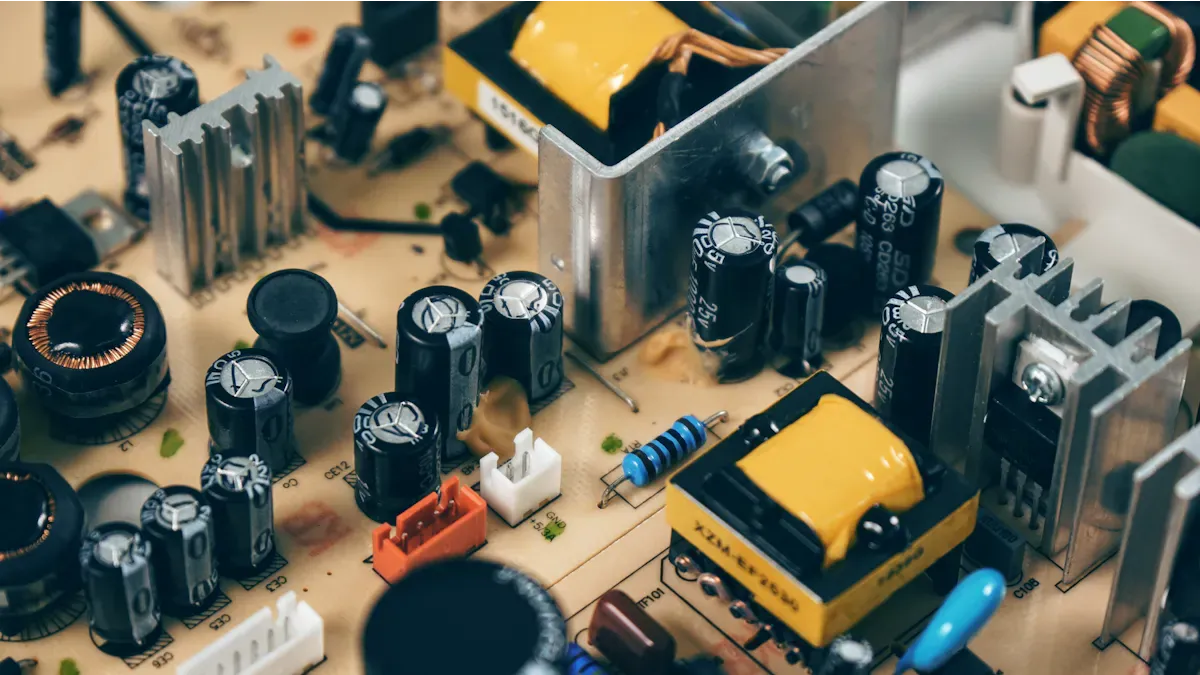
Car engineers work with small spaces and tricky layouts. They need to fit control units, sensors, and power modules in tight spots. Heavy copper PCB design helps them make boards that use high power but do not need more space. Thick copper layers let a strong current move and help shrink the board size. Designers can put parts close together because the board handles heat and stress well.
Sometimes, engineers must hide electronics behind dashboards or inside engines. Heavy copper pcb design lets them make small boards that still carry lots of power.
Many new cars have advanced driver-assistance systems. These systems need many chips and sensors on one board. Heavy copper PCB design makes these complex boards work well. It keeps circuits steady and stops them from getting too hot, even when parts are close.
| Challenge | Solution with Heavy Copper PCB Design |
|---|
| Limited space | Smaller board footprint |
| High power requirements | Thick copper layers |
| Complex circuit layout | Reliable current paths |
Integration of Multiple Functions
Car electronics must do more jobs in less space now. Heavy copper PCB design lets engineers put power, control, and signal circuits on one board. This means fewer separate modules and less weight.
Hybrid and Rigid-Flex Boards
Hybrid and rigid-flex boards use heavy copper PCB design to join bendy and stiff parts. These boards can bend around corners and fit in small places. They carry high power and do many jobs at once. Engineers use them in electric car batteries, infotainment, and lighting controls.
Hybrid and rigid-flex boards:1. Fit into odd shapes
2. Handle power and signals together
3. Need less wiring and fewer connectors
Rigid-flex boards with heavy copper pcb design can bend and twist. They keep connections strong and send high power where it is needed.
Custom Automotive Solutions
Each car model needs special solutions. Heavy copper PCB design gives engineers freedom to make custom boards. They can change copper thickness, board shape, and number of layers. This helps fix problems like heat, shaking, and high power needs.
Custom boards often:1. Give high power to electric motors
2. Resist heat and shaking
3. Fit in small spaces and still work well
Heavy copper PCBs help cars work well in tough places. Engineers use this for safety, power, and smart electronics. They see fewer problems and longer lives for the boards.
Safety and Longevity with Heavy Copper PCBs
Lower Failure Rates
Heavy copper printed circuit board designs work better in cars. Engineers see fewer problems when boards carry high current. Standard boards have thin copper traces. These can burn or crack when stressed. Heavy copper layers stop these issues. They keep circuits working during heavy use and sudden power jumps.
Many car systems need to carry a lot of current. Electric motors, power units, and battery management system modules push boards hard. If a printed circuit board cannot handle the load, it can cause breakdowns or safety problems. Heavy copper boards lower these risks. They keep connections strong and stop overheating.
Engineers see that boards with high current carrying capacity last longer in tough places. There are fewer repairs and less downtime for fleet vehicles.
A battery management system must work well. It controls charging, discharging, and cell balancing. Heavy copper boards help with high current carrying capacity. The system stays safe during fast charging or heavy use. This means batteries fail less and last longer.
| Failure Cause | Standard PCB Risk | Heavy Copper PCB Solution |
|---|
| Overheating | High | Low |
| Trace Burnout | Frequent | Rare |
| Vibration Damage | Common | Uncommon |
| Thermal Cycling | Weak | Strong |
Meeting Automotive Standards
Car electronics must follow strict rules for safety and reliability. Heavy copper boards help engineers meet these rules. They pass tests for shaking, heat, and high current. Boards with high current-carrying capacity can handle power surges and temperature changes without breaking.
Rules say printed circuit board assemblies must survive hard conditions. Heavy copper boards do this well. They fight off rust, stress, and very hot or cold weather. Engineers trust these boards in battery management system designs, powertrain controls, and safety modules.
Boards that meet car standards keep drivers and passengers safe. They keep systems working even when things change quickly.
Makers test heavy copper boards to see if they last a long time. They check if solder joints are strong and traces stay good under stress. Boards that pass these tests support high current-carrying capacity and keep cars safe.
Key benefits for meeting standards:●Works well in all weather
●Resist shaking and heat
●Fewer failures in important systems
Heavy copper boards give engineers peace of mind. They know the printed circuit board will work well in every car job.
Cost Efficiency and Fast Delivery
Balancing Performance and Cost
Automotive engineers must make hard choices about printed circuit boards. They want boards that can handle high current without losing power. Heavy copper PCB manufacturers make boards for strong electrical needs in cars. These boards have thick copper layers that help stop failures in motor control system jobs.
Many car projects need boards that can take a lot of current. Standard boards often break when used a lot. Heavy copper PCBs last longer and do not need as many repairs. This helps fleet owners and commercial vehicle operators save money on fixing things. Engineers see that spending more on heavy copper PCBs saves money later. The boards can take heat, shaking, and high current, so they do not need to be replaced as much.
Tip: Picking the right board for high current jobs stops costly breakdowns and keeps car systems working.
A simple table shows how costs compare:
| Factor | Standard PCB | Heavy Copper PCB |
|---|
| Initial Cost | Low | Moderate |
| Maintenance Frequency | High | Low |
| High-Current Failure | Common | Rare |
| Lifetime Value | Low | High |
Heavy copper PCBs help engineers save money over time. They stop voltage drop and power loss, which keeps electronics safe. This is important in electric cars, trucks, and regular cars that use high currents.
Shenzhen Benlida Circuit’s Service Advantages
Shenzhen Benlida Circuit is a top-heavy copper PCB manufacturer. They send boards fast, so car companies do not miss deadlines. Engineers like quick delivery because waiting can stop work. Benlida’s team knows cars need strong boards for high current.
Car projects often need special boards for motor control system modules or battery packs. Benlida can change copper thickness and board shape to fit these needs. Their way of working makes sure boards get made and shipped quickly.
Note: Fast delivery lets engineers test and use new systems without waiting a long time.
Benlida’s service is good because:
●They answer design changes fast
●They always have boards for high-current car jobs
●They help with voltage drop and power loss problems
●They make sure every batch is of good quality
Engineers trust Benlida for heavy copper PCBs that meet car rules. The company knows how to make boards for high-current jobs. Their fast delivery and smart prices help car projects stay on track.
Innovations in Heavy Copper PCBs
New Materials and Processes
Engineers notice new materials change how heavy copper PCBs work in cars. They use special copper alloys that stop rust and carry more current. These alloys help boards last longer in tough places. Some teams put ceramic fillers in the board base. Ceramic fillers help heat move away and make boards stronger. Boards near engines face lots of heat and shaking. Ceramic fillers keep boards from breaking.
Manufacturers use new ways to shape thick copper layers. Laser etching makes smooth edges and keeps traces strong. This stops weak spots that can cause problems. Engineers also use advanced lamination. Lamination presses layers together with heat and pressure. Boards stay flat and do not bend when hot.
Note: New materials and processes help boards last in hard spots inside electric vehicles.
Here is a simple list of what engineers use:
●Copper alloys for better current flow
●Ceramic fillers for heat and strength
●Laser etching for smooth traces
●Advanced lamination for flat boards
These changes let heavy copper PCBs handle more power. They work well in battery packs and motor control units for electric vehicles. Boards do not break when the current jumps or the heat rises fast.
Future Automotive Trends
Automotive engineers see heavy copper PCBs as important in new car designs. Electric vehicles need boards that carry high currents and manage heat. As cars get smarter, boards must fit more chips and sensors in small spaces. Heavy copper PCBs help engineers build small systems that do not get too hot.
Many electric vehicles use fast charging. Fast charging pushes lots of current through the board. If the board cannot handle this, batteries may break. Heavy copper PCBs keep charging safely and steadily. Engineers also use more rigid-flex boards. Rigid-flex boards bend around corners and fit inside battery packs. They carry power and signals together.
Tip: Heavy copper PCBs help fast charging and high-power systems in electric vehicles.
A table shows how trends change board needs:
| Trend | PCB Requirement |
|---|
| Fast charging | High current handling |
| Compact design | Small, strong boards |
| Smart sensors | Reliable signal paths |
| Battery packs | Heat management |
Engineers expect more electric vehicles soon. They need boards that last longer and work in tough places. Heavy copper PCBs meet these needs. Teams use new materials and new ways to build boards for future cars. Boards must handle high current, resist heat, and fit in small spaces. Heavy copper PCBs help fix these problems.
Electric vehicles push engineers to find better ways to build boards. They test new materials and try new methods. Heavy copper PCBs give them tools to make safe, reliable systems for tomorrow’s cars.
Heavy copper PCBs fix big problems in car electronics. They let lots of current move safely. They help parts stay cool and stop shaking, which can cause trouble. Engineers' notice boards break less and last longer. Small boards can be made strong.
●Strong current paths
●Better heat control
●High durability
●Flexible layouts
Shenzhen Benlida Circuit sends good boards quickly. Their team helps with special needs for hard car jobs. Heavy copper PCBs keep cars safe and working well.
About the auther:

Sonic Yang
As a major of Electronics and Mechanical Automation, Sonic has been engaged in PCB design, R&D, manufacturing of eletronics for around 22 years, as engineering director and coordinates with supply chain(components&CNC parts), providing professional supports and consults for global customers.

 en
en

 WhatsApp