● Appliances benefit from superb mechanical strength, resisting bending and vibration.
● Enhanced chemical corrosion resistance and long-term stability keep devices reliable.
| Application | Benefit |
|---|
| Refrigerators | Stable power delivery and prevention of overheating in control circuits. |
| Air Conditioners | Reliable cooling performance due to high current capacity and thermal management. |
| Washing Machines | Durability under variable loads for long-term use. |
Key Takeaways
● Heavy copper PCBs enhance appliance durability by using thicker copper layers, which improve heat dissipation and mechanical strength.
● These PCBs support high current applications, allowing appliances to operate safely at higher power levels without overheating.
● The technology reduces the risk of component failure, leading to fewer repairs and a longer lifespan for appliances.
● Heavy copper PCBs are essential for modern smart appliances, providing reliable performance and energy efficiency.
● Manufacturers increasingly adopt heavy copper PCBs for their ability to meet rising power demands and improve overall appliance reliability.
Heavy copper PCB technology
What defines heavy copper PCBs
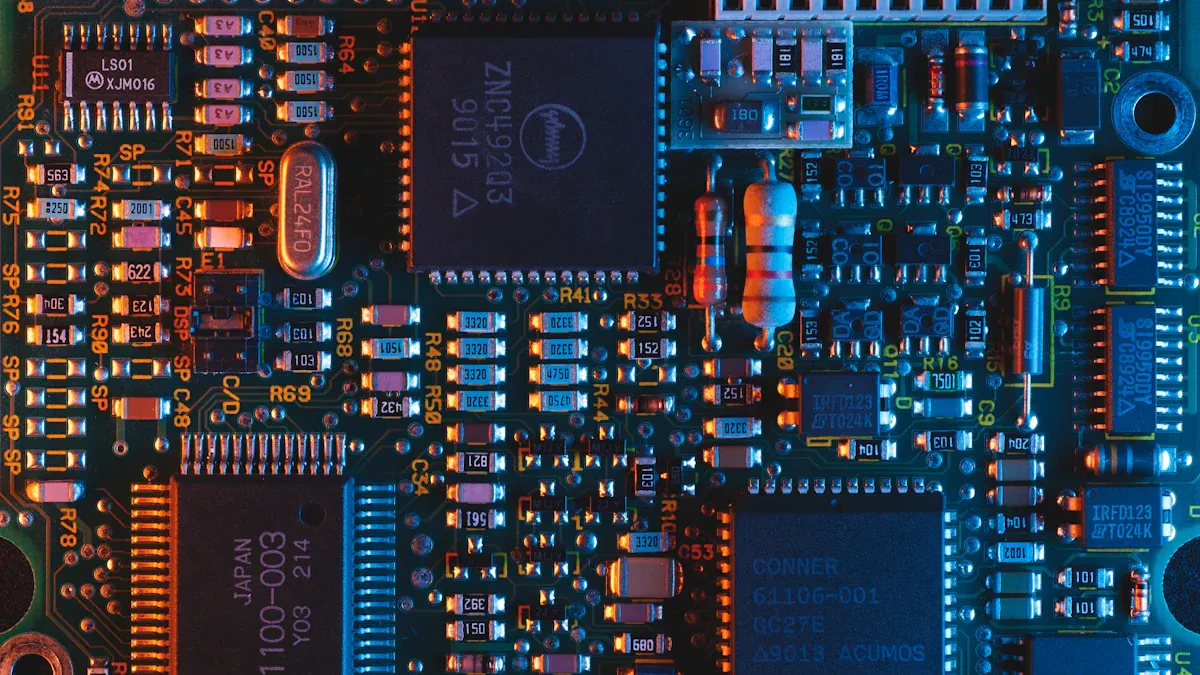
Heavy copper pcb technology stands out due to its unique design specifications. Engineers define heavy copper pcb by the amount of copper used in the board layers. The copper weight starts at 3 oz/ft² and can reach up to 20 oz/ft² or more. Most standard PCBs use only 0.5 to 1 oz copper foil thickness, but heavy copper pcb uses copper foil thickness of 1 oz (35μm) or greater. This increase in copper thickness gives the board the ability to carry higher currents and manage more heat.
● Copper weight starts at 3 oz/ft² and can reach 20 oz/ft².
● Inner layers can have up to 10 oz copper thickness.
● Outer layers can reach 20 oz copper thickness.
● High current carrying capacity and superior heat dissipation set heavy copper pcb apart from standard boards.
Copper thickness and current handling
Copper thickness plays a critical role in the performance of heavy copper pcb. Thicker copper traces allow the board to handle higher currents without overheating. This feature reduces the risk of thermal failures in appliances. Heavy copper pcb can use copper weights from 4 oz/ft² (about 140 µm) up to 10 oz/ft² (about 700 µm). Standard PCBs only use 0.5 oz/ft² to 3 oz/ft². The thicker copper in heavy copper pcb reduces I²R losses, which means less heat builds up during operation. Integrated heatsinks and copper core layers help conduct heat away from sensitive components.
● Enhanced current carrying capacity supports high-power appliances.
● Improved thermal management keeps circuits safe under stress.
● Heavy copper pcb manufacturing ensures reliability in demanding environments.
Multi-layer heavy copper PCBs
Multi-layer heavy copper pcbs offer several advantages for modern appliances. Multiple layers increase circuit density and allow for more complex designs. This approach supports high-performance applications and compact device fabrication. Multi-layer heavy copper pcbs also improve signal integrity and reduce electrical interference, which is important for smart home appliances.
● High-density circuits enable advanced features in appliances.
● Compact designs save space and reduce weight.
● Excellent signal integrity ensures reliable operation.
Heavy copper pcb manufacturing continues to evolve, making these boards more accessible for appliance makers. As technology advances, heavy copper pcb will remain essential for building durable, high-performance devices.
Thermal management in high-demand appliances
Heat dissipation advantages
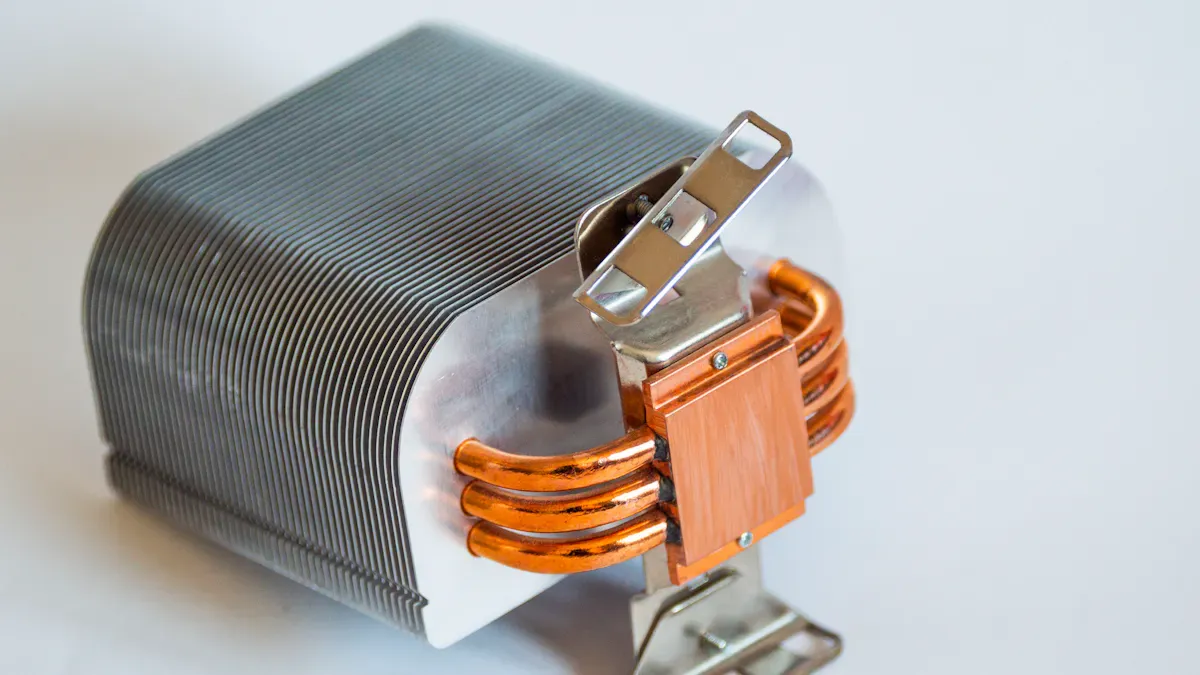
Heavy copper PCB technology transforms the way appliances handle heat. In high power systems, these boards use thick copper layers that act as built-in heat sinks. This design moves heat away from sensitive components, which protects circuits from overheating. The increased copper thickness boosts current carrying capacity, allowing the board to carry hundreds of amps without the traces melting.
Manufacturers often use thermal vias and optimized copper distribution to further improve heat transfer. A 10 oz/ft² copper plane can lower thermal resistance by up to 20% compared to narrower traces. Thermal vias can reduce component temperatures by 15-25°C in high power systems. Some materials used in heavy copper PCB construction offer thermal conductivities up to 200 W/m·K, which means heat moves quickly away from hot spots.
Tip: Appliances with heavy copper PCB can run at higher power levels without risking damage from excess heat.
| Feature | Benefit |
|---|
| High Current Capacity | Can carry hundreds of amps without the traces melting. |
| Thermal Management | Thick copper acts as a built-in heat sink, moving heat away from sensitive components. |
| Mechanical Strength | Provides stronger structural support, making the circuit board more robust and durable. |
| Simplified Design | Allows power and control circuits to exist on the same board, reducing the need for bulky wires or bus bars. |
| Design Flexibility | Multi-layer structure supports complex circuits and high-density integration. |
| Reliability | Excellent chemical corrosion resistance and long-term stability in harsh environments. |
Resistance to thermal cycling
Heavy copper PCB stands out for its resistance to thermal cycling. Appliances often face rapid temperature changes, especially in high current applications. These cycles can cause stress at connector sites and plated through holes. Heavy copper PCB uses larger copper cross-sections in these areas, which helps the board withstand mechanical stress and vibration.
Testing shows that standard 1 oz copper plating on FR-4 boards has a failure rate of about 32% after eight thermal cycles. In contrast, 2 oz heavy copper plating reduces this failure rate to just 0.6%. Heavy copper PCB resists cracking during extreme temperature swings, from 25 °C to 260 °C. This durability makes it ideal for high power systems, automotive, and industrial appliances that experience frequent thermal cycling.
● Heavy copper PCB resists mechanical stress and vibration.
● It maintains reliability in harsh environments.
● Lower failure rates mean longer appliance life.
Enhanced performance under stress
High power systems demand reliable operation under stress. Heavy copper PCB delivers enhanced performance by combining mechanical strength with improved thermal management. The thick copper layers support high current applications and prevent heat buildup. This design reduces the risk of component failure, even when appliances operate at maximum load.
Heavy copper PCB allows power and control circuits to share the same board. This simplifies design and reduces the need for bulky wires. The multi-layer structure supports high-density integration, which is important for modern smart appliances. Reliability increases because the board resists both thermal cycling and mechanical shock.
● Appliances with heavy copper PCB show fewer failures during stress tests.
● Improved thermal management keeps circuits safe and efficient.
● High current applications benefit from stable operation and long-term reliability.
Durability benefits of heavy copper PCBs
Mechanical strength and vibration resistance
Heavy copper PCB technology gives appliances a strong foundation. The thick copper layers add mechanical strength to the board. This strength helps appliances survive daily use and accidental drops. Many appliances face vibration and shock during operation. Heavy copper PCB reinforces plated through holes and edge connectors. These reinforcements protect the board from cracking or breaking. The copper layers absorb energy from vibration, which keeps the circuits safe. Appliances with heavy copper PCB can handle tough environments. They resist damage from both mechanical stress and heat. This durability means fewer repairs and longer service life.
● Reinforces plated through holes and edge connectors against vibration and shock
● Absorbs energy from vibration, protecting circuits
● Resists damage from mechanical stress and heat
Reduced component failure
Heavy copper PCB reduces the risk of component failure in high-power appliances. The thick copper layers carry more current without overheating. This feature prevents trace burnout and board failure. Appliances with heavy copper PCB show improved reliability. They need fewer repairs over time. The advanced thermal management in these boards keeps heat away from sensitive parts. This protection lowers the risk of fires or damage in high-power devices. Heavy copper PCB also offers cost-effective longevity. The initial investment may be higher, but the savings on repairs and replacements make it worthwhile. The board’s ability to handle heat and power ensures safe and stable operation.
● Improved reliability: Thicker copper layers reduce the risk of trace burnout and board failure, leading to appliances that last longer and require fewer repairs.
● Enhanced safety: Effective thermal management prevents overheating, reducing the risk of fires or component damage in high-power devices.
● Cost-effective longevity: While heavy copper PCBs may have a higher upfront cost, their durability and reduced failure rates save money on replacements and maintenance over time.
Extended appliance lifespan
Heavy copper PCB extends the lifespan of modern appliances. The board’s design enhances durability and mechanical strength. It manages heat efficiently, which is crucial for long-term performance. Appliances with heavy copper PCB operate at high power levels without overheating. The low-resistance pathways in the board increase energy efficiency. This design reduces the risk of burnout and keeps the appliance running smoothly. Heavy copper PCB technology supports both power and control circuits. This integration allows for compact designs and advanced features. The board’s ability to handle heat and energy ensures that appliances last longer and perform better.
● Heavy copper PCBs enhance the durability and mechanical strength of electronic devices.
● They effectively manage heat, which is crucial for prolonging appliance lifespan.
● These PCBs create low-resistance pathways, increasing efficiency and reducing burnout risks.
Note: Appliances with heavy copper PCB offer better energy savings, fewer breakdowns, and longer service life. This technology sets a new standard for reliability in 2026.
Applications and manufacturing trends
Heavy copper PCB manufacturing advances
Manufacturers continue to push the boundaries of heavy copper pcbs. They use advanced automation in plating and etching processes to achieve greater precision and repeatability. AI-based systems monitor quality control in real time, reducing defects and speeding up production cycles. Many factories adopt lead-free and environmentally friendly production methods as global regulations tighten. Engineers integrate mixed copper weights in multilayer stacks to optimize performance and material use. These innovations allow heavy copper pcbs to deliver high current and power handling with improved thermal management.
Factories now produce heavy copper pcbs with high thermal conductivity, supporting high power electronics and high power devices.
| Manufacturing Innovation | Impact on Heavy Copper PCBs |
|---|
| Automated plating & etching | Higher precision and repeatability |
| AI-based quality control | Fewer defects, faster cycles |
| Mixed copper weights | Optimized performance and material use |
| Lead-free production | Compliance with environmental standards |
Use in smart home appliances
Heavy copper pcbs play a vital role in smart home appliances. These boards manage high current and power loads, ensuring reliable operation. Smart refrigerators, washing machines, and air conditioners use heavy copper pcbs to handle complex electronics and high power connections. The boards dissipate heat efficiently, protecting sensitive circuits from thermal stress. High thermal conductivity allows appliances to run longer without overheating. Heavy copper pcbs support compact designs and advanced features, making smart appliances more energy efficient and durable.
● Smart refrigerators use heavy copper pcbs for stable power delivery and heat management.
● Washing machines rely on heavy copper pcbs to handle high current and thermal cycling.
● Air conditioners benefit from improved heat dissipation and high power electronics integration.
Industry adoption in 2026
In 2026, appliance manufacturers widely adopt heavy copper pcbs across many applications. The boards appear in renewable energy systems, industrial control systems, and medical equipment. Companies value the ability of heavy copper pcbs to manage high current, power, and heat in demanding environments. Industry trends show a shift toward multilayer heavy copper pcbs with mixed copper weights. Automation and AI-driven quality control improve reliability and reduce production costs. Lead-free manufacturing becomes standard as regulations evolve.
● Manufacturers use heavy copper pcbs in high power electronics and high power devices.
● Heavy copper pcbs support applications with high current and thermal demands.
● Industry trends favor multilayer designs and advanced quality control.
● Heavy copper pcbs set new standards for durability and performance in electronics.
Heavy copper pcb technology supports longer-lasting appliances by combining high current capacity, excellent heat dissipation, and strong mechanical strength. Manufacturers in 2026 rely on these boards to meet rising power demands and improve reliability. Jerico’s advancements allow power and motor-control designs to handle higher currents while maintaining familiar materials. Future trends point to even greater adoption as smart appliances and demanding applications grow. Appliance designers and buyers should consider this technology for better performance and durability.
● High current carrying capacity
● Superior heat management
● Enhanced mechanical strength
FAQ
What is a heavy copper PCB?
A heavy copper PCB uses thick copper layers, usually 3 oz/ft² or more. This design allows the board to handle higher currents and manage heat better than standard PCBs.
Why do appliances need heavy copper PCBs?
Heavy copper PCBs help appliances run safely at high power. They prevent overheating, reduce failures, and extend the lifespan of devices. Manufacturers choose them for reliability and durability.
Are heavy copper PCBs more expensive?
Heavy copper PCBs cost more to produce than standard boards. However, they save money over time by reducing repairs and replacements. Many manufacturers see them as a smart investment.
How do heavy copper PCBs improve safety?
Heavy copper PCBs lower the risk of overheating and electrical fires. They keep circuits cool and stable, even during heavy use. This design protects both the appliance and the user.
As a major in Electronics and Mechanical Automation, Sonic has been engaged in PCB design, R&D, and manufacturing of electronics for around 22 years, as the engineering director, and coordinates with the supply chain(components and CNC parts), providing professional support and consulting for global customers.

 en
en


.webp)

 WhatsApp