PCB assembly for the lighting drive device plays a critical role in powering high-performance lighting at home. Modern systems often rely on LED PCB assembly to deliver efficient and reliable illumination. Proper heat dissipation and strong electrical performance allow lighting products to last longer and work safely.
● Led PCB assembly boosts energy efficiency, helping reduce household energy use.
●It supports customizable and flexible lighting designs, making lighting more convenient.
●Advanced heat management prevents overheating, which keeps LED lights reliable for daily use.
PCB Assembly for Lighting Drive Device
What Is PCB Assembly
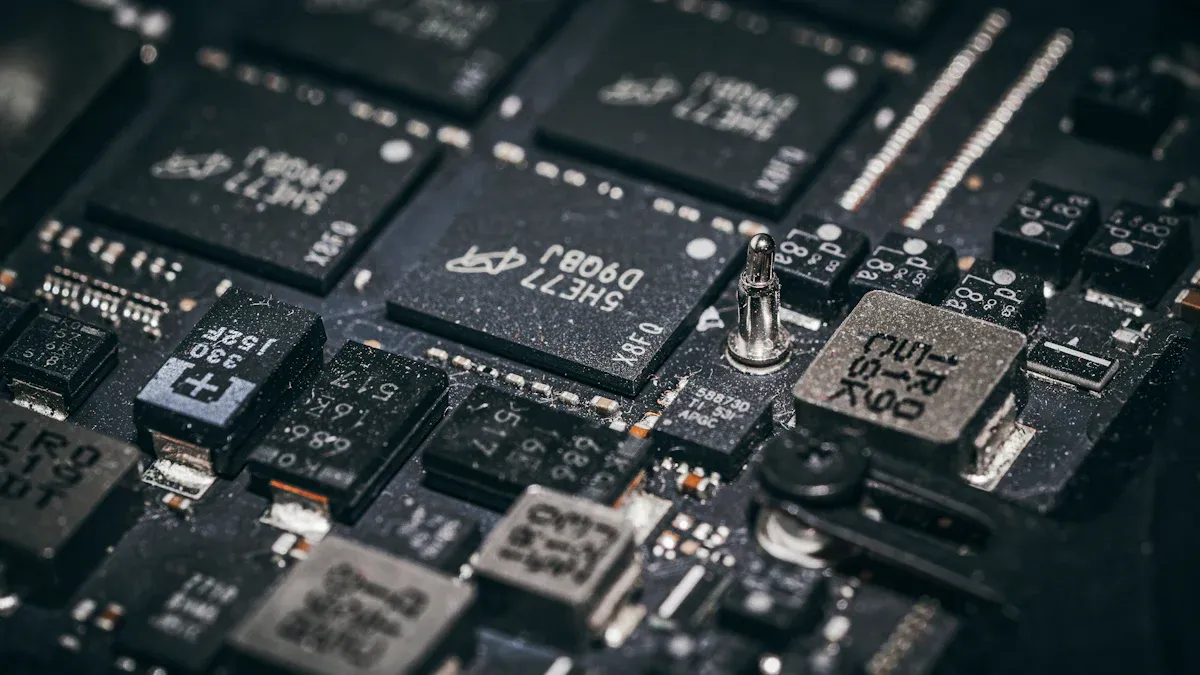
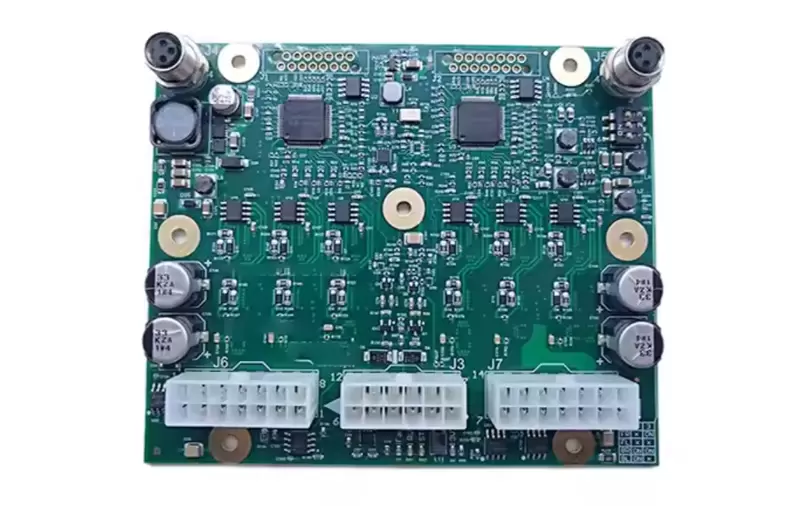
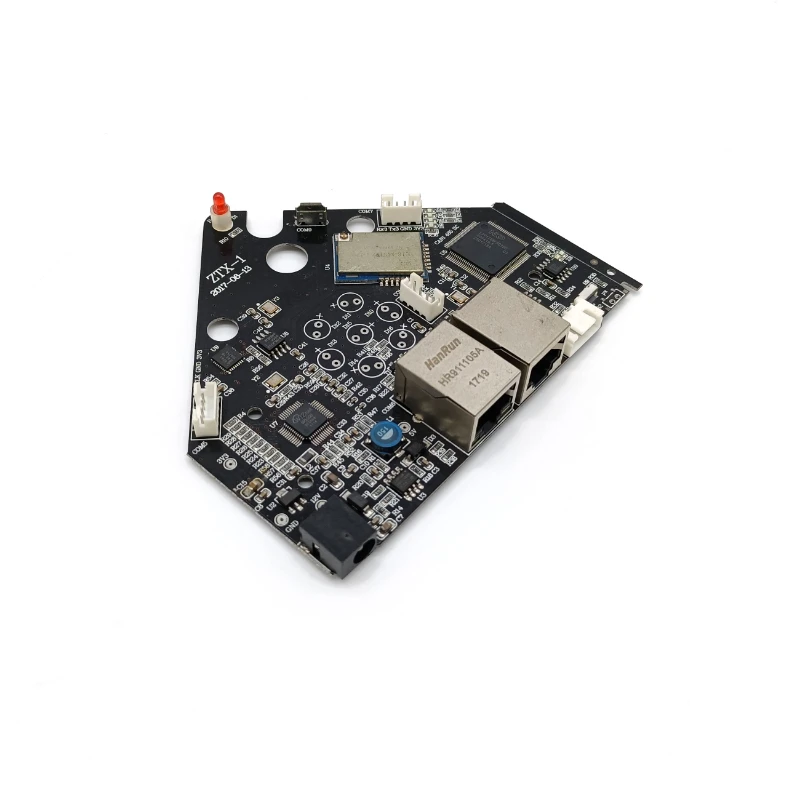
PCB assembly for a lighting drive device refers to the process of mounting electronic components onto a printed circuit board. This process forms the foundation for LED PCB assembly, which is essential in modern lighting systems. The assembly involves several steps that ensure each component is placed accurately and functions as intended.
Manufacturers use both manual soldering and automated methods like wave soldering to attach components. After assembly, final inspection, and functional testing, confirm that the PCB operates correctly under simulated conditions.
The main components involved in PCB assembly for the lighting drive device include resistors, capacitors, and inductors. These parts work together to manage current, store energy, and filter signals. The table below shows their functions and applications:
| Component | Function | Applications |
|---|
| Resistors | Current limitation, voltage division | Signal conditioning, voltage regulation |
| Capacitors | Energy storage, signal filtering | Power supply smoothing, signal coupling |
| Inductors | Magnetic energy storage | Filtering, impedance matching |
Quality control measures play a vital role during assembly. LED component qualification ensures color and brightness consistency. Forward voltage testing confirms electrical specifications. Thermal resistance measurements validate heat dissipation capabilities. Reliability data review, sample testing, and moisture sensitivity level tracking help prevent defects. Solder paste inspection, in-circuit testing, environmental stress testing, and burn-in and life testing further guarantee the reliability of LED PCB assembly.
Role in Lighting Drive Devices
PCB assembly for lighting drive device enables efficient power management and control in home lighting systems. LED PCB assembly supports advanced features such as dimming and energy-efficient operation. The assembly process allows for compact designs, which are essential for modern fixtures and smart lighting devices.
Surface mount technology (SMT) used in PCB assembly for lighting drive devices creates smaller and denser circuits compared to traditional wiring methods. The table below compares SMT and traditional wiring:
| Advantage | Surface Mount Technology (SMT) | Traditional Wiring Methods |
|---|
| Circuit Size | Smaller and denser circuits | Larger, less dense circuits |
| Power Rating | Lower power ratings | Higher power ratings |
| Inductance and Capacitance | Reduced inductance and capacitance | Higher inductance and capacitance |
Industry standards guide the quality of PCB assembly for the lighting drive device. IPC Class 2 is suitable for most lighting applications, while Class 3 is essential for critical environments like traffic safety lighting. The table below summarizes these standards:
| IPC Class | Description | Relevance to Lighting Drive Devices |
|---|
| Class 1 | General electronic products | May suffice for non-critical applications |
| Class 2 | Dedicated service for electronic products | Suitable for most lighting applications |
| Class 3 | High-reliability electronic products | Essential for critical environments like traffic safety lighting |
PCB assembly for the lighting drive device enhances safety by managing the heat generated by LED components. Effective heat dissipation preserves the structural integrity of the printed circuit board and prevents overheating. PCB assemblies also facilitate power management and dimming capabilities, which improve energy efficiency and safety in both residential and commercial lighting.
LED PCB assembly ensures consistent performance and longevity. Quality control measures, such as LED component qualification and environmental stress testing, help maintain high standards. These practices support reliable operation and reduce the risk of failures.
LED PCB Assembly and Heat Management
Heat Dissipation in LED Lighting
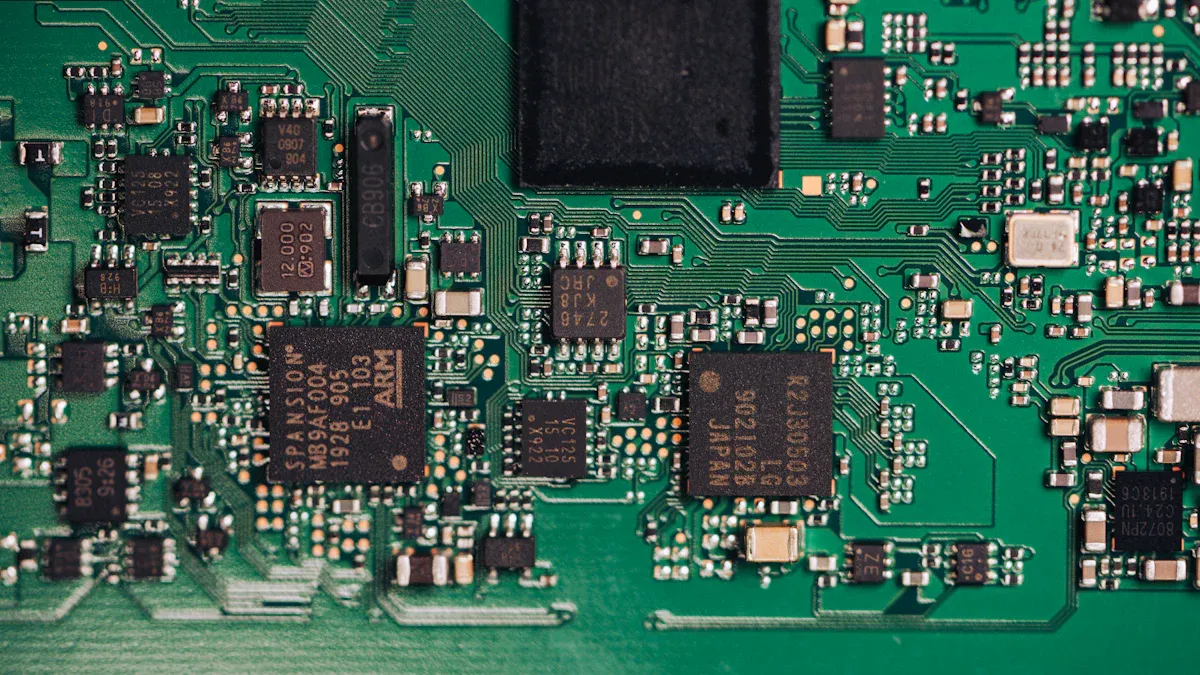
Heat management is a key factor in the performance of LED PCB assembly. When an LED operates, it generates heat that must be removed quickly to prevent damage. Engineers use several advanced techniques to improve heat dissipation in lighting products. The table below shows some of the most effective methods:
| Technique | Description |
|---|
| Multi-Layer Copper Cladding | Enhances lateral heat spreading with thick copper layers and optimized trace patterns. |
| Ceramic-Enhanced Dielectric | Improves vertical heat transfer using special dielectric materials like aluminum nitride. |
| Micro-Channel Embedded Cooling | Integrates fluid channels for active cooling in high-power applications. |
| Thermal Via Arrays | Creates direct thermal pathways with copper-plated holes beneath LED pads. |
| Phase Change Materials | Absorbs and redistributes heat using paraffin-based layers. |
| Graphene-Coated Interfaces | Reduces resistance to heat flow with graphene coatings. |
| Topological Optimization | Maximizes surface area for better cooling using advanced design algorithms. |
Material selection also plays a major role in heat management. Aluminum-core PCBs and copper PCBs are common in custom LED PCBs because they conduct heat away from the LED efficiently. Specialized materials like aluminum nitride are used in high-performance or photography lighting. The right combination of materials and techniques ensures that LED PCB assembly can handle the thermal demands of modern lighting.
Electrical Performance and Reliability
A well-designed LED PCB assembly supports stable power delivery and consistent brightness. It prevents flickering and overheating, which are common problems in low-quality lighting. Custom LED PCBs allow engineers to optimize the layout for each application, improving both electrical and thermal performance.
The table below highlights how PCB assembly impacts LED lighting systems:
| Aspect | Impact on LED Performance |
|---|
| Power Delivery | Ensures stable operation and prevents flickering |
| Heat Dissipation | Reduces the risk of overheating, enhancing reliability |
| Consistent Brightness | Maintains uniform light output across applications |
Reliability testing is essential for every LED PCB assembly. Manufacturers use methods such as high-potential testing, thermal performance validation, and burn-in testing. These tests confirm that the assembly can withstand real-world conditions and deliver long-lasting performance.
PCB Assembly Function and Benefits
Efficient Power Delivery
PCB assembly in lighting drive devices ensures that electrical energy reaches each component efficiently. This process improves power distribution, which is essential for stable and bright illumination. Efficient power delivery reduces energy consumption and supports sustainable living at home.
●Energy-efficient lighting lowers electricity bills.
●Durable systems require less maintenance.
●Long-lasting lighting solutions minimize replacement costs.
●LED PCBs can reduce energy consumption by at least 75% compared to traditional light bulbs.
●They consume significantly less power than incandescent or fluorescent lights.
●This efficiency leads to a reduced environmental impact.
The benefits of efficient power delivery extend beyond cost savings. It also enhances user comfort and supports advanced features such as dimming and color control. The table below summarizes measurable benefits for homeowners and technical impacts on the control board:
| Feature Category | Benefit to User | Technical Impact on Control Board |
|---|
| Energy Efficiency | Reduced operational costs, lower carbon footprint | Precise dimming circuits, sensor integration, and efficient power management ICs |
| User Comfort & Well-being | Improved productivity, mood, and visual experience | Accurate color rendering, tunable white control, flicker-free output |
| Aesthetic & Design Flexibility | Enhanced architectural appeal, dynamic environments | Robust RGBW control, scene memory, and versatile output channels |
| System Integration | Centralized control, simplified management, and data insights | Multi-protocol communication interfaces, robust processing power |
| Operational Automation | Reduced manual effort, consistent performance | Reliable real-time clocks, sensor inputs, programmable logic controllers |
Longevity and Safety
PCB assembly contributes to the longevity and safety of home lighting systems. Proper heat dissipation prevents overheating, which can damage components and shorten their lifespan. LED PCBs enable designs that optimize heat management, making lighting safer for daily use.
●Compact form factors reduce the risk of overheating.
●Energy-efficient designs minimize electrical hazards.
●Compliance with UL certification ensures lighting products do not pose fire risks.
●RoHS compliance guarantees that materials used are safe for consumers and the environment.
Lighting systems with reliable PCB assembly last longer and require fewer repairs. Safety features protect users from electrical accidents and fire hazards. Homeowners benefit from peace of mind, knowing their lighting is both durable and secure.
Compact Design Advantages
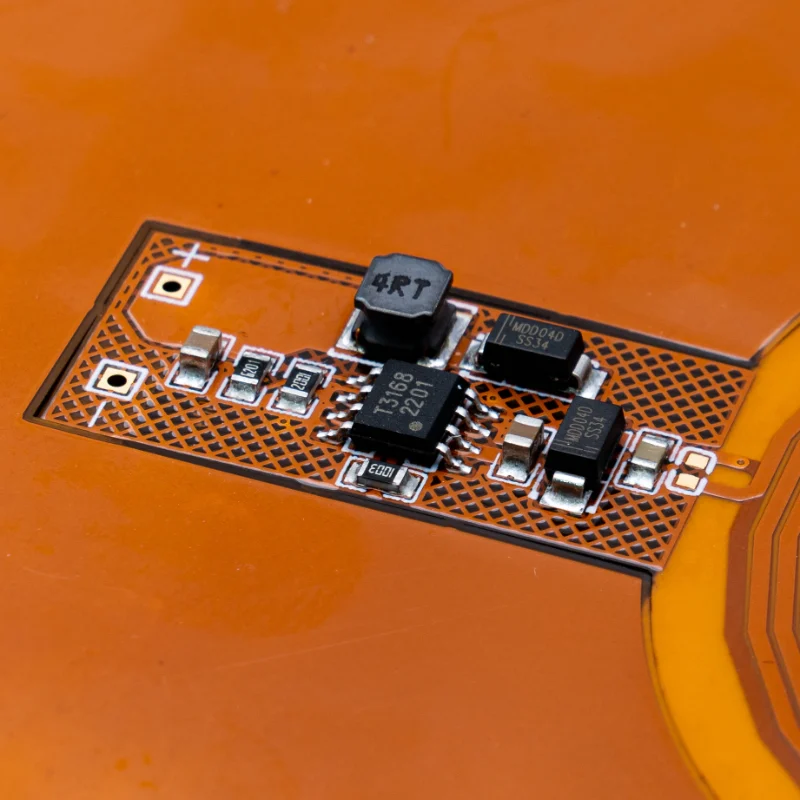
Modern lighting products often require compact and flexible designs. PCB assembly allows manufacturers to create smaller and lighter devices without sacrificing performance. Flexible PCBs can bend and fold, fitting into intricate spaces and supporting dynamic applications.
| Advantage | Description |
|---|
| Minimizes product weight | Flexible PCBs are lighter than traditional rigid boards, reducing overall weight. |
| Reduces overall product size | The compact nature of flexible PCBs allows for smaller device dimensions. |
| Supports complex three-dimensional packaging | Flexible circuits can be shaped to fit into intricate designs. |
| Allows moving or dynamic applications | They can bend and fold, accommodating movement within devices. |
●Bendability and foldability enhance design options for lighting products.
●Space efficiency is essential for modern fixtures and portable solutions.
●Lightweight construction makes installation easier and supports innovative designs.
Compact PCB assembly enables lighting products to fit into tight spaces, such as under cabinets or inside decorative fixtures. This flexibility allows homeowners to customize their lighting and enjoy creative solutions that match their style.
Choosing Lighting with PCB Assembly
Quality and Durability Factors
Homeowners should pay close attention to quality certifications when selecting lighting products with PCB assembly for the lighting drive device. Certifications ensure that the product meets safety, environmental, and performance standards. The table below highlights important certifications for LED panel light aluminum PCBs:
| Certification Name | Applicable Scope for LED Panel Light Aluminum PCB |
|---|
| IATF 16949 | Automotive-grade LED panel light PCBs, ensuring compliance with automotive industry quality requirements |
| ISO 9001:2015 | General quality management system, covering all LED Panel Light Aluminum PCB production processes |
| ISO 13485:2016 | Medical-grade LED panel light PCBs, suitable for healthcare lighting applications |
| AS9100D | Aerospace-grade PCBs for high-reliability LED panel lights in aerospace applications |
| REACH | Compliance with EU chemical regulations, ensuring safe materials for LED Panel Light Aluminum PCB |
| RoHS | Restriction of hazardous substances, making our PCBs environmentally friendly |
| UL | Safety certification, ensuring our LED Panel Light Aluminum PCB meets global safety standards. |
Lighting products with pPCB assembly are built to withstand harsh conditions such as dust, moisture, and temperature changes. This durability means fewer replacements and less maintenance over time. In demanding environments like automotive or industrial settings, high-performance PCB lighting is essential for reliability. The quality of surface mount technology and thermal management in LED PCB assembly also plays a key role in preventing failures and extending the lifespan of lighting products.
Compatibility Considerations
When integrating new lighting with PCB assembly into an existing home system, compatibility is a major concern. Several issues can arise:
●Different communication protocols, such as Zigbee, Z-Wave, WiFi, Bluetooth, and Matter, may prevent devices from working together.
●Proprietary standards from various vendors can cause incompatibility between brands.
●Improper installation can lead to dimming problems, flickering, or wiring issues.
●Mixing components from different manufacturers may result in poor lighting performance.
Led PCB assembly influences product selection by supporting modern housing designs and enabling discreet installation. Flexible design options allow for various control methods, which can enhance the functionality of home lighting. Homeowners should check that new lighting products match their existing systems and meet their needs for reliability and performance.

Home Lighting Examples with PCB Assembly
LED Bulbs and Fixtures
LED bulbs and fixtures are common in homes today. These products rely on PCB assembly for lighting drive devices to deliver consistent performance. Metal-core PCBs and integrated heat sinks help manage heat efficiently. High-power LED applications benefit from advanced thermal management solutions. Manufacturers use controlled reflow profiles and thermal vias under LEDs to reduce solder joint defects. This approach leads to a 30% decrease in solder joint issues.
LED fixtures maintain their brightness over time. Improved lumen maintenance is observed after 5,000 hours of operation. Enhanced heat dissipation techniques extend the lifespan of LED bulbs and fixtures. Homeowners experience fewer replacements and enjoy reliable lighting every day.
Metal-core PCBs and heat sinks improve heat dissipation.
Thermal vias and controlled reflow profiles reduce solder joint defects.
LED fixtures show better reliability and longer life.
Smart Lighting Devices
Smart lighting devices use LED PCB assembly to achieve energy efficiency and longevity. These devices include smart bulbs, panels, and integrated lighting systems. LED PCBs allow for flexible designs that fit various applications. Smart lighting systems use PCB assembly to optimize energy use through remote control and automation.
LED PCBs are integral to lighting control systems in smart homes. Users can adjust brightness and color to suit their preferences. This level of control helps save energy and extends the life of smart lighting devices. Optimized heat dissipation ensures that smart bulbs and panels last longer.
●LED PCBs provide energy-efficient solutions for smart lighting.
●Flexible designs enhance both efficiency and longevity.
●Remote control and automation optimize energy use.
●Durable construction ensures long-lasting performance.
PCB assembly for lighting drive devices and LED PCB assembly transform home lighting by improving efficiency, safety, and reliability. The table below shows how each PCB layer supports these benefits:
| Layer Type | Description |
|---|
| Circuit Layer | Connects LEDs and components; copper thickness matches current needs. |
| Dielectric Layer | Transfers heat while keeping electrical parts isolated. |
| Base Layer | Uses materials like aluminum or ceramic to boost thermal performance. |
Flat LED bulbs use these advanced assemblies. They offer better heat control, energy savings, and longer life. Homeowners should consider these features when upgrading their lighting.
About the author:

Sonic Yang
As a major in Electronics and Mechanical Automation, Sonic has been engaged in PCB design, R&D, and manufacturing of electronics for around 22 years, as the engineering director, and coordinates with the supply chain(components and CNC parts), providing professional support and consulting for global customers.

 en
en

 WhatsApp