Benlida, PCBWay, JLCPCB, and Smart Prototyping stand out as trusted providers offering PCB firmware flashing for a range of electronic projects. These services program microcontrollers or chips with custom firmware, transforming raw hardware into functional devices. Providers handle tasks like firmware installation, system validation, and troubleshooting, using specialized tools and rigorous testing methods. Businesses and hobbyists benefit from faster production, reliable results, and expert support, making complex electronics projects much more manageable.
●Choose the right PCB firmware flashing service based on your project size and timeline. This ensures you get the support and speed you need.
●Utilize online platforms for convenience and quick access to firmware flashing services. They often provide secure methods and expert support.
●Prioritize quality and reliability by selecting providers with strict verification procedures. This helps prevent errors and ensures consistent performance.
●Communicate clearly with your provider to align expectations and improve collaboration. This can lead to better results and smoother workflows.
●Prepare your firmware files carefully to avoid issues during flashing. Proper documentation and testing can save time and reduce errors.
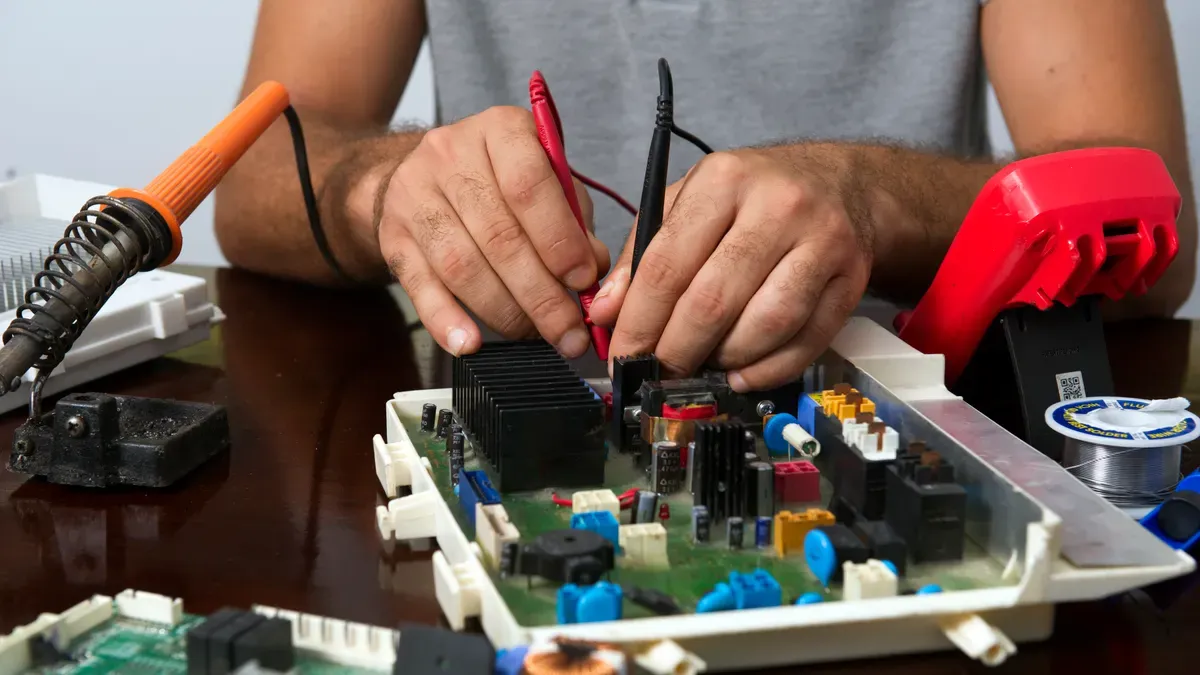
Types of pcb firmware flashing services
The electronics industry offers several types of pcb firmware flashing services. Each type serves different needs and project sizes. The table below summarizes the most common service types and their applications:
| Service Type | Description | Typical Applications |
|---|
| On-Line / In-Line Programming | Programming during assembly, usually after soldering but before enclosure. | Consumer electronics, IoT devices, automotive modules, smart home |
| Bootloader & Firmware Flashing | Loading a bootloader first, then the main firmware. | Devices needing updates, secure systems, complex products |
| Device Configuration & Calibration | Writing unique parameters like MAC addresses or calibration data. | Networked devices, measurement tools, personalized electronics |
| Secure Provisioning | Programming security keys and encrypted firmware for hardware security. | Payment terminals, medical devices, industrial controllers |
Online platforms
Online platforms such as PCBWay and JLCPCB provide pcb firmware flashing services through web-based ordering systems. Customers upload their firmware files and instructions. The platforms use secure methods, like USB-C based UART programmers, to flash the firmware. This approach reduces the need for extra hardware and keeps the process safe. Many platforms also offer support for firmware development and electronic design, making them a convenient choice for remote users.
Local service shops
Local service shops offer hands-on pcb firmware flashing for small batches or urgent needs. Customers bring their PCBs and firmware directly to the shop. Technicians use specialized tools to program the chips and may provide immediate troubleshooting. This option suits hobbyists or businesses that need quick turnaround and face-to-face support.
Manufacturer solutions
Manufacturers like Benlida integrate pcb firmware flashing into their production lines. They handle the entire process, from receiving the firmware to programming and quality checks. Their experience with electronics and IoT devices ensures high reliability and performance. Manufacturers perform thorough inspections, including surface analysis and welding quality checks, to deliver consistent results. This service is ideal for companies seeking streamlined production and strict quality control.
Third-party providers
Third-party providers, such as Smart Prototyping, offer flexible pcb firmware flashing services for various projects. They may not have the same level of specialization as manufacturers, but they can handle diverse requirements. Customers send their boards and firmware, and the provider manages the programming and basic validation. This option works well for prototypes or low-volume runs.
Tip: Choose the service type that matches your project size, timeline, and quality needs.
Key features and benefits
Speed and turnaround
Fast delivery is a major advantage of modern pcb firmware flashing services. Many providers use automated equipment and streamlined workflows to reduce waiting times. Customers can expect rapid order processing, especially when working with manufacturers that have high-capacity production lines. Quick turnaround helps businesses bring products to market faster and allows hobbyists to complete projects without long delays.
Quality and reliability
Quality and reliability are essential in pcb firmware flashing. Providers use strict verification procedures to ensure firmware integrity. These steps eliminate risks of data loss or corruption. Common methods include:
●Checksum verification to confirm data accuracy
●Functional testing to make sure devices work as intended
●Thorough inspection of each programmed board
Skilled engineers operate advanced flashing equipment. This ensures accurate and stable programming results. Reliable processes help prevent errors and support consistent product performance.
Functional testing is a critical measure for identifying product defects and ensuring that final performance meets expectations. By simulating the product's final operating state, functional testing allows manufacturers to effectively intercept unforeseen issues before shipment.
Support and service
Excellent support and service set top providers apart. Many companies offer dedicated customer service teams to answer questions and solve problems. Customers receive guidance on preparing firmware files and instructions for their orders. Some providers also offer after-sales support, helping users troubleshoot any issues that arise after delivery.
Pricing and value
Pricing for pcb firmware flashing varies by provider and order size. Many services offer competitive rates, especially for bulk orders. Customers benefit from transparent pricing models and clear quotes before production begins. Value comes from a combination of affordable pricing, reliable results, and strong customer support. Choosing the right provider ensures both cost savings and peace of mind.
Top PCB firmware flashing providers
Benlida Firmware Flashing Service
Benlida has earned a reputation for excellence in the electronics industry. The company offers a comprehensive in-house pcb firmware flashing service. Customers benefit from a streamlined process. Benlida manages every step, from receiving firmware files to programming and quality checks. This approach reduces the risk of errors and ensures consistent results.
Quality control stands as a core strength for Benlida. The company uses a six-stage inspection process. Each board undergoes thorough testing before shipment. High-grade materials and advanced equipment support reliable performance. Benlida also follows internationally recognized quality management systems.
Customer support remains a top priority. Benlida provides a 24-hour rapid response service. Clients receive guidance before, during, and after production. This level of support helps businesses and hobbyists solve problems quickly. Fast turnaround times are possible due to eight high-speed SMT lines and a large daily production capacity. Benlida’s service helps customers bring products to market faster and with greater confidence.
Note: Benlida’s one-stop solution simplifies production for clients. Customers only need to provide firmware and instructions. Benlida handles the rest.
PCBWay and JLCPCB
PCBWay and JLCPCB are two of the most popular providers in the market. Both companies offer reliable pcb firmware flashing services. They have large-scale operations and serve customers worldwide. The table below compares their main features:
| Manufacturer | Strengths/Features | Pricing | Customer Satisfaction |
|---|
| PCBWay | High daily processing capacity, time-saving service, skilled staff | Generally higher than JLCPCB | Good quality and support, but some perceive it as more expensive |
| JLCPCB | Customization options, cost-effectiveness, automated production | Low prices, even for small orders | Some complaints about silkscreen and solder mask quality, but popular among hobbyists |
PCBWay focuses on high-volume production and time-saving services. Their skilled staff can handle complex projects. Some customers find their prices higher, but they appreciate the quality and support. JLCPCB stands out for its cost-effectiveness and customization options. Many hobbyists choose JLCPCB for small orders. Some users have noted issues with silkscreen and solder mask quality, but overall satisfaction remains high.
Smart Prototyping and others
Smart Prototyping offers a different approach compared to large manufacturers. The company specializes in rapid lead times and same-day prototyping services. Customers receive personalized engineering support from a dedicated team of technicians. This support is valuable during the prototyping phase, when quick changes and expert advice are needed.
Other providers may focus on flexibility and low-volume runs. Smart Prototyping’s emphasis on individualized service sets it apart. In contrast, PCBWay and JLCPCB prioritize low-cost, high-volume production. They offer less personalized support. Businesses and hobbyists who need fast prototypes and direct communication with engineers often choose Smart Prototyping.
Tip: Consider your project’s size, timeline, and support needs when selecting a provider. Each company offers unique strengths for different situations.
Choosing the right service
Compatibility and requirements
Selecting a PCB firmware flashing service starts with understanding compatibility and technical requirements. Hardware and software must work together for successful firmware installation. Providers often support a range of microcontrollers, such as STM32 chips, and sensors. Matching these components ensures optimal performance.
| Aspect | Importance |
|---|
| Firmware Compatibility | Ensures functionality across different hardware revisions. |
| Microcontroller Support | Necessary to avoid issues during the flashing process; specific chips may be required. |
| Sensor Compatibility | Ensures that the PCB includes compatible sensors for optimal firmware performance. |
●Verify that the PCB hardware supports the chosen software.
●Ensure compatibility with microcontrollers.
●Match sensor data rates with firmware requirements.
Turnaround and delivery
Turnaround time and delivery reliability are key factors. Providers with automated production lines and high-capacity equipment can process orders quickly. Fast delivery helps businesses launch products sooner and allows hobbyists to finish projects without delay. Tracking systems and clear communication from the provider make the process smoother. Customers should ask about estimated lead times and shipping options before placing an order.
Tip: Choose a service with proven fast turnaround if your project has tight deadlines.
Reviews and reputation
Reviews and reputation offer valuable insight into service quality. Reading customer feedback helps identify providers with consistent results and strong support. High ratings often indicate reliable flashing, accurate programming, and responsive customer service. Comparing reviews across platforms can reveal strengths and weaknesses. Reputation builds trust and reduces risk for new customers.
Additional considerations
Several other factors influence the choice of a PCB firmware flashing service:
1.Well-defined physical interface ensures proper connections and reduces re-flashing needs.
2.Hardware/software synchronization automates processes and enhances traceability.
3.Flash station scalability allows adaptation for varying production volumes.
Long-term support also matters. Providers who offer firmware maintainability, secure update mechanisms, and planning for obsolescence help ensure the longevity and reliability of your devices. These considerations protect your investment and support future upgrades.
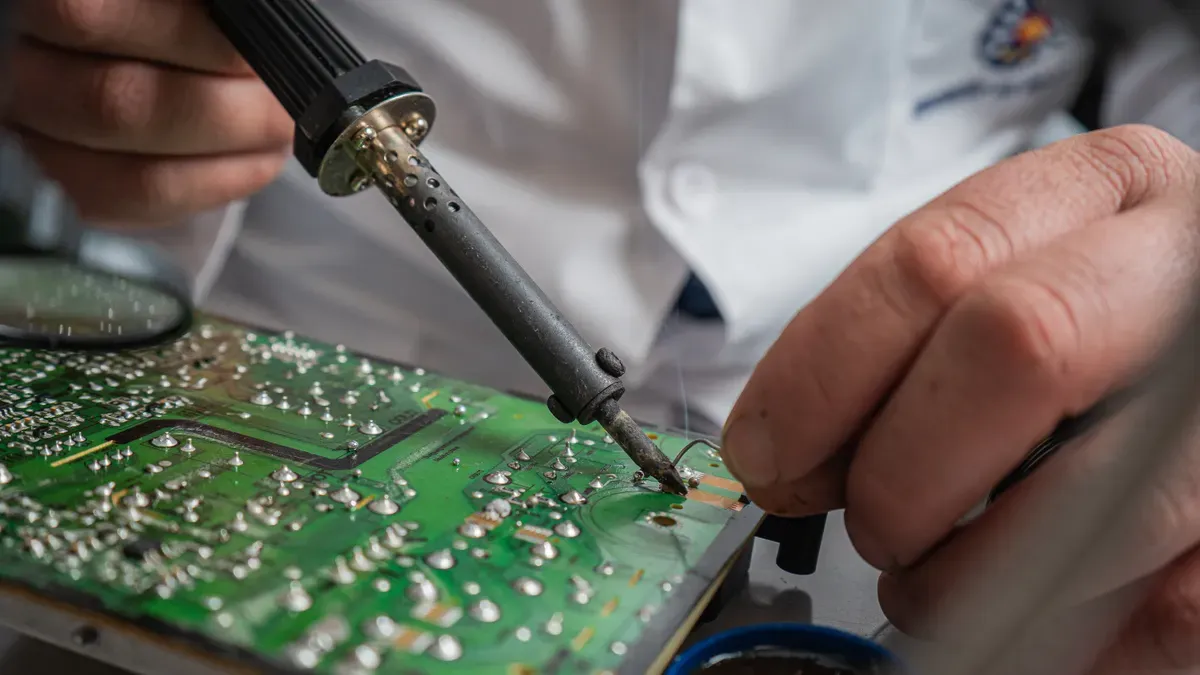
Tips for effective use
Preparing your firmware
Proper preparation of firmware files helps ensure a smooth flashing process. Start by designing your PCB with programming in mind. Accessible ISP headers and good signal integrity make programming easier and more reliable. Always test a sample batch of boards to confirm that the programmed devices work as expected in their final application. Regular maintenance of your programming equipment, such as cleaning and replacing worn socket pins, keeps the process consistent. Documentation is also important. Keep detailed records of firmware versions and programming parameters for future reference. For sensitive projects, use code protection and secure provisioning to safeguard your firmware.
●Design for programming with accessible headers
●Validate firmware with sample testing
●Maintain and calibrate programming equipment
●Document firmware versions and parameters
●Protect firmware security for sensitive applications
Tip: Careful preparation reduces errors and saves time during production.
Communicating with providers
Clear communication with your PCB firmware flashing provider leads to better results. When you share your requirements and expectations, you help the provider understand your goals. This alignment builds trust and ensures that both parties work toward the same outcome. Engaging with your provider can also open doors to new opportunities and partnerships. Many successful projects begin with open and honest discussions about needs and challenges.
●Share clear requirements and instructions
●Establish expectations early in the process
●Stay engaged for better collaboration
Note: Effective communication often leads to smoother workflows and higher satisfaction.
Troubleshooting basics
Problems can occur during firmware flashing, but many issues have straightforward solutions. The table below lists common problems and practical steps to resolve them:
| Problem | Solution |
|---|
| PCB Not Detected | Connect the PCB directly to your computer and reflash in DFU mode. Inspect cables and connectors for bent pins. |
| Individual Keys Not Working | Check for bent switch pins. Ensure hotswap socket contacts connect properly with switch pins. |
| Entire Column Problems | Reflash firmware. Check for damaged PCB traces by bridging key contact pads with tweezers. |
| Wrong Key Positions | Confirm the firmware version matches your PCB. Some boards need different files for solder and hotswap variants. |
| Double-Activating Keys | Replace the switch. Check that gold contact-leaves are not spread too far apart. |
| Keys Stuck Down | Look for shorts under the PCB. Check daughterboard screws for electrical shorts. |
🛠️ Quick troubleshooting can restore functionality and keep your project on track.
PCB firmware flashing services come in several types, each with unique strengths:
| Service Type | Advantages |
|---|
| In-Circuit Programming (ICP) | Fast programming for large batches |
| In-System Programming (ISP) | Secure firmware updates and boot support |
| Automated IC Programming | High-speed production for rapid delivery |
| Full Traceability | Strict version control and serial number tracking |
Top providers like Benlida, PCBWay, and JLCPCB focus on fast response and transparent communication. 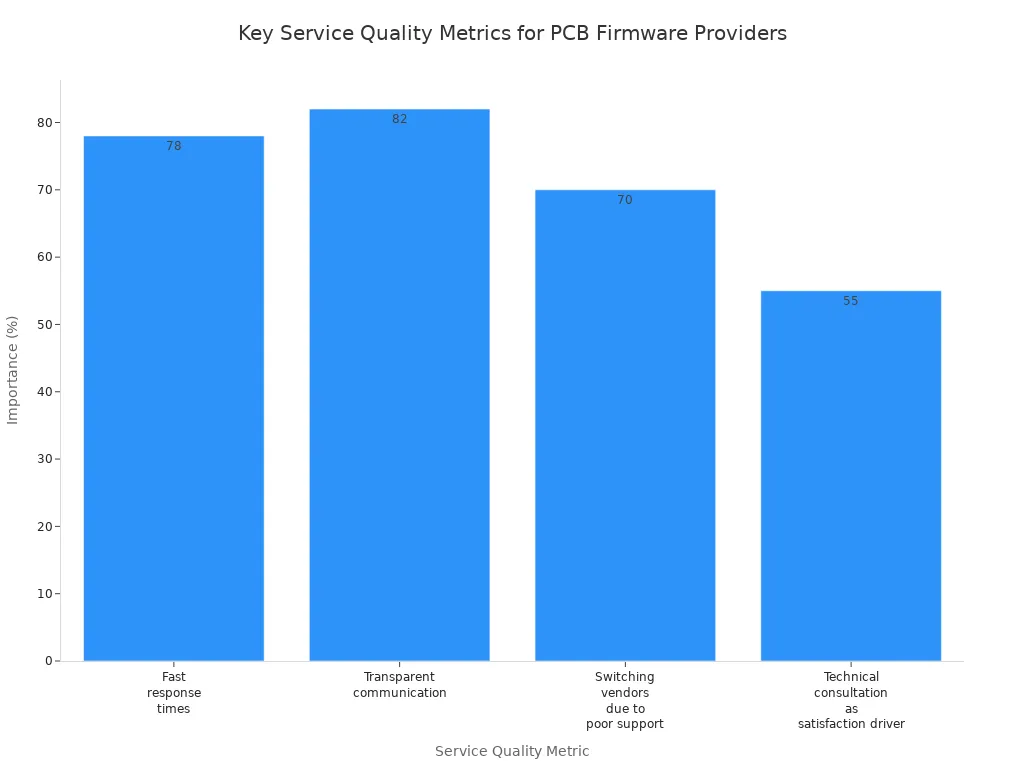 Benlida stands out for secure and accurate programming. Assess your project’s needs and use these tips to choose a reliable partner for your next PCB project.
FAQ
What is PCB firmware flashing?
PCB firmware flashing means loading software onto a microcontroller or chip on a printed circuit board. This process allows the hardware to perform specific tasks as designed.
Which files do I need to provide for firmware flashing?
You usually need to send the compiled firmware file (such as .hex or .bin) and clear instructions. Some providers may also request a readme or configuration details.
How long does the firmware flashing process take?
Turnaround time depends on the provider and order size. Many services offer same-day or next-day flashing for small batches. Larger orders may take several days.
Can I update firmware after the initial flashing?
Yes! Many PCBs support re-flashing. You can update or fix bugs by sending new firmware to the provider or using in-system programming tools.
What should I check if my flashed PCB does not work?
●Verify correct firmware version.
●Inspect for bent pins or poor solder joints.
●Confirm all connectors are secure.
●Contact your provider for troubleshooting support.
About the author:

Sonic Yang
As a major in Electronics and Mechanical Automation, Sonic has been engaged in PCB design, R&D, and manufacturing of electronics for around 22 years, as the engineering director, and coordinates with the supply chain(components and CNC parts), providing professional support and consulting for global customers.

 en
en


 WhatsApp