Flexible PCB for medical devices stands at the core of modern healthcare innovation. These circuits offer flexibility, miniaturization, reliability, and adaptability, making them vital in advancing medical technology. Flexible PCBs address critical challenges in medical device design, such as material selection for durability, compact layouts, and the need to conform to complex shapes. They help reduce wiring complexity and improve reliability under mechanical stress. Their unique properties allow medical devices to become smaller, more comfortable, and highly effective for both patients and clinicians.
Benefits of Flexible PCBs for Medical Devices
Flexibility and Adaptability
Conforming to Complex Shapes
Flexibility stands as a defining feature of a flexible PCB for medical devices. Medical devices often require circuits that can bend, twist, or fold to fit into compact or irregular spaces. Flex PCBs conform to the contours of the human body, making them ideal for wearable health monitors and implantable devices. This adaptability allows engineers to design products that fit seamlessly into clinical environments and patient lifestyles.
●Wearable health monitors use flex PCBs to wrap around wrists or chests, ensuring accurate readings and enhanced comfort.
●Implantable devices, such as pacemakers, rely on flexible PCBs to maintain reliability inside the body.
●Diagnostic imaging systems benefit from reduced size and weight, which improves maneuverability for healthcare professionals.
●Surgical instruments incorporate flexible printed circuit board technology to achieve miniaturized, precise components.
●Hearing aids use flex PCBs to support complex circuits in a compact, biocompatible package.
Shenzhen Benlida Circuit demonstrates expertise in manufacturing high-end flex PCBs for medical applications, enabling innovative solutions that address the unique challenges of modern healthcare.
Enhancing Comfort and Usability
Flexibility in medical devices directly impacts patient comfort and usability. Flex PCBs allow devices to maintain close contact with the skin or internal tissues without causing irritation or discomfort. This feature proves essential for long-term wearables and implantable solutions. Portable medical devices also benefit from this adaptability, ensuring dependable operation in dynamic environments. The result is a new generation of medical devices that prioritize both function and patient experience.
Miniaturization and Lightweight
Smaller, Less Invasive Devices
Miniaturization has transformed the landscape of medical technology. Flexible PCBs enable engineers to design smaller, less invasive devices without sacrificing performance or reliability. These circuits support higher circuit density through multilayer and rigid-flex hybrid designs, reducing overall size and weight. Devices that mimic human tissue mechanics become possible, enhancing biocompatibility and minimizing immune response—crucial factors for long-term medical use.
●Flexible PCBs facilitate discreet and comfortable health monitoring solutions.
●FR4-polyimide rigid-flex PCBs combine stability and flexibility, making them suitable for dynamic implants and wearables.
●The demand for smaller, less invasive medical devices drives innovation in the medical PCB industry, with specialized PCBs using HDI technology for advanced, energy-efficient solutions.
Portable and Wearable Solutions
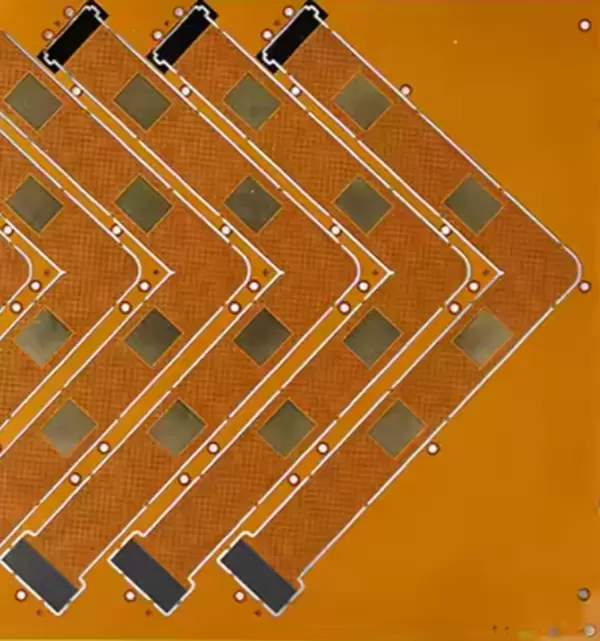
Weight reduction plays a significant role in the development of portable and wearable medical devices. Flexible PCBs can reduce device weight by up to 75% and save up to 90% of space compared to traditional wiring harnesses.
| Aspect | Quantified Benefit / Description | Examples / Notes |
|---|
| Space and Weight Savings | Up to 75% weight reduction and 90% space reduction compared to traditional wiring harnesses | Applied in wearables, aerospace, and drones |
This advantage allows for the creation of lightweight, comfortable devices that patients can wear or carry throughout their daily routines. Healthcare providers benefit from easier device handling and improved patient compliance.
Reliability and Durability
Surviving Flex Cycles
Reliability remains a top priority in medical device design. Flex PCBs excel in environments where repeated bending or movement occurs. A flex PCB with reinforced copper traces can endure up to 200,000 bend cycles before failure, while standard electrodeposited copper PCBs typically withstand only 50,000 cycles. Reinforcing high-stress areas can further boost durability by 20-30%. This resilience ensures that medical devices maintain consistent performance over extended periods.
Long-Term Performance
Medical devices must operate flawlessly in demanding conditions. Flex PCBs offer both mechanical and electrical reliability, reducing potential points of failure by eliminating connectors and supporting high-speed signal applications. The following table highlights key reliability metrics:
| Metric | Description |
|---|
| Mechanical Reliability | Rigid-flex PCBs reduce failure points by eliminating connectors. |
| Electrical Reliability | Flex PCB materials support high-speed signals with uniform properties. |
| Performance Testing | Devices undergo rigorous testing to validate reliability in harsh conditions. |
Shenzhen Benlida Circuit specializes in high-multilayer and special process PCBs, ensuring that medical devices meet strict reliability standards and deliver long-term performance in healthcare environments.
Simplified Assembly
Fewer Connection Points
Simplified assembly stands as a major advantage when using flex PCBs in medical devices. Traditional circuit designs often require multiple cables and connectors to link different parts of a device. Each connector or soldered joint adds complexity and increases the risk of failure. Flex PCBs connect multiple rigid sections with flexible layers, which reduces the need for extra cables and connectors. This design choice streamlines the assembly process and helps manufacturers save time during production.
- Flex PCBs eliminate bulky connectors, making devices lighter and more compact.
- Fewer connection points mean fewer potential mechanical and electrical failures.
- The assembly process becomes more efficient, which is crucial for rapid prototyping and small-batch manufacturing.
Shenzhen Benlida Circuit leverages these benefits by offering advanced rigid-flex solutions for medical applications. Their expertise ensures that medical device manufacturers can achieve fast delivery without sacrificing quality.
Reduced Interconnect Defects
Flex PCBs also play a key role in minimizing interconnect defects during medical device production. Every connector or soldered joint in a traditional assembly represents a possible point of failure. By reducing the number of interconnects, flex PCBs enhance overall system reliability. This improvement is especially important for medical wearables and implantable devices, where failures can have serious consequences for patient safety.
- The elimination of connectors in rigid-flex PCBs reduces potential points of failure.
- Improved reliability leads to fewer interconnect defects during production and use.
- Flex PCBs enable the creation of smaller, more efficient medical electronics, which further streamlines the assembly process.
Medical device manufacturers rely on flex PCBs to deliver consistent performance in demanding environments. Shenzhen Benlida Circuit’s experience with high-multilayer and special process PCBs supports the production of reliable, defect-free medical devices.

Applications of Flex PCBs in Medical Devices
Wearable Health Devices
Fitness Trackers
Fitness trackers have become a staple in personal health management. Engineers use flex PCBs to create devices that wrap comfortably around the wrist or arm. These circuits support miniaturization, making fitness trackers lightweight and unobtrusive. The flexibility of flex PCBs allows the device to expand and contract with movement, ensuring accurate readings. Wearable health monitors rely on flex PCBs for consistent performance, as fewer connection points reduce the risk of electronic failure. The reliability of these circuits enables continuous monitoring of heart rate, steps, and sleep patterns.
Continuous Glucose Monitors
Continuous glucose monitors provide real-time blood sugar readings for individuals with diabetes. Designers use flex PCBs to achieve a slim profile that sits comfortably against the skin. The extraordinary bending ability of flex PCBs allows these medical devices to maintain close contact, which is essential for reliable sensor readings. The circuits minimize potential failure points, supporting long-term use and durability. Continuous glucose monitors benefit from the reliability and adaptability of flex PCBs, enabling advanced health monitoring without sacrificing comfort.
Implantable Devices
Pacemakers
Pacemakers represent a critical advancement in cardiac care. Flex PCBs play a central role in the miniaturization of implantable devices. Engineers mold these circuits to fit compact spaces within pacemakers, conserving space and maintaining low impedance levels. This design flexibility ensures effective power delivery and supports biocompatible materials, which are vital for safe implantation. The reliability of flex PCBs allows pacemakers to operate consistently over many years, providing life-saving support for patients.
Neurostimulators
Neurostimulators help manage chronic pain and neurological disorders. Designers use flex PCBs to create implantable devices that fit precisely within the body. The circuits enable complex signal transmission while maintaining durability and reliability. Flex PCBs support biocompatible materials, reducing the risk of an immune response. These devices rely on the adaptability and reliability of flex PCBs to deliver targeted therapy and improve patient outcomes.
Diagnostic Equipment
Ultrasound Probes
Ultrasound probes require advanced electronics to capture high-resolution images. Flex PCBs enable miniaturization and flexibility, allowing probes to fit into tight spaces and move freely during diagnostics. The circuits improve signal integrity and durability, supporting accurate imaging in medical diagnostics. Engineers depend on flex PCBs to enhance portability and diagnostic accuracy, making ultrasound probes more effective in clinical settings.
Endoscopic Tools
Endoscopic tools allow minimally invasive procedures with precise control. Flex PCBs provide the flexibility needed for these devices to navigate complex anatomical pathways. The circuits support high-resolution imaging sensors, improving the effectiveness of medical diagnostics. Endoscopes benefit from the reliability and adaptability of flex PCBs, enabling safer and more efficient procedures.
| Device Type | Examples |
|---|
| Implantable Medical Electronics | Pacemakers, defibrillators, neural implants |
| Medical Imaging and Diagnostics | MRI machines, CT scan machines, X-ray sensors |
| Minimally Invasive Surgical Tools | Endoscopes, laparoscopic tools |
| Smart Prosthetics and Assistive Devices | Robotic prosthetics, AI-powered exoskeletons |
Flex PCBs have transformed medical devices by enabling miniaturization, enhancing reliability, and supporting advanced diagnostics. Their adaptability and biocompatible properties make them indispensable in modern healthcare.
Portable Medical Devices
Portable medical devices have become essential tools in modern healthcare. These devices allow patients and healthcare professionals to monitor health conditions outside traditional clinical settings. Flex PCBs play a critical role in making these devices smaller, lighter, and more reliable. Their unique properties support the development of advanced medical technology that can travel with the patient.
Blood Pressure Monitors
Blood pressure monitors help millions of people manage hypertension and other cardiovascular conditions. Designers use flex PCBs to create compact and lightweight monitors that patients can use at home or on the go. The flexibility of these circuits allows the device to fit into small, ergonomic enclosures. This design improves comfort and makes the device easier to handle.
Flex PCBs also enhance the reliability of blood pressure monitors. They reduce the number of connection points, which lowers the risk of electrical failure. The circuits can withstand repeated bending and movement, which is important for devices that see daily use. Many modern blood pressure monitors now include wireless connectivity. Flex PCBs support the integration of antennas and communication modules, enabling real-time data sharing with healthcare providers.
Portable ECG/EKG
Portable ECG and EKG devices allow patients and doctors to track heart activity outside the hospital. These medical devices rely on flex PCBs to achieve a slim profile and lightweight design. The circuits can bend and flex, which lets the device conform to the body or fit into wearable patches.
Flex PCBs support the integration of multiple sensors and signal processing components in a single, compact unit. This capability improves the accuracy of heart monitoring and enables continuous data collection. The durability of flex PCBs ensures that portable ECG/EKG devices remain reliable, even when subjected to movement or vibration.
Healthcare professionals benefit from the portability and ease of use of these devices. Patients can carry them throughout the day, which leads to better monitoring and faster response to health changes. Flex PCBs make it possible to combine advanced features, such as Bluetooth connectivity and rechargeable batteries, in a small package.
●Flex PCBs enable real-time heart monitoring for patients at home.
●The circuits support advanced features like wireless data transfer and long battery life.
●Portable ECG/EKG devices improve patient outcomes by providing timely health information.
Flex PCBs have transformed portable medical devices by making them more accessible, reliable, and user-friendly. Their adaptability and performance continue to drive innovation in the medical field.
Design Challenges Solved by Flexible PCBs
Space Constraints
Maximizing Functionality
Medical device designers often face strict space limitations. Flex PCBs address these challenges by allowing engineers to maximize functionality in compact spaces. They use advanced CAD tools and multi-layer approaches to fit more features into smaller devices. Surface mount technology and flexible vias help reduce complex wiring, making the internal layout more efficient. Engineers also use 3D modeling to shape flex PCBs for unique device contours, ensuring a perfect fit.
| Design Challenge | Solution |
|---|
| Compact Design Challenge | Multi-layer approaches and precise CAD tools optimize space and avoid interference. |
| Reducing Complex Wiring | Surface mount technology and flexible vias streamline wiring. |
| Conforming to Unique Shapes | 3D modeling visualizes fitment and optimizes the flex pcb shape for attachment. |
| High-density Capabilities | Flex HDI boards allow dense component placement and versatile routing. |
Multi-Layer Designs
Multi-layer flex PCBs play a key role in increasing device functionality. These designs enable engineers to integrate more components without increasing size. High-density technology allows for compact layouts, which is essential for minimally invasive medical devices. Dedicated power and ground planes in multi-layer flex PCBs improve reliability by reducing noise and electromagnetic interference.
| Benefit | Explanation |
|---|
| Enhanced Precision | Optimized signal routing ensures sub-millimeter accuracy in robotic movements. |
| Compact Design | High-density PCB technology integrates more components in a smaller space. |
| Improved Reliability | Power and ground planes reduce noise and EMI for consistent performance. |
Device Longevity
Resistance to Flexing
Flex PCBs extend the operational life of medical devices. They eliminate common failure points such as connectors and solder joints, which often cause mechanical issues. These circuits can endure many bend cycles, making them ideal for devices with moving parts. Continuous conductors in flex PCBs minimize signal loss, which enhances performance in sensitive medical equipment.
●Flex PCBs remove connectors and solder joints, increasing mechanical stability.
●They withstand repeated bending, which extends device lifespan.
●Continuous conductors improve signal quality.
Minimizing Failure Points
Reliability is essential in medical wearables and implants. Flex PCBs address environmental, mechanical, and electrical challenges. Their durability reduces the risk of failure in critical applications. The ability to conform to complex shapes means fewer connectors and solder joints, which are common failure points in traditional designs.
●Flex PCBs enhance durability for high-reliability applications.
●They provide better signal integrity, reducing failure risk.
●Fewer connectors and joints mean fewer points of failure.
Assembly and Integration
Streamlined Manufacturing
Flex PCBs simplify the manufacturing process. Integrated rigid-flex boards reduce labor and assembly errors. This streamlined approach saves time and lowers the risk of mistakes during production. Improved signal integrity from continuous conductors also boosts performance in diagnostic tools.
| Efficiency Type | Description |
|---|
| Improved Signal Integrity | Continuous conductors minimize signal loss in diagnostic tools. |
| Streamlined Assembly | Integrated rigid-flex boards simplify assembly, reducing labor and errors. |
Fewer Assembly Errors
Manufacturers see fewer assembly errors when using flex PCBs. A single, integrated rigid-flex board reduces the number of steps in final assembly. This approach eliminates bulky connectors and soldered joints, which often cause problems in high-vibration environments. Although initial costs may be higher, overall production costs decrease due to fewer assembly steps and lower defect rates.
| Benefit | Description |
|---|
| Simplified Assembly | Integrated boards reduce labor and potential errors. |
| Fewer Failure Points | Eliminating connectors and joints improves reliability in high-stress environments. |
| Lower Production Costs | Fewer assembly steps and defects reduce overall costs. |
Flexibility, reliability, and advanced design features make flex PCBs the preferred choice for solving complex challenges in medical device engineering.
Enhancing Patient Outcomes with Flexible PCBs
Comfort and Wearability
Flexible Materials for Skin Contact
Flexible PCBs use materials that bend and move with the body. This property allows medical devices to rest gently on the skin or fit under clothing without causing discomfort. Many wearable devices, such as flexible ECG sensors, use these circuits to conform closely to the skin. This design provides high-quality heart rate and rhythm monitoring. Patients experience less irritation compared to rigid electrodes. Flexible PCBs also support the integration of pulse oximeters and arterial stiffness monitors into soft, skin-friendly platforms. These devices can track vital signs continuously, making them suitable for home-based or ambulatory care.
- Flexible ECG sensors conform to the skin for high-fidelity monitoring.
- Devices with flexible PCBs offer improved comfort and longer wearability.
- Pulse oximeters and arterial stiffness monitors use flexible platforms for continuous tracking.
Lightweight for Extended Use
Medical devices with flexible PCBs weigh less than those with traditional rigid boards. This reduction in weight makes devices easier to wear for long periods. Patients can move freely without feeling burdened by heavy equipment. Lightweight designs also help children and elderly patients, who may struggle with bulky devices. The combination of flexibility and low weight supports better patient compliance and overall satisfaction.
| Feature | Benefit for Patients |
|---|
| Lightweight | Easier to wear all day |
| Flexible shape | Less irritation on the skin |
| Small size | Discreet and comfortable fit |
Advanced Therapies and Monitoring
Real-Time Data Collection
Flexible PCBs play a key role in advanced therapies by enabling real-time data collection. These circuits allow sensors to gather information about the body’s condition every second. For example, smart bandages use flexible PCBs to monitor wound healing. They can detect moisture levels or signs of infection without disturbing the healing process. The ability to collect data in real time helps doctors make quick decisions and adjust treatments as needed.
- Flexible PCBs enable precise, real-time monitoring for advanced therapies.
- Smart bandages track wound healing by detecting moisture or infection markers.
- Devices conform to the skin, ensuring comfort and effective monitoring.
Personalized Solutions
Flexible PCBs support the development of personalized medical solutions. Engineers can design devices that fit each patient’s unique needs. Implantable devices, such as pacemakers and neurostimulators, use flexible PCBs to save space and ensure reliable operation inside the body. These circuits allow for custom shapes and sizes, which means devices can match the patient’s anatomy. Personalized solutions lead to better outcomes and higher satisfaction.
Flexible PCBs continue to transform patient care by making medical devices more comfortable, wearable, and responsive to individual needs. Their unique properties support the future of advanced therapies and real-time health monitoring.
Integration with Advanced Medical Technologies
Flexible PCBs have become a cornerstone in the evolution of medical devices, especially as healthcare moves toward smarter, more connected solutions. Their unique properties allow seamless integration with IoT and miniaturized sensors, supporting the development of devices that improve patient care and streamline diagnostics.
IoT and Smart Devices
Medical devices increasingly rely on IoT technology to collect, transmit, and analyze health data. Flexible PCBs enable these devices to remain compact, lightweight, and reliable, making them ideal for wearable and implantable applications.
Wireless Modules
Wireless modules form the backbone of IoT-enabled medical devices. Flexible PCBs support the integration of antennas and communication chips within tight spaces. Devices such as heart rate monitors and hearing aids benefit from reduced size and improved comfort. The table below highlights the main advantages of integrating flexible PCBs with IoT and smart medical devices:
| Advantage | Description |
|---|
| Space Efficiency | Flexible PCBs can reduce the overall size of devices by up to 50%, fitting into tight spaces. |
| Lightweight Design | They contribute to lighter devices, enhancing patient comfort, e.g., a heart rate monitor can weigh as little as 10 grams. |
| Durability | Designed to endure mechanical stress, essential for devices like hearing aids. |
| Biocompatibility | Materials used are compatible with the human body, minimizing adverse reactions in implants. |
Flexible hybrid electronics combine the benefits of flexible circuits with advanced wireless capabilities, allowing medical devices to transmit data efficiently without sacrificing durability.
Data Transmission
Data transmission is critical for real-time health monitoring. Flexible PCBs allow devices to send information wirelessly to healthcare providers. This capability supports continuous monitoring and rapid response to changes in patient health. Devices with flexible PCBs maintain stable connections, even when subjected to movement or vibration. Patients experience improved outcomes because doctors receive timely data for decision-making.
Miniaturized Sensors
Miniaturized sensors built on flexible PCBs have revolutionized medical diagnostics. These sensors fit into small, wearable devices and provide essential health information.
Microfluidics
Microfluidic sensors use flexible PCBs to monitor biological fluids. They track glucose levels, hydration, and other vital signs. Devices such as continuous glucose monitors rely on flexible circuits to maintain close contact with the skin, ensuring accurate readings. These sensors transmit data wirelessly, enabling real-time monitoring without disrupting daily activities.
●Wearable health devices like smartwatches track heart rate and oxygen levels.
●Continuous glucose monitoring devices provide essential data for managing health.
Biosensors
Biosensors detect markers of infection, inflammation, or other health conditions. Flexible PCBs enable the creation of smart bandages that monitor wound healing by detecting moisture levels and infection markers. These sensors adapt to the human body, enhancing patient comfort and enabling continuous health monitoring.
●Flexible PCBs enable smart bandages to monitor wound healing.
●Sensors transmit data wirelessly, allowing for real-time monitoring.
Flexible PCBs are integral to the development of smaller, more efficient medical devices that can adapt to the human body. This integration enhances patient comfort and enables continuous health monitoring.
Safety and Compliance in Medical Devices
Medical Standards
FDA and ISO Compliance
Medical devices must meet strict standards to ensure safety and effectiveness. The Food and Drug Administration (FDA) and the International Organization for Standardization (ISO) set guidelines for the design and production of these devices. Manufacturers follow these standards to guarantee that medical devices perform as intended in healthcare settings. Flexible PCBs play a key role in helping companies meet these requirements. They support precise assembly and consistent quality, which are essential for regulatory approval.
A table below shows important standards for medical devices:
| Standard | Purpose | Example Application |
|---|
| FDA 21 CFR 820 | Quality system regulation | All medical device production |
| ISO 13485 | Quality management for medical devices | Design and manufacturing |
| ISO 10993 | Biocompatibility testing | Implantable devices |
Quality Assurance
Quality assurance ensures that every medical device meets high standards before reaching patients. Manufacturers use advanced inspection tools to check flexible PCBs for defects. Automated optical inspection and electrical testing help identify issues early. This process reduces the risk of failure in the field. Companies like Shenzhen Benlida Circuit use strict quality control systems to deliver reliable products for medical applications. These efforts help maintain trust in healthcare technology.
Patient Safety
Material Testing
Patient safety depends on the use of safe and biocompatible materials in medical devices. Flexible PCBs undergo rigorous material testing to confirm they do not cause allergic reactions or other health problems. Engineers test for chemical stability, durability, and compatibility with the human body. This process ensures that devices can remain in contact with skin or tissue without causing harm. For example, smart bandages use flexible PCBs that conform to the skin and do not interfere with healing. These bandages monitor wound healing by detecting moisture levels or infection markers.
●Flexible PCBs enable real-time data collection for medical sensors.
●Smart bandages use flexible PCBs to track healing and detect infections.
●The flexibility allows the bandage to fit the skin closely and safely.
Risk Management
Risk management is a critical part of medical device development. Teams identify possible hazards and create strategies to reduce them. Flexible PCBs help lower risks by minimizing connection points and improving reliability. Fewer connectors mean fewer chances for failure. Engineers also design devices to withstand repeated use and harsh conditions. Regular testing and careful design protect patients from unexpected problems. In diagnostics, reliable, flexible PCBs ensure accurate results, which support better treatment decisions.
Flexible PCBs support the safety and compliance of medical devices by meeting strict standards, using biocompatible materials, and enabling advanced patient monitoring. These efforts protect patients and strengthen trust in modern healthcare.
Future Trends in Flexible PCBs for Medical Devices
New Materials and Processes
Stretchable and Biodegradable PCBs
Researchers continue to develop new materials for flexible PCBs that support the next generation of medical devices. Recent breakthroughs include fully bioresorbable pacemakers. These devices use materials that safely break down into non-toxic byproducts after their job is done, often within a year. This innovation marks a shift toward sustainable solutions in cardiac care. Biodegradable and recyclable substrates, such as bio-based polymers from cellulose or PLA, are also gaining attention. These materials offer eco-friendly options for medical applications and help reduce environmental impact.
●Biodegradable and recyclable substrates
●Lead-free and non-toxic finishes
●Reducing material waste through nested designs and thinner copper layers
These advances make medical devices safer for patients and the environment.
3D Printing
3D printing is transforming how engineers design and manufacture flexible PCBs. This process allows for rapid prototyping and the creation of complex shapes that fit the human body. Engineers can print circuits with precise dimensions, which supports the miniaturization of medical devices. 3D printing also reduces material waste and speeds up the development of custom solutions for unique medical needs.
Next-Gen Medical Technologies
AI Integration
Flexible PCBs are opening new possibilities for artificial intelligence in medical devices. These circuits support advanced sensor integration and flexible hybrid electronics. Devices can now collect and process data in real time, which improves diagnostics and patient monitoring. AI-powered systems use flexible PCBs to analyze signals quickly and accurately. This technology helps doctors make better decisions and provides more personalized care.
Advanced Wearables and Implants
The future of medical technology relies on advanced wearables and implants. Flexible PCBs allow these devices to conform to the human body, improving comfort and usability. Miniaturization, stretchable and foldable circuits, and biocompatible materials are driving innovation in this field. Devices such as smart bandages, continuous glucose monitors, and next-generation prosthetics benefit from these advancements. Multi-modal sensors and low-latency analog-to-digital converters will make prosthetics feel more natural and responsive.
| Emerging Technology | Flexible PCB Contribution |
|---|
| Smart Prosthetics | Sensory feedback and AI integration |
| Wearable Health Monitors | Miniaturization and comfort |
| Implantable Devices | Biocompatibility and durability |
| Advanced Diagnostics | Real-time data and sensor integration |
Flexible PCBs will continue to shape the future of medical devices by supporting new materials, smarter systems, and more personalized healthcare.
Flexible PCB for medical devices continues to drive innovation in the medical field. These circuits make medical devices smaller, lighter, and more adaptable. Flexible PCB for medical devices supports advanced therapies and wearable solutions. Key advantages include:
●They enable smaller and more efficient devices.
●They provide bendability and adaptability for complex designs.
●Their compact nature allows use where rigid boards are impractical.
●They enhance the functionality and portability of medical equipment.
Ongoing research in materials and processes will shape the future of medical technology. Flexible PCBs will remain a foundation for next-generation medical devices.
About the author:

Sonic Yang
As a major in Electronics and Mechanical Automation, Sonic has been engaged in PCB design, R&D, and manufacturing of electronics for around 22 years, as the engineering director, and coordinates with the supply chain(components and CNC parts), providing professional support and consulting for global customers.

 en
en


 WhatsApp